100 Monster Escape Room: Puzzle Logic Under Pressure
What Kind of Game Is This?
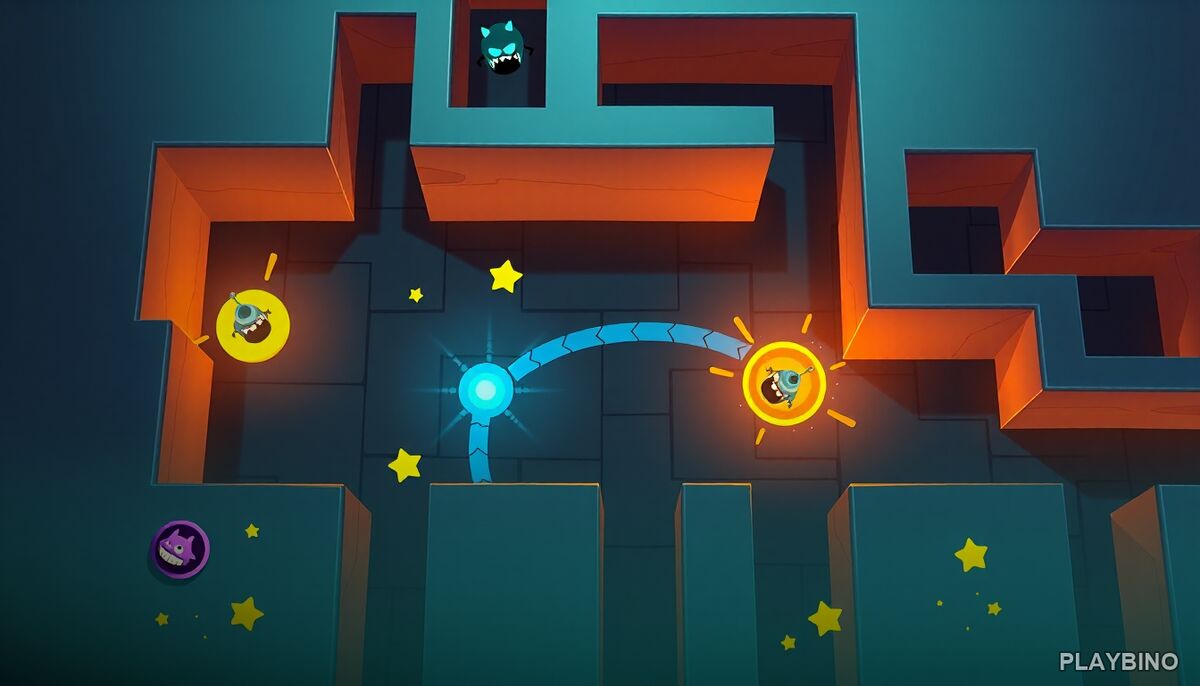
Escape room games live or die on their puzzle design, and 100 Monster Escape Room leans hard into that tension. The premise is straightforward: you are trapped inside a maze of chambers, each one locked behind a logic puzzle or hidden-object challenge. What separates this from a standard puzzle game is the constant presence of monsters roaming the corridors. That lurking threat keeps the atmosphere tense even when you are sitting still, scanning a room for clues.
The game blends observation, pattern recognition, and logical deduction across a series of increasingly complex rooms. Play it directly in your browser and you will notice quickly that the challenge is not about speed — it is about noticing what others might overlook.
Room Structure and Puzzle Logic
Each chamber functions as a self-contained puzzle. You examine the environment, collect items, and connect clues to unlock the exit. Some rooms rely on number sequences or symbol patterns. Others ask you to match environmental details — a color on the wall, an object out of place, a shadow that does not fit. The variety prevents the gameplay from feeling repetitive even as the difficulty climbs.
Observation First
Before touching anything, take a full look at the room. Many puzzles hide their key detail in a corner or behind an object. Rushing to interact with the most obvious element often leads to dead ends. The game rewards players who slow down and treat each room like a scene to be read rather than a problem to be forced open.
Item Combinations
Collected items rarely work in isolation. Expect to combine two or three objects before finding a usable tool. This layered approach to inventory puzzles adds depth without overwhelming the player. When a combination clicks, the logic behind it usually feels satisfying rather than arbitrary.
The Monster Element
The creatures in the game are not just decoration. They add a layer of psychological pressure that changes how you approach each room. Even when a monster is not directly blocking your path, its presence in the corridor shifts your focus. The tension is less about reaction time and more about the mental weight of knowing something is watching while you try to think clearly. It is an effective design choice that makes the puzzle-solving feel higher stakes than a standard logic game.
Who Will Enjoy This
If you like escape room logic puzzles and enjoy a horror-adjacent atmosphere, this game hits a specific niche well. The monster theme is not gratuitously scary, but it does create a mood that straight puzzle games lack. Players who enjoy methodical thinking, environmental storytelling, and the satisfaction of cracking a well-designed riddle will find a lot to work through here.
Spooky Cat Escape covers similar territory with a different visual style and puzzle approach — that one is worth a look if you want another atmospheric puzzle experience after finishing this.
Tips for Getting Through the Harder Rooms
- Examine every corner before interacting with anything.
- Write down or mentally note number sequences — they often reappear later.
- If a puzzle seems unsolvable, check whether you missed a collectible item.
- Symbol-based puzzles usually have a key somewhere in the same room.
- Do not ignore background details like wall markings or floor patterns.
Atmosphere and Replay Value
100 Monster Escape Room builds its tension through environment rather than jump scares. The visual design of each chamber reinforces the sense of being trapped, and the monster designs add to the oppressive mood without dominating the screen. The puzzle variety across 100 rooms gives the game genuine staying power. PlayBino hosts the full version, so there is no download required — just load the game and start working through the chambers at your own pace.