2048 3D Game: Merge, Race, and Survive the Track
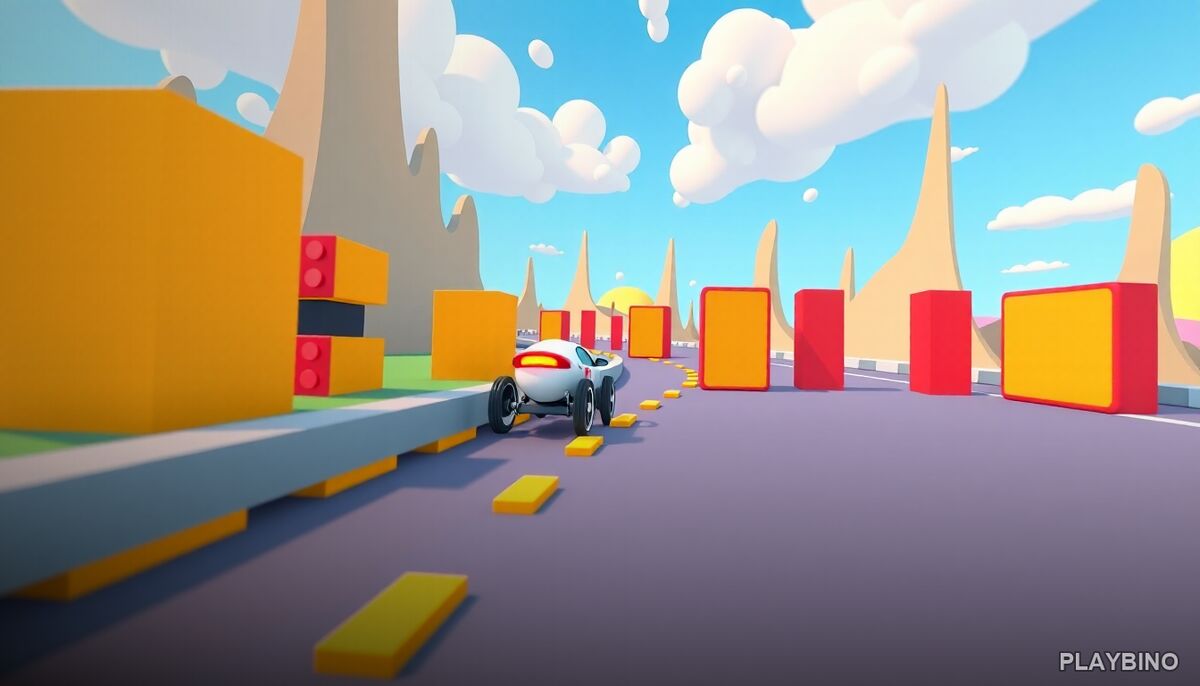
What Kind of Game Is This?
Most merge puzzles let you think at your own pace. 2048 3D Game removes that comfort entirely. Your numbered ball rolls forward on its own, the track keeps moving, and every decision you make happens in real time. It's a puzzle game wearing an endless runner's shoes — and that combination creates a tension that neither genre produces alone. You can try the full run in your browser without any download or setup.
The Core Mechanic: Merging While Moving
The logic behind the numbers is familiar to anyone who has played a 2048-style puzzle. Same values combine into a higher one. Two 2s become a 4, two 4s become an 8, and so on. The difference here is that you're not tapping a grid — you're steering a ball down a lane-based 3D track, choosing which numbered balls to collide with and which to avoid.
Matching numbers is the goal. But the track also throws obstacles into the mix. Hit the wrong object and your ball shrinks. A smaller ball means lower numbers, weaker merges, and a score that stalls out fast. The game doesn't pause to let you regroup.
Steering and Lane Control
Controls are simple — swipe or tap to shift lanes. The challenge isn't the input; it's the reading. You're constantly scanning a few steps ahead, deciding whether the merge opportunity in the left lane is worth the obstacle sitting just past it. That forward-reading habit is what separates a short run from a long one.
When Things Go Wrong
A bad sequence of collisions can deflate your ball quickly. Once the value drops, recovering takes time you don't have. The track doesn't slow down, and smaller balls tend to attract worse merge options. This feedback loop — where mistakes compound — is what keeps runs feeling urgent even in the early stages.
What Makes the Tension Build
The game starts manageable. Low numbers, clear lanes, easy merges. But as the run continues, the track gets busier. More obstacles appear, merge targets move faster through your field of view, and the gap between a good decision and a costly one narrows. The tension isn't manufactured through timers or countdowns — it comes from the track itself accelerating the consequences of every choice.
There's a quiet satisfaction when a long chain of correct merges pushes your number into the hundreds. Watching the value spike after a well-timed sequence feels genuinely rewarding, especially because you know one wrong lane shift could undo it.
Strategy That Actually Matters
- Prioritize same-number targets over chasing high-value balls you can't match yet.
- Avoid obstacles even at the cost of a merge — a smaller ball loses more than a missed number gains.
- Look two or three steps ahead, not just at the next ball in your lane.
- Stay patient in early stages — building a solid number early makes mid-run merges much easier.
- Accept some risk when your ball is large — the penalty for a single obstacle hit is proportionally smaller.
A Similar Puzzle Runner Worth Trying
If the merge-and-run format clicks for you, 2048 Cube Run takes a comparable approach with its own track design and cube-based mechanics. That game has its own set of decisions worth exploring, and comparing the two shows how differently the same number-merging idea can feel depending on pacing and obstacle layout.
Who This Game Suits
2048 3D Game works well for players who like puzzle logic but want something faster than a static grid. The endless runner structure means sessions can be short — a quick run, a better score, another attempt. There's no story, no unlocks to chase, just the number on your ball and how far the track will let you take it. PlayBino hosts it alongside a range of similar arcade and puzzle titles, so it fits naturally into a browser gaming session without demanding a long commitment.