Alex and Steve Adventures Saves: Cooperative Escape Guide
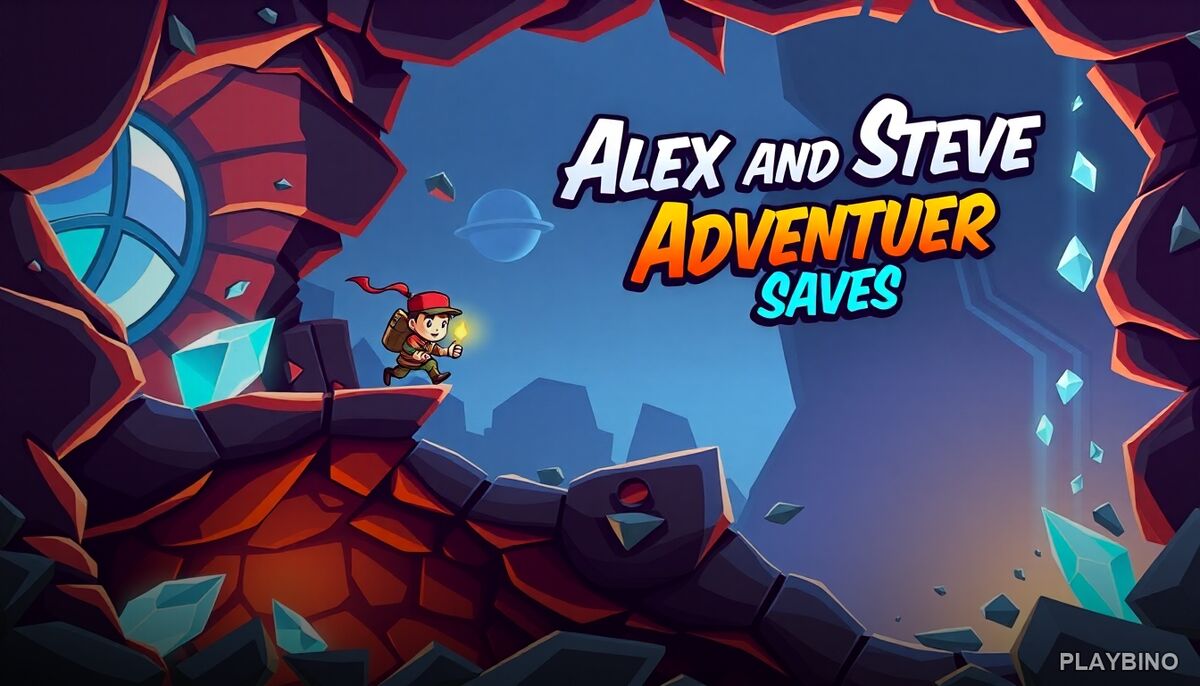
Prison Break Mechanics and the Setup
The premise is immediate and clear: Steve is free, Alex is locked up, and the only way forward is finding the right key. That opening moment sets the tone for everything that follows in this cooperative browser adventure. The blocky visual style keeps things approachable, but the challenge underneath is anything but simple. Once Alex is out of the cell, the real escape plan begins.
The game blends action and puzzle logic in a way that rewards patience. You are not just running through levels — you are reading the environment, spotting which character needs to move where, and planning a few steps ahead before committing to a jump or a route.
Switching Between Characters
The 2-player structure is one of the most interesting parts of the design. Each character has slightly different abilities, and many obstacles are built around that difference. Some platforms or pathways only make sense when you switch control and approach from the other side.
When to Swap
Knowing when to switch is a skill in itself. Certain sections block one character completely while leaving the other a clear path. Recognizing those cues quickly keeps momentum going and avoids the frustration of repeatedly hitting the same wall.
Solo vs. Two-Player
Playing with a second person adds a layer of real-time coordination that solo play cannot replicate. One player handles a hazard while the other collects a fragment or holds a trigger. Communication — even just calling out positions — changes how efficiently you move through each section.
Portal Fragments and Route Decisions
Scattered across the levels are glowing portal fragments, and collecting every one is required to build the teleportation gateway that completes the escape. This is where the game shifts from a simple platformer into something with more deliberate structure. You cannot just sprint to the exit — every fragment matters, and some are tucked behind hazards that demand precise timing.
- Fragments glow visibly, but reaching them often requires solving a small environmental puzzle first.
- Some paths are one-way, so fragment order can affect whether you need to backtrack.
- Hazards near fragments tend to be more aggressive than those on the main route.
- Splitting up to cover different areas simultaneously saves time in two-player mode.
The Mine Depths: Where Precision Counts
The later stages move into a mine environment where the difficulty increases noticeably. Environmental hazards become denser, timing windows tighten, and a single mistimed jump can send you back to a checkpoint. This section rewards players who have already internalized the character-switching rhythm from earlier levels.
The mine also introduces vertical platforming that punishes rushing. Slow, deliberate movement often clears sections faster than aggressive attempts because the hazard patterns have specific gaps that only open briefly.
Arcade Feel Within a Puzzle Structure
Despite the puzzle elements, the game always maintains an arcade energy. There is no slow inventory management or lengthy cutscene — just movement, timing, and quick decisions. That combination makes it easy to pick up for a short session without losing track of where you are in the escape plan.
Players who enjoy action-puzzle hybrids and cooperative platformers will find the format satisfying. The blocky world keeps the visuals clean, which actually helps with reading hazard positions and planning jumps accurately. Hardxel on PlayBino is another pixel-style challenge worth exploring — that browser game takes a different approach to precision platforming if you want something in a similar vein after finishing this one.
What the Game Demands From You
Success here comes down to three things: reading the level layout before moving, communicating or mentally tracking both characters at once, and staying calm when a hazard resets your position. The escape scenario keeps the stakes feeling real without ever becoming unfair. Each death teaches you something about the next attempt, and that loop is what keeps the action-puzzle format engaging across the full run.
"