Amaze Fruits: Spelling Puzzle Game for Quick Thinking
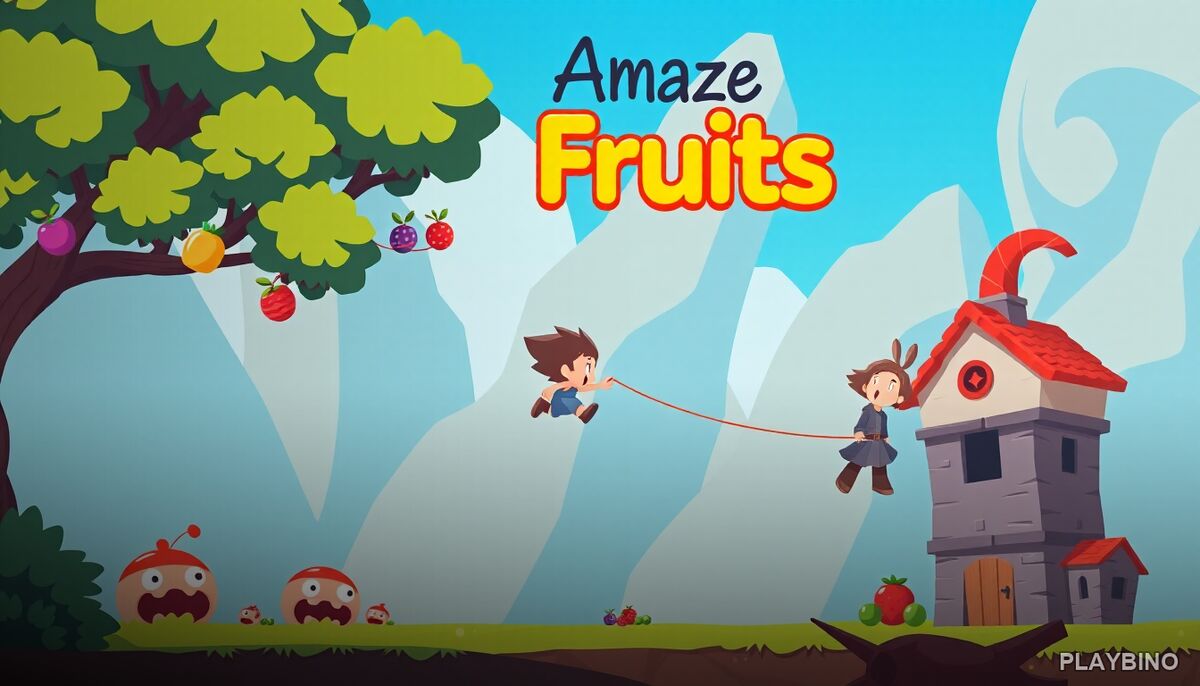
What Amaze Fruits Is About
Not every puzzle game needs complex mechanics to create real pressure. Amaze Fruits keeps its premise razor-thin: scattered letters appear on screen, a fruit name has blanks waiting to be filled, and a countdown starts immediately. The job is to drag the correct letters into the right positions before time expires. That's it — and yet the moment the timer kicks in, every hesitation costs you.
The fruit theme is deliberately cheerful. Bright colors, recognizable subjects, and clean visuals make this browser puzzle approachable for younger players without feeling condescending to adults playing casually. It sits comfortably in the brain and puzzle genre — low barrier to entry, but genuinely engaging once the clock starts squeezing.
How the Dragging Mechanic Works
Each round presents a partially hidden word with blank slots. The available letters are scattered around the scene, and the player drags them one at a time into the correct spaces. There's no keyboard input — it's purely touch or mouse-driven, which makes it well-suited for mobile browsers and quick desktop sessions alike.
Timing and Pressure
The timer is the real mechanic here. Without it, this would be a relaxed spelling exercise. With it, even a simple four-letter word like PLUM can trip up a player who second-guesses themselves. The pressure isn't punishing — it's calibrated to create urgency without frustration, especially in the earlier rounds where the words stay short and familiar.
Letter Placement Logic
Letters don't snap into random slots. Each blank corresponds to a specific position in the word, so players need to think about spelling order, not just letter recognition. For younger players, this reinforces sequencing skills. For casual players, it adds a small but satisfying layer of word logic on top of the speed challenge.
Who This Game Suits
Amaze Fruits works well across a wider age range than its visual style might suggest. Children learning to spell fruit names get a low-stakes, colorful environment with clear feedback. Adults looking for a light brain puzzle during a short break will find the countdown format surprisingly gripping after a few rounds. It doesn't demand long sessions — three to five rounds is enough to feel the rhythm, and it's easy to walk away and return without losing progress context.
Replay Value and Round Structure
Because each round resets cleanly, the game lends itself to short bursts of play. There's no long progression system to manage — the loop is tight: see the word, identify the letters, drag fast, finish before time. That simplicity is what makes it easy to replay. Missing a word doesn't feel punishing; it mostly makes you want to try again immediately.
- Colorful fruit-themed visuals keep the tone light
- Timed rounds add real urgency to simple spelling tasks
- Drag-and-drop controls work cleanly on both desktop and mobile
- Word difficulty scales across rounds to maintain challenge
- Short session length makes it easy to fit into any break
Puzzle Variety in the Fruit Genre
Fruit-themed puzzle games tend to cluster around match-3 or sorting mechanics, so a spelling-focused take stands out. Amaze Fruits leans into word recognition and letter sequencing rather than pattern matching, which gives it a different cognitive feel. Players who enjoy vocabulary or spelling challenges will find it more engaging than a standard fruit-sorting game. On PlayBino, it sits alongside other casual brain games that prioritize quick thinking over complex strategy.
Fruits Guess Game2D takes a different approach to fruit-based puzzles — that game's approach to fruit recognition focuses more on visual identification than spelling, making the two a natural pair for players who enjoy the theme from different angles.
Strategy That Actually Matters
Scan before dragging. The instinct is to grab the first letter you recognize, but taking one second to read the full blank structure saves time overall. Knowing where the word starts and ends before touching any letter prevents the common mistake of placing a correct letter in the wrong slot and losing time correcting it. With short words, this barely matters — but as word length increases, a quick mental outline of the full spelling pays off significantly.