Animal: Find The Differences – Spot Every Hidden Change
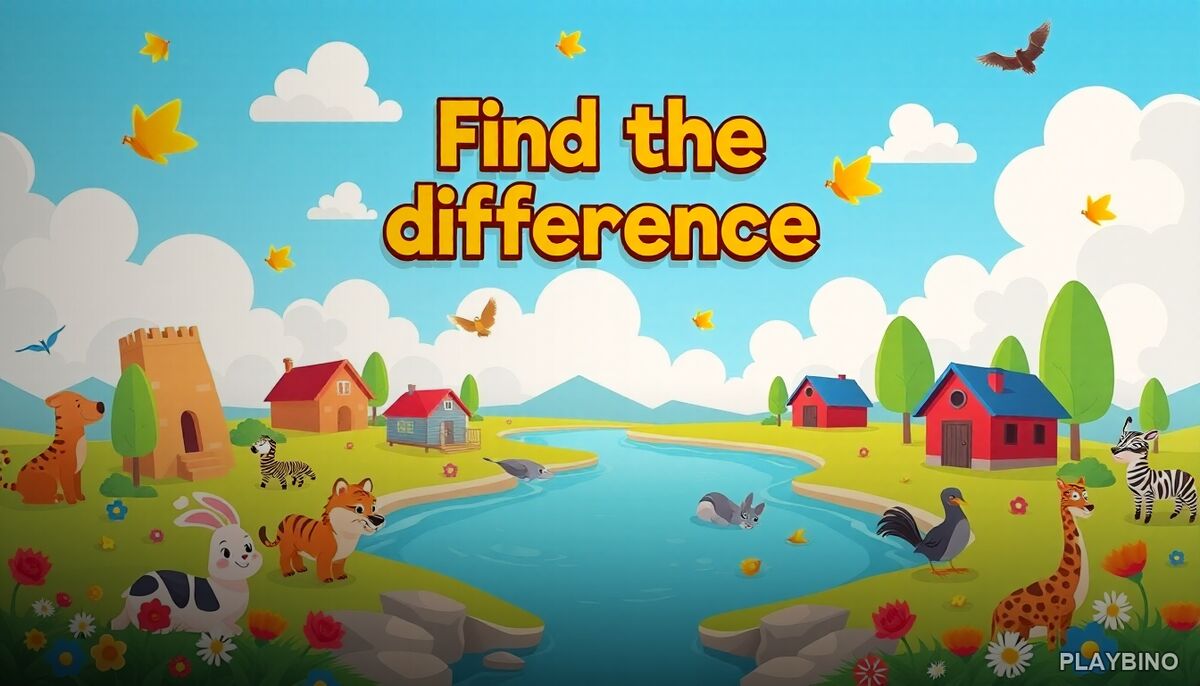
What the Game Asks of You
Two nearly identical animal photographs sit side by side. Somewhere between them, details have shifted — a color, a shadow, a background element, a texture that doesn't quite match. This browser puzzle builds its entire challenge around that gap between what you think you see and what's actually there. It's a memory and observation exercise wrapped in clean wildlife imagery, and the satisfaction of spotting a well-hidden difference is immediate.
How the Difficulty Scales
Early levels ease you in. Missing objects, obvious color swaps, and clearly repositioned animals make the first rounds accessible without feeling trivial. The game is designed so that even players unfamiliar with spot-the-difference formats can build confidence before things get harder.
Later stages shift the challenge significantly. Differences move into shadows, fur textures, coral reef patterns, and background foliage. These aren't the kind of changes you catch with a quick glance — they require methodical scanning, moving from one corner of the image to the other. The timer keeps pressure present throughout, but it's calibrated to allow careful observation rather than frantic clicking.
Where the Difficulty Hides
The trickiest differences tend to appear in:
- Texture variations on animal fur or scales
- Subtle shadow shifts beneath objects
- Small background details like plants, rocks, or water patterns
- Color saturation changes that are easy to miss in peripheral vision
Observation Strategy That Actually Works
Rushing through the image rarely pays off past the first few levels. A more reliable method is to divide each image into a mental grid and scan one section at a time. Starting from a corner and working horizontally tends to surface differences that a center-focused approach misses entirely.
Using the Timer Wisely
The countdown creates urgency, but panicking burns time faster than careful scanning does. Prioritizing high-detail areas — faces, foreground objects, and any element with strong contrast — usually uncovers the easier differences first, leaving more time for the subtle ones hiding in backgrounds.
The Animal Imagery
One thing that keeps the experience varied is the range of subjects. Jungle predators, domestic pets, ocean wildlife, birds, and reptiles all appear across the level set. Each new animal brings a different visual language — a lion's mane has very different texture patterns compared to a coral reef or a tabby cat's markings. That variety prevents the puzzle format from feeling repetitive even when the core mechanic stays consistent.
Who This Type of Puzzle Suits
The game works well for players who enjoy brain and memory challenges that don't require fast reflexes or complex controls. There's no combat, no resource management, and no progression system to track. The entire focus is visual attention. That makes it a good fit for short sessions — a few levels during a break, or a longer run when you want something mentally engaging without high stress.
Players who enjoy visual brain games might also find another observation-based challenge on PlayBino worth exploring — Which Game Is This tests visual recognition from a completely different angle.
Puzzle Design and Presentation
The interface stays minimal. No distracting menus, no cluttered UI elements competing with the images. The clean layout lets the photography do the work, and the wildlife subjects are presented with enough detail that differences can be genuinely subtle without feeling unfair. Each round feels self-contained, which makes the format easy to pick up and put down without losing progress context.
"