Animals Skin: Matching Fur Patterns and Building Animal Knowledge
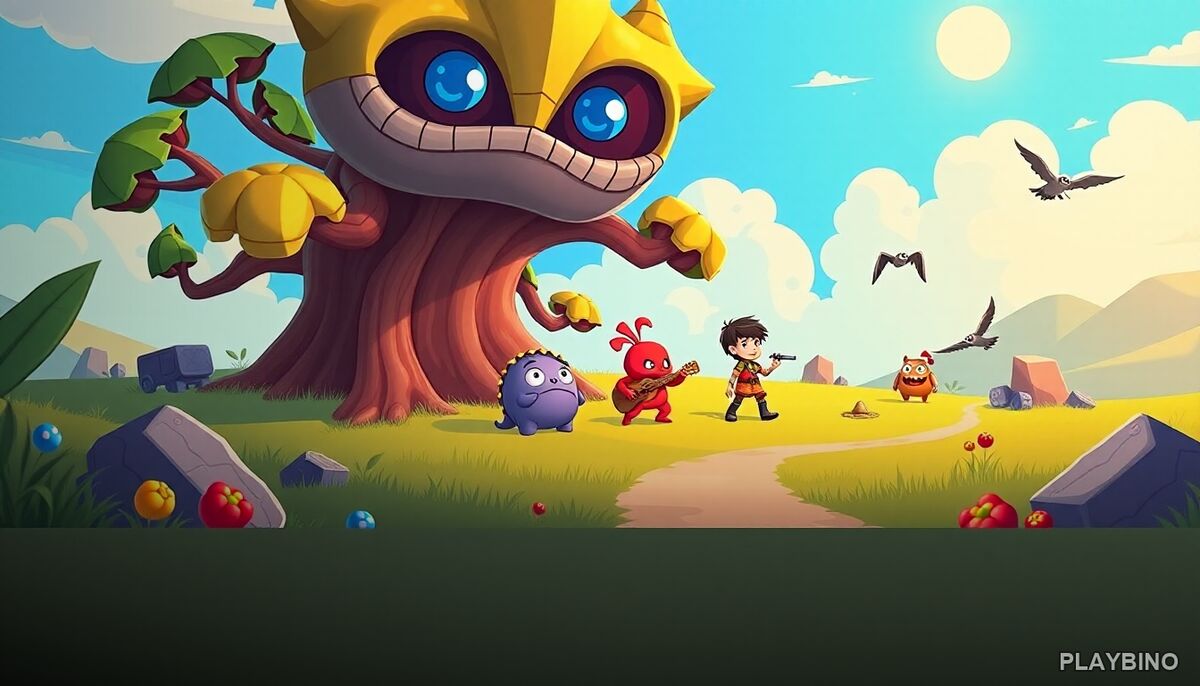
What the Game Is About
Animals Skin puts a simple but satisfying idea at its center: each animal on screen is missing its coat, and the player's job is to drag the correct fur or skin pattern onto the right creature. Spotted, striped, scaled, or patchy — every texture belongs to a specific animal, and finding that match is the core puzzle. Young players can try the full challenge in their browser without any setup or downloads required.
How the Matching Mechanic Works
The drag-and-drop controls are intentionally simple. A partially visible animal waits on one side of the screen while a selection of skin textures sits nearby. Players pick up a texture and drop it onto the creature they believe it belongs to. A correct match completes the animal's appearance with a bright, fully rendered image as a reward. An incorrect attempt prompts another try without penalizing the player harshly, which keeps the experience low-pressure.
Pattern Recognition as the Core Skill
The real mental work happens before the drag. Players need to look closely at the partial image, recall what they know about animal markings, and compare the available textures before committing to a choice. A zebra's bold black-and-white stripes look nothing like a leopard's rosette spots, but younger players still need to process those differences deliberately. That observation step is where the memory and puzzle thinking actually happen.
Progression Through Levels
Each level introduces different animals and slightly more complex textures. Early stages feature creatures with very distinct coats — easy wins that build confidence. Later levels bring in animals with subtler differences, asking players to look more carefully and rely less on guessing. The pacing feels natural rather than abrupt.
The Animals Featured
The game draws from a wide range of wildlife with visually distinctive markings. Some of the creatures players encounter include:
- Leopards with rosette spot patterns
- Zebras with high-contrast black-and-white stripes
- Tigers with bold orange and black banding
- Giraffes with irregular brown patches
- Snakes and reptiles with scale textures
This variety keeps each puzzle visually fresh and naturally teaches children that different species have evolved very different appearances for camouflage, communication, and survival.
Educational Value Without Being Preachy
One of the stronger qualities here is that the learning feels incidental. Children are not reading facts or sitting through explanations — they are solving puzzles. But by repeatedly matching fur patterns to specific animals, they absorb real information about wildlife appearances. After a few sessions, a child who had never thought about what a tapir looks like will recognize one instantly. That kind of passive learning sticks better than direct instruction for this age group.
Who This Game Suits Best
Animals Skin works best for younger players, roughly ages four through eight, who are drawn to animals and enjoy low-stakes puzzle challenges. The one-player format means no competitive pressure, and the bright visuals hold attention without relying on flashy effects. Parents looking for screen time that blends entertainment with genuine wildlife awareness will find it a comfortable fit. The memory element also makes it a reasonable warm-up for more complex matching games — Ocean Memory Challenge on PlayBino, for example, takes a similar memory-based approach with an underwater theme worth exploring next.
Visual Style and Atmosphere
The art direction leans into warmth and clarity. Animals are illustrated in a friendly, rounded style that avoids anything intimidating, and the color palette stays vivid without becoming chaotic. Completed animal images feel like a small celebration, which gives each correct match a satisfying payoff. The interface stays clean enough that young players can navigate it independently after one or two rounds.
"