Army Sink: Multiplayer Strategy Guide and Tactics
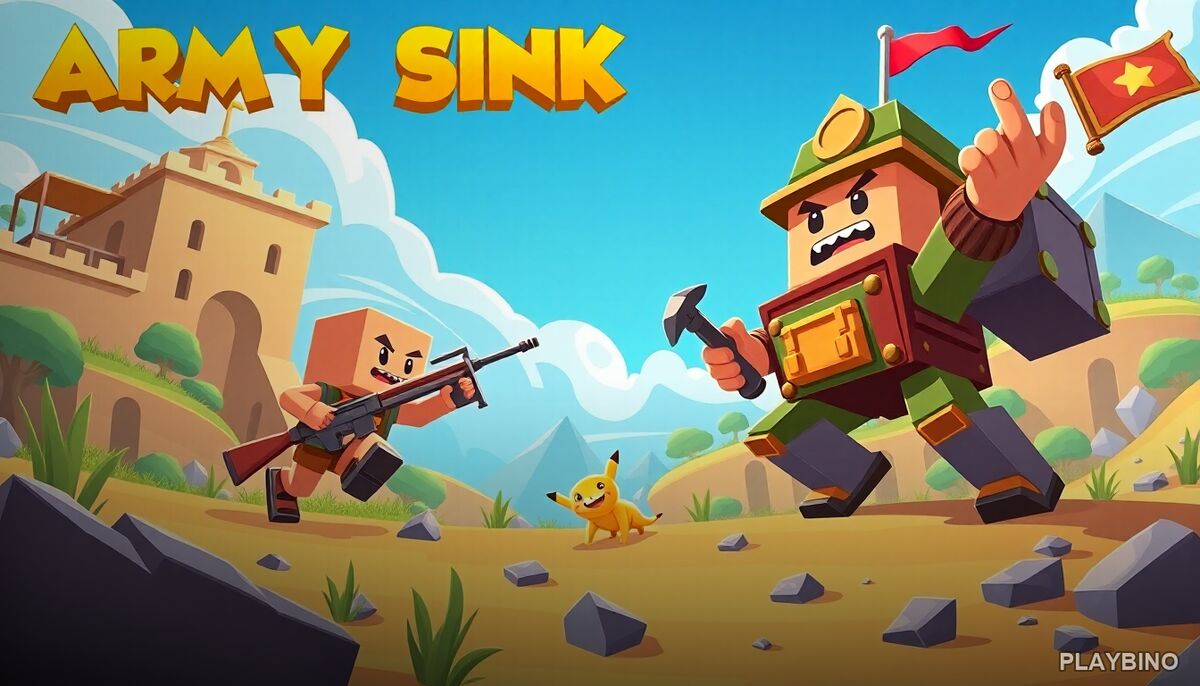
What Army Sink Is About
Army Sink drops you into a competitive arena where the goal is simple on the surface: grow your force bigger than everyone else's. But the moment the match starts, that simplicity disappears. Recruiting units, intercepting rivals, and protecting your momentum all happen simultaneously, and the player who reads the battlefield fastest tends to come out on top. Play it directly in your browser and you'll notice within the first thirty seconds how quickly the power balance shifts.
Recruiting and Momentum
The core loop revolves around collecting followers scattered across the arena. Every unit you absorb adds to your force, and a larger force gives you the power to overwhelm smaller opponents on contact. That creates a snowball dynamic — early leads matter, but they're never safe.
Momentum swings are constant. A coordinated attack from two smaller players can strip your army down fast. Knowing when to chase a weaker opponent versus when to pull back and rebuild your numbers is the central strategic question the game keeps asking.
Timing Your Advances
Rushing into a cluster of enemies when your force is mid-sized is usually a mistake. Waiting too long gives rivals time to grow past you. The sweet spot is advancing just after a nearby opponent has taken a hit from someone else — their force is reduced, your intercept costs less, and you absorb the difference.
Positioning and Movement
Movement isn't just about speed. Where you position yourself relative to unit spawns and rival paths determines how efficiently you grow. Hugging the edges of the arena can feel safer, but the center tends to have higher unit density and more interception opportunities.
Weaving through the battlefield without committing to a direct fight is a viable early strategy. Build quietly while larger players collide, then strike when the dust settles. This approach works especially well in matches with multiple aggressive players who burn each other down in the opening phase.
Reading Enemy Formations
Pay attention to how rival armies are shaped as they move. A long trailing formation is easier to clip from the side than a tight cluster. Hitting the tail of a stretched-out enemy force lets you absorb units without triggering a full confrontation.
Survival Under Pressure
Once you're one of the larger forces in the arena, the dynamic flips. Smaller players start targeting you specifically because absorbing even a fraction of your army gives them a significant boost. Staying mobile and avoiding predictable paths makes you harder to intercept.
- Keep moving — stationary armies are easy targets
- Avoid narrow corridors when outnumbered
- Prioritize loose units over risky direct confrontations
- Watch for players circling your flanks before committing to a push
Why the Multiplayer Format Works Here
The strategy and action tags on Army Sink aren't marketing language — the game genuinely blends both. The action comes from the speed of each encounter. The strategy comes from every decision made between those encounters. Unlike single-player arcade games where patterns become predictable, the multiplayer format means no two matches play out the same way.
Players who enjoy io-style competitive games will find familiar mechanics here, but the army-building layer adds a tactical dimension that goes beyond simple size comparisons. Car.io — another competitive browser game built around similar growth mechanics — offers a different angle on the same competitive loop if you want to compare approaches.
Who This Game Suits
Army Sink works well for players who like short, high-intensity multiplayer sessions. Matches are fast enough that losing doesn't sting for long, and the skill ceiling is real — better positioning and timing consistently outperform raw aggression. If you've spent time with arena-style multiplayer games on PlayBino, this one fits naturally into that rotation. The combination of recruitment strategy, real-time action, and unpredictable opponents keeps individual matches feeling distinct even after many runs.