Auto Bus Driving 2024: City Routes, Traffic, and Timetables
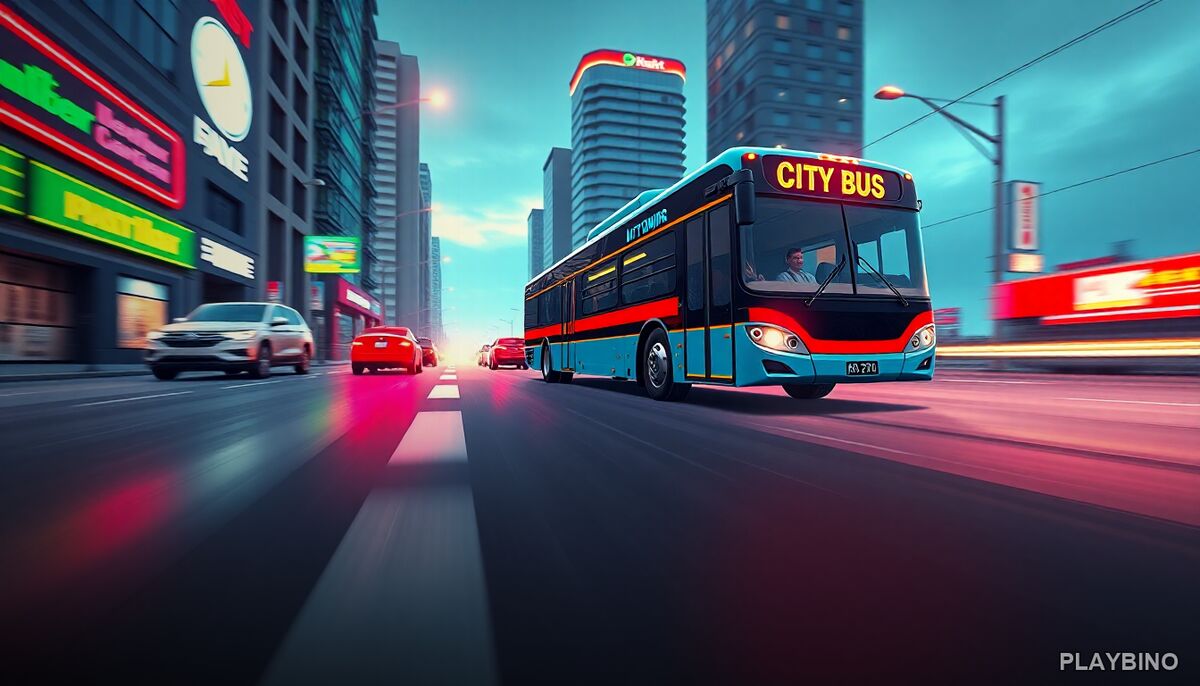
What Kind of Game Is This?
Auto Bus Driving 2024 is a single-player simulation game built around the daily grind of city bus operation. It is not a casual arcade racer. The focus sits firmly on precision, route awareness, and time management rather than speed or stunts. If you enjoy simulation games that reward patience and careful decision-making, this urban driving simulation puts you in the driver's seat of a working transit system across multiple city routes.
The Core Loop
Each run starts with a route assignment. You pull out of the depot, follow road signs, stop at marked bus stops, pick up and drop off passengers, and return on schedule. That sounds straightforward, but the game layers in enough variables to keep every trip interesting.
Traffic and Timing
Dense urban traffic means you cannot just accelerate between stops. Intersections fill with unpredictable vehicles, pedestrian crossings interrupt your rhythm, and schedule pressure builds when you fall behind. Running late costs points. Running early is just as bad because passengers expect buses to arrive on time, not ahead of schedule.
Weather Conditions
Rain shifts the handling noticeably. Visibility drops, braking distances increase, and routes through downtown corridors become tighter. The weather system is not purely cosmetic — it genuinely changes how you approach the same route compared to a clear-sky run.
Route Variety and Progression
The game spans residential neighborhoods, commercial zones, and busy downtown corridors. Early routes are forgiving with lighter traffic and wider roads. As your driving record improves, the progression system unlocks more demanding routes and additional bus models. Later stages drop you into narrow streets with heavier traffic and tighter stop sequences, which tests route memory as much as raw driving skill.
- Residential routes: wider roads, moderate passenger volume, good for learning stop timing
- Commercial districts: frequent stops, high passenger turnover, congestion at peak hours
- Downtown corridors: heavy traffic, tight lanes, maximum schedule pressure
What Actually Matters When Driving
Steering through intersections cleanly is only part of the challenge. Passenger capacity management plays a real role — overfilling a bus or skipping stops affects your score. Watching mirrors for lane changes, judging when to slow before a stop rather than braking hard, and reading traffic flow several seconds ahead all contribute to a clean run. Collisions reset momentum and eat into your timetable buffer, so defensive driving matters more than aggressive positioning.
Scoring and Performance
Performance ratings seem to weigh punctuality heavily alongside collision avoidance. A fast run with two minor scrapes can score lower than a slightly slower, clean route. That scoring logic encourages a measured driving style rather than pushing the bus to its limits between stops.
A Comparable Driving Experience
Players who like large vehicle simulations with different handling characteristics might also want to look at another heavy-vehicle driving challenge that trades bus routes for emergency response scenarios. The core feel of managing a large vehicle through city streets carries over, but the objectives shift completely.
Who This Game Suits
Auto Bus Driving 2024 on PlayBino works best for players who find satisfaction in mastering systems rather than reacting to action. The simulation leans realistic enough that sloppy driving produces immediate consequences, but it stays accessible enough that new players can complete early routes without frustration. If timetables, traffic logic, and gradual route unlocks sound more appealing than lap times and drift scores, this one fits that preference well.