Baby Animals Pet Vet Care: Treat Cute Patients at Your Clinic
What Happens at the Clinic
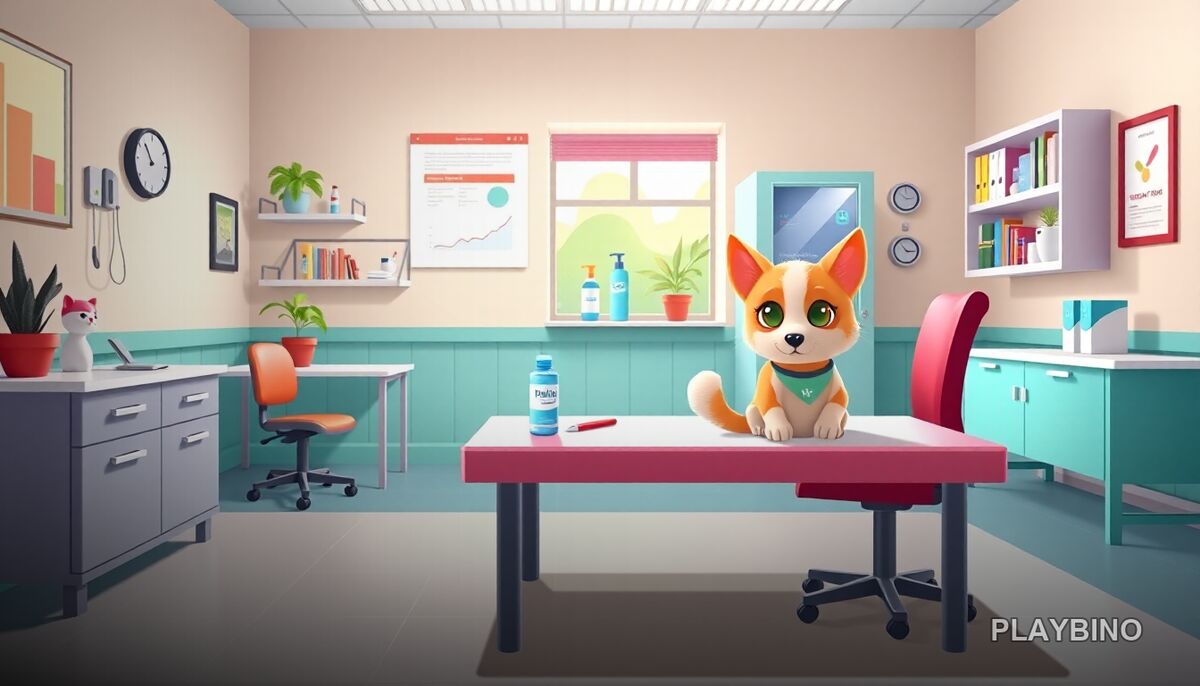
A steady stream of injured kittens, ponies, and other small animals arrives at your clinic, each needing a different kind of care. Some have splinters lodged in their paws. Others have cuts that need cleaning before a bandage goes on. The flow of cases keeps moving, and it's up to you to read each situation and respond with the right tool at the right moment. this animal care simulation builds its appeal around that satisfying loop of diagnosis, treatment, and recovery.
How the Treatment Process Works
Each patient arrives with visible symptoms. You tap or click through a sequence of steps — examining the wound, selecting the appropriate remedy from the medical tray, and applying it carefully. The interface is clean and responsive, so there's no guesswork about which tool to pick up next. The challenge comes from following the correct order of treatment steps rather than rushing through them.
Medical Tools
The clinic stocks a range of instruments: tweezers for removing debris, antiseptic wipes for cleaning, ointments for soothing irritated skin, and bandages for wrapping injuries. Knowing when to use each one matters. Applying a bandage before cleaning a wound, for example, isn't how the game wants you to work.
Pacing and Progression
Early cases introduce the basics with straightforward injuries. As you complete treatments successfully, new animals appear with more complex conditions. The difficulty scales gently, adding steps to each procedure rather than overwhelming you with speed or time pressure. It's a skill-based simulation that rewards attention over reaction time.
The Nurturing Side of Gameplay
What separates this from more action-heavy simulation games is the emotional tone. The animals react visibly — whimpering when hurt, relaxing as treatment progresses, and showing clear signs of relief once healed. That visual feedback loop makes each completed case feel genuinely rewarding. Players who enjoy nurturing mechanics and care-focused gameplay will find the pacing comfortable without feeling too passive.
Cases to Expect
- Kittens with paw injuries requiring splinter removal and bandaging
- Ponies with skin irritations needing ointment application
- Animals with cuts that go through a multi-step cleaning and dressing process
- Progressive cases that add new treatment steps as your clinic experience grows
Who Plays This Kind of Game
Single-player simulation games built around care routines tend to attract players who enjoy methodical, low-pressure gameplay. The one-player format means there's no competition or time limit pushing you into mistakes. You move at your own pace, which suits casual sessions well. The visual style — soft colors, expressive animals, clean UI — adds to that relaxed atmosphere without making the game feel childish in its mechanics.
If the veterinary theme appeals to you, a comparable simulation focused on dog care covers similar treatment mechanics with its own set of cases worth exploring on PlayBino.
Strategy That Actually Matters
The skill element in this simulation comes down to sequencing. Rushing a treatment step or selecting the wrong tool resets that part of the process. Paying attention to what each animal's condition actually requires — rather than repeating the same routine on every patient — is where the gameplay depth sits. It's not complex, but it does ask you to stay focused across each case rather than clicking through on autopilot.