Banana Farm: Build a Cat-Run Supermarket Empire
What Kind of Game Is This?
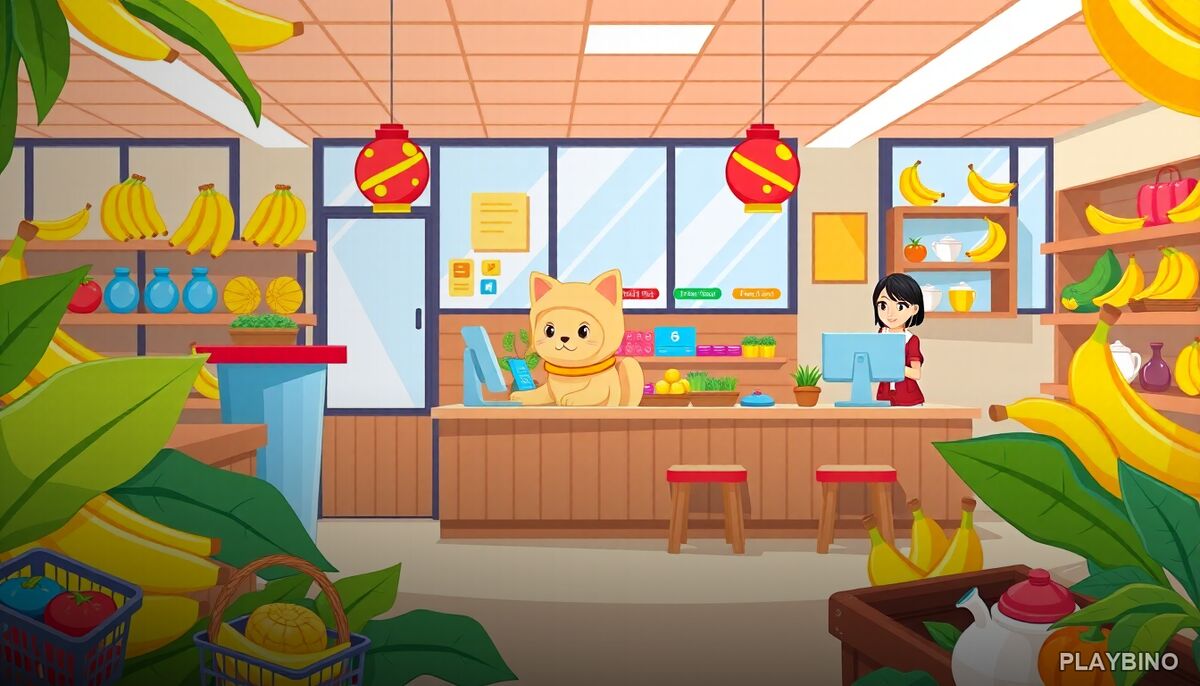
Banana Farm drops you into the role of a supermarket manager with a twist: your entire workforce and customer base consists of cats. The premise is quirky, but the underlying mechanics are a genuine blend of idle simulation and light strategy. You cultivate crops, hire feline staff, serve customers, and reinvest profits to keep the whole operation growing. The full browser experience is available on PlayBino and runs without any downloads.
The game sits comfortably in the clicker and idle genre, meaning progress continues even when you step away, but active decisions still matter. Choosing which cats to hire, which products to unlock, and where to spend your earnings shapes how quickly the business scales.
Running the Supermarket
At its core, the loop is straightforward: grow bananas, sell them to cat customers, collect coins, and expand. But the simulation layer adds real texture to that loop. Each cat employee carries a unique skill set. Some are efficient harvesters who speed up crop yield, while others are better suited to the checkout line, reducing wait times and keeping customer satisfaction high.
Hiring Decisions
Picking the right staff for the right roles is where most of the strategic thinking happens. Overloading the harvest side while neglecting customer service creates bottlenecks at the register. Balancing both keeps the flow smooth and revenue steady. Early on, every hire feels meaningful because resources are limited and each cat slot costs a chunk of your profits.
Expanding the Product Range
Bananas are the starting point, but the game opens up additional products as you progress. Unlocking new inventory attracts a wider variety of cat shoppers and increases the earning potential per customer visit. Each new product line also introduces a small management consideration — more variety means more shelf space, more staff attention, and more decisions about where to focus your upgrades.
The Idle and Clicker Balance
Banana Farm handles the idle-clicker balance reasonably well. Manual tapping accelerates income during active sessions, while the simulation ticks along passively when you close the tab. Returning after a break to a pile of accumulated coins and a queue of waiting cat customers gives the familiar idle satisfaction without demanding constant attention.
The clicker element stays relevant throughout because active play genuinely speeds up progression. Players who engage with the upgrade system regularly will outpace those who simply let the idle mechanics do all the work.
Upgrade Strategy and Reinvestment
- Prioritize harvest speed upgrades early to ensure a consistent supply of goods.
- Invest in customer service capacity before expanding the product range.
- Facility upgrades that increase shelf space pay off once you have multiple product lines running.
- Reinvest profits during active sessions rather than banking coins for long periods.
- Higher-tier cat hires cost more but provide compounding efficiency bonuses.
The reinvestment cycle is the engine of the whole game. Sitting on coins slows growth, while smart spending on the right upgrades at the right time creates a noticeable acceleration in how fast the business scales.
Who Will Enjoy It
The game suits players who enjoy casual management simulations with a light strategic layer. The cat theme keeps the visual tone playful, but the underlying idle and clicker mechanics have enough depth to hold attention across multiple sessions. If you like watching a system grow through incremental decisions rather than reflex-based challenges, this type of supermarket sim fits well.
Fans of similar management-style browser games might also want to check out Miniature Monkey Market, another market simulation with its own resource and staffing dynamics worth exploring.