Battle Cards: Grid Strategy Meets Roguelike RPG
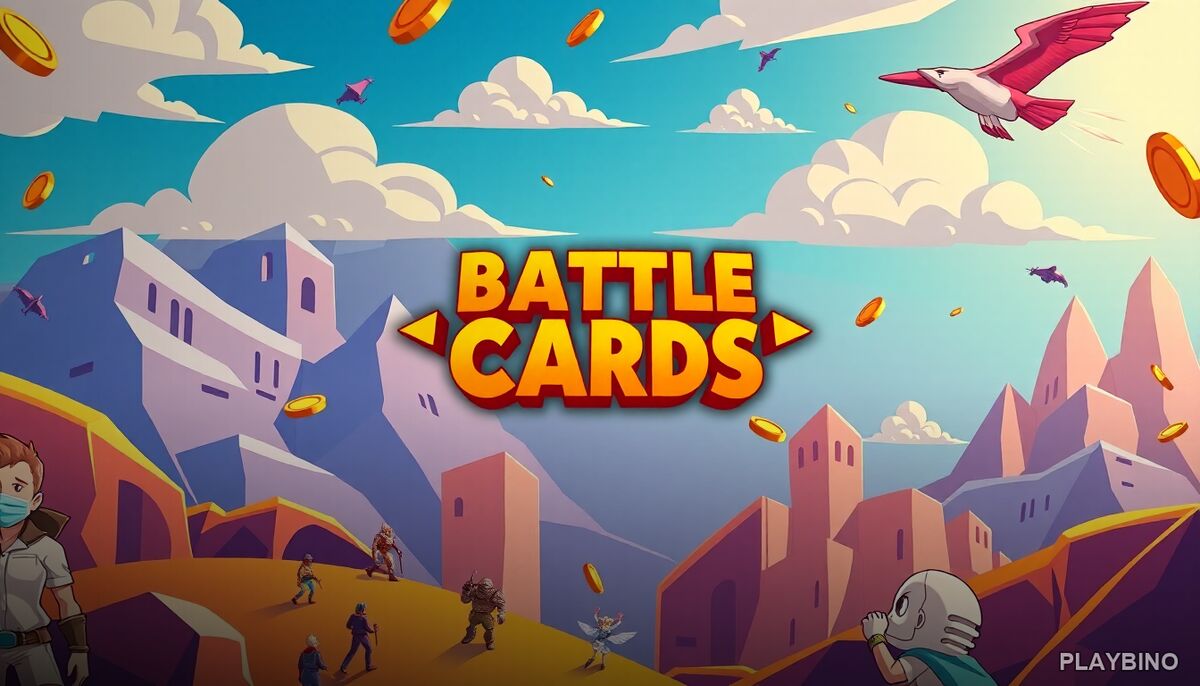
What Kind of Game Is This?
Battle Cards sits at the intersection of strategy, RPG, and logic. It plays out on a grid where your hero card moves through a field of unknown threats and rewards. Each tile you step on triggers something — a monster fight, a gold pickup, a spike trap, or a healing card. The tension comes from not knowing exactly what the next move will cost you.
The roguelike structure keeps things unpredictable. Card positions shuffle between runs, so memorizing a fixed path won't help. Instead, you build pattern recognition and learn to read the board before committing to a direction. Play the full challenge in your browser and see how quickly the grid starts to demand real decisions.
Grid Navigation and Encounter Logic
Movement is the core mechanic. You control a hero card that must traverse the board from start to finish, and every adjacent tile represents a potential encounter. The game doesn't let you skip tiles — forward progress always carries a cost or a benefit.
Hazards
Monster cards reduce your health based on their power level. Spike tiles deal flat damage with no counterplay — they simply punish movement through that space. Learning to identify which tiles carry which threats is a key part of improving your runs.
Recovery Options
Healing cards are scattered across the grid, but they're rarely placed conveniently. Reaching one often means absorbing damage from surrounding hazards first. The calculation of whether a heal is worth the path to get there is one of the most interesting decisions the game forces on you.
Risk vs. Reward: The Gold Problem
Gold pickups add a resource layer to the navigation puzzle. Grabbing gold strengthens your position in some form, but gold tiles are frequently surrounded by damage sources. The question isn't just whether to take the gold — it's whether the detour through a monster or spike is worth the resource gain.
This is where the logic and strategy tags earn their place. The game rewards players who can calculate trade-offs quickly. A run where you play conservatively and avoid damage may leave you under-resourced. A greedy run that chases every gold tile may leave you too damaged to survive the later board sections.
Roguelike Variety and Replayability
The shuffled card layout between attempts is what gives Battle Cards its staying power. No two runs look identical. Early positions that seemed safe in one attempt may be loaded with monsters in the next. This forces genuine adaptation rather than route memorization.
- Card positions randomize each run
- Monster strength varies across the board
- Healing cards appear in different locations every attempt
- Gold distribution changes, affecting resource strategy
- Risk corridors shift, requiring fresh routing decisions
Players who enjoy RPG progression loops and logic-based planning will find the randomization satisfying rather than frustrating, because the underlying skill — reading the board and managing health — transfers across every run.
Strategy Tips for Longer Runs
Prioritize Health Management Early
The opening moves set the tone. Burning through health in the first third of the board leaves no margin for the denser hazard clusters that typically appear later. When two paths look equally rewarding, favor the one with fewer monster cards.
Map the Board Before Moving
Spend a moment scanning the visible grid before committing to a direction. Identifying healing card locations early lets you plan a route that passes through recovery before entering high-damage zones. Reactive movement gets punished; deliberate routing gets rewarded.
A Different Kind of RPG Challenge
If the grid-based, card-driven format appeals to you, the survival RPG genre has other interesting angles worth exploring. Doomsday Survival RPG Shooter takes a very different approach to the same genre tags — that browser RPG survival experience covers a combat-heavy alternative worth comparing. Both games reward strategic thinking, but the mechanics and pacing differ significantly.
Battle Cards on PlayBino is a compact, replayable logic challenge that doesn't overstay its welcome. Each run is short enough to fit a break, but the decision-making depth keeps the game from feeling shallow after a few attempts.