BitBall 2: Grid Puzzle Strategy and Coin Collection Guide
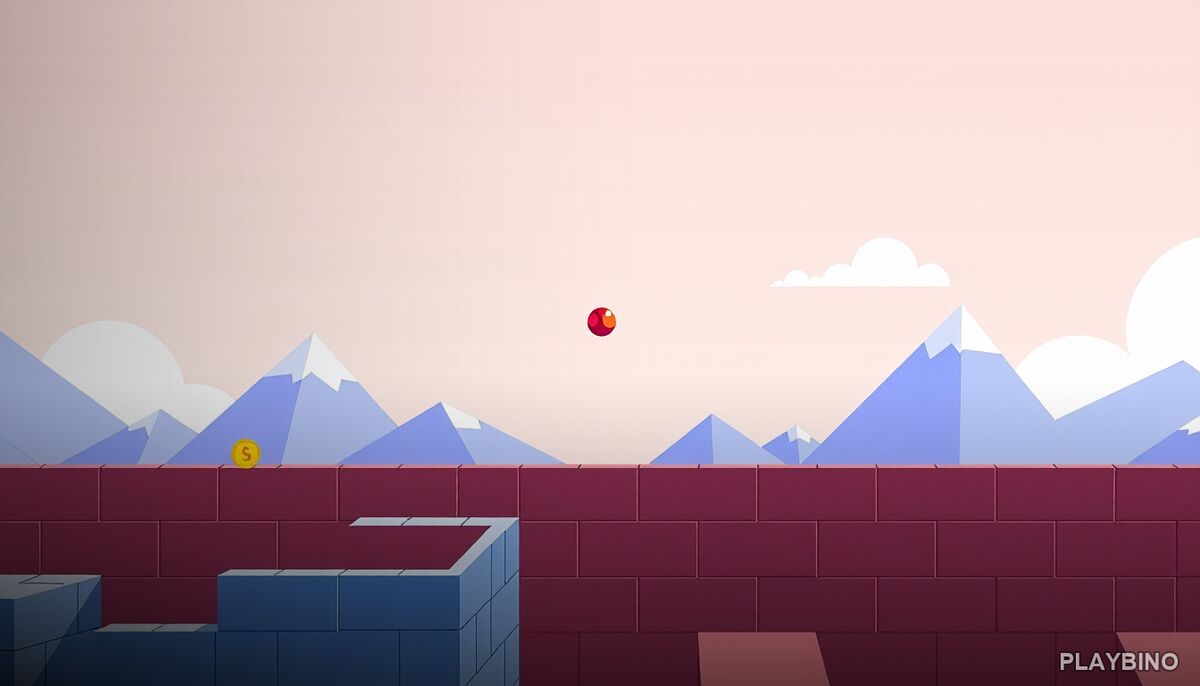
What BitBall 2 Is About
BitBall 2 is a single-player logic puzzle built around a simple premise: swipe to roll a ball across a grid, reach the goal, and collect every coin along the way. The challenge comes from the tile layout itself. Each level is a small maze of connected squares, and your path through them determines whether you succeed cleanly or hit a dead end. Play it directly in your browser and the first few levels feel approachable, but the spatial reasoning required builds steadily as you progress.
Grid Navigation and Tile Mechanics
The core loop is swiping in a direction and watching the ball roll until it hits a boundary or a blocking tile. You cannot stop mid-slide, which means every move commits you to a new position. That single constraint turns what looks like a simple maze into a genuine planning exercise.
Special Tile Types
Not all tiles behave the same way. Some redirect the ball automatically when it enters them, changing your trajectory without additional input. Others act as barriers that force you to approach from a specific angle. Learning what each tile type does and anticipating how the ball will respond is the central skill the game builds over time.
Coin Placement as a Routing Puzzle
Coins are not randomly scattered. Their positions are deliberate, and reaching all of them often requires a specific sequence of moves. Skipping a coin early in a route can make it unreachable later, so scanning the full grid before committing to a direction pays off more than reacting move by move.
How Difficulty Scales
Early levels introduce one or two tile types and give you enough open space to experiment. As stages progress, the grid becomes denser, special tiles stack interactions, and the number of coins increases. New mechanics appear gradually rather than all at once, which keeps the mental load manageable while still raising the challenge. The game never throws a completely unfamiliar concept at you without some context from earlier levels.
Strategy That Actually Helps
- Trace the full path mentally before your first swipe on each level.
- Identify which coins require a detour and plan those detours first.
- Work backward from dead ends to understand which approaches are blocked.
- On levels with redirecting tiles, map out where each tile sends the ball before committing.
- If you reach the goal but miss coins, restart and treat the failed run as a scouting pass.
Rushing through levels is the most common reason players stall. The grid is small enough that a full mental scan takes only a few seconds, and that habit separates clean completions from repeated restarts.
Who the Game Suits
BitBall 2 fits players who enjoy quiet, focused logic challenges without time pressure. There are no enemies, no health bars, and no countdown. The only metric is whether you reach the goal and how many coins you collected. That makes it a good fit for anyone who prefers brain-over-reflex gameplay and wants puzzles that reward careful observation rather than fast reactions.
If spatial grid puzzles appeal to you, Merge Hexa offers a different take on tile-based logic that is worth exploring alongside this one.
Playing on PlayBino
BitBino 2 runs entirely in the browser on PlayBino with no downloads or installs required. The controls are swipe or click-based, which makes it comfortable on both desktop and mobile. Each level loads quickly, and the clean visual design keeps the focus on the grid rather than distracting elements. It is a compact puzzle experience that fits naturally into short sessions.