Block Team Deathmatch: Modes, Weapons, and Competitive Strategy
What Kind of Shooter Is This?
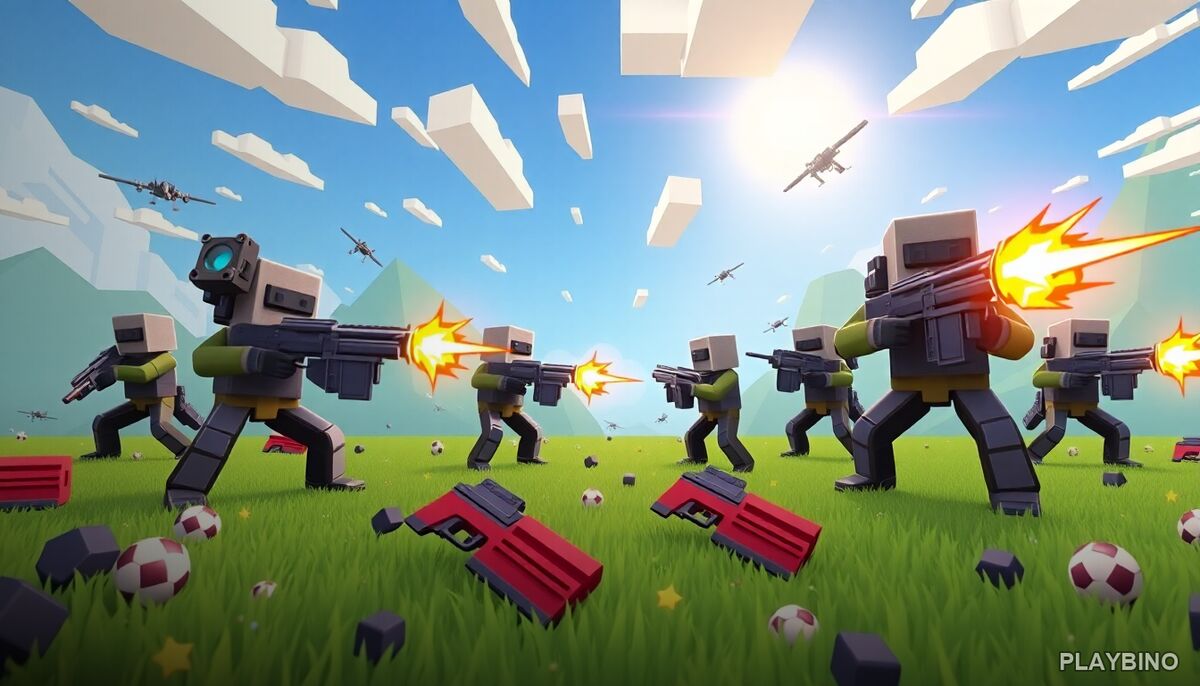
Block Team Deathmatch wraps serious competitive shooting inside a blocky, pixelated shell. The voxel art style gives the arenas and characters a distinct visual identity, but do not let the playful look fool you — the PvP action is fast, punishing, and genuinely competitive. Reflexes matter. Positioning matters even more. Play it directly in your browser and you will notice within the first match that the game rewards smart movement over random spraying.
Three Modes, Three Mindsets
The structure of Block Team Deathmatch revolves around three distinct combat scenarios, each pulling focus toward a different set of skills.
4v4 Team Battles
Squad coordination defines this mode. Four players work together against an opposing team of four, meaning communication and role awareness give a real edge. Rushing alone gets punished quickly. Teams that spread across the map, cover angles, and rotate together consistently outperform groups of solo-minded players.
Free-for-All
Individual matches strip away the team safety net. Every player is an enemy, and survival depends on reading the flow of the fight — knowing when to push, when to retreat, and which areas of the map become kill zones during the mid-game.
Sniper Arenas
The sniper-focused mode shifts the entire pace. Speed becomes secondary to patience and accuracy. Long sightlines reward players who understand cover, pre-aim common angles, and resist the urge to reposition unnecessarily. This mode plays almost like a different game compared to the close-range 4v4 chaos.
Weapon Progression and Loadout Choices
Starting weapons are functional but limited. Assault rifles cover most situations early on, offering a balance of range and fire rate that suits players still learning the maps. As you climb the ranks, specialized gear unlocks — longer-range rifles, faster sidearms, and equipment suited to specific modes. The progression feels earned rather than arbitrary, and switching loadouts between modes is a habit worth building early.
- Assault rifles — versatile, reliable for mid-range engagements
- Sniper rifles — high damage, slow handling, essential in sniper arenas
- Close-range options — effective in tight map corridors during team matches
- Unlockable gear — better stats tied to rank progression
Positioning and Map Awareness
The blocky map geometry creates natural choke points and elevated positions that heavily influence match outcomes. High ground is almost always an advantage, but holding it too long makes you predictable. Good players cycle between strong positions rather than camping one spot. In team modes, covering multiple angles simultaneously forces opponents into unfavorable trades.
Key Tactical Habits
Watch the minimap when available. Move between cover rather than across open ground. In sniper arenas, avoid silhouetting yourself against bright backgrounds. In free-for-all, prioritize finishing wounded opponents over chasing full-health targets — partial kills waste time and resources.
Who Plays This and Why It Holds Attention
Block Team Deathmatch works for players who want competitive multiplayer action without a lengthy download or setup. The three-mode structure means the experience does not go stale after a few sessions — rotating between team play and solo matches keeps the challenge fresh. The rank-based weapon unlocks give a sense of progression that makes returning worthwhile. If you have been exploring browser-based action shooters, Modern War Choppers: Shooter offers a different combat angle worth comparing. Both games lean into fast action, but the mechanics and perspective differ enough to complement each other rather than overlap.
Getting Better Over Time
Improvement in this game comes from pattern recognition more than raw reaction speed. Learning which map areas funnel enemies, which weapons suit which mode, and how to read opponent behavior after the first few exchanges — these habits separate consistent performers from players who rely on luck. PlayBino hosts the game with no barriers, so jumping into a match, analyzing what went wrong, and running another round is frictionless. Short sessions work just as well as longer ones for building that pattern recognition over time.