Blockman Hook: Swing, Time, and Conquer Every Level
What You're Actually Doing
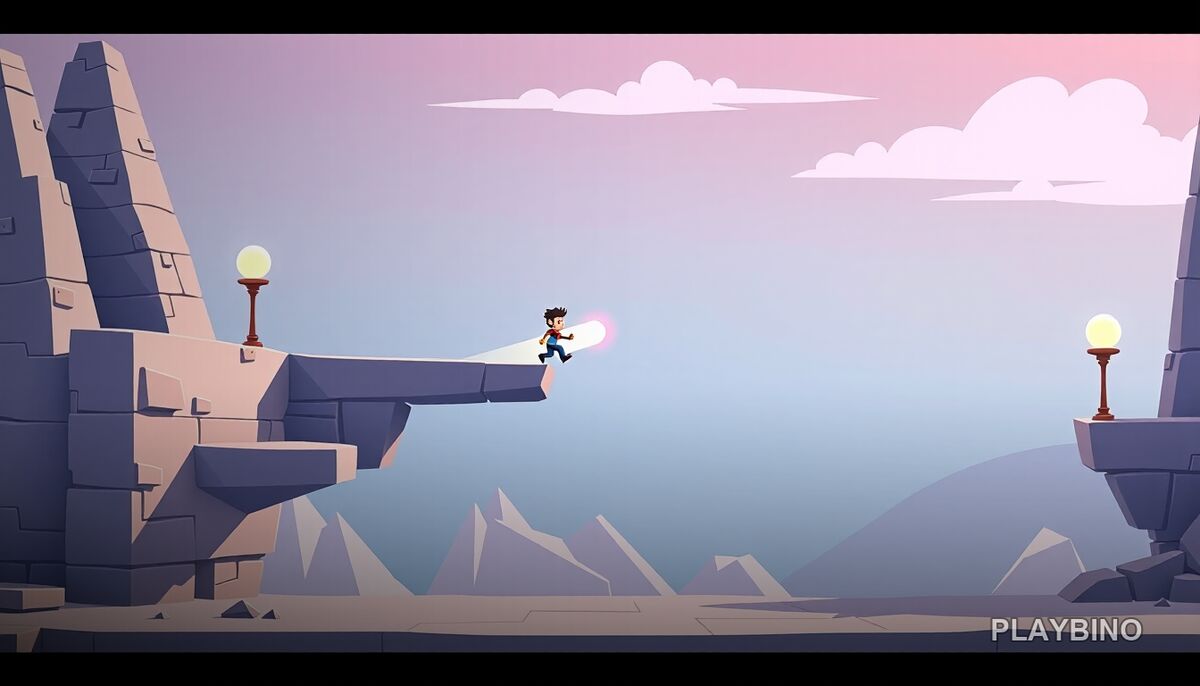
Blockman Hook is a physics-driven action puzzle game where every move depends on where you aim your hook. You control a blocky character who can latch onto surfaces in any direction, then swing toward them to build momentum. The goal each level is simple: reach the finish line. Getting there cleanly is another matter entirely. The full browser version captures that addictive loop of failing, adjusting, and finally nailing a clean run.
How the Hook Mechanic Feels
Each throw pulls your character toward the target surface. That pull generates momentum, and momentum is everything. A well-timed swing carries you across wide gaps that would otherwise be impossible to clear on foot. A poorly aimed one sends you straight into a fall and resets your progress immediately.
The hook can latch in any direction, which opens up creative routing. You're not limited to swinging left and right. Angling upward to grab a ceiling, then releasing at the right moment to arc over an obstacle, becomes a core part of how the game plays at higher levels.
Timing the Release
Holding the hook too long kills your arc. Releasing too early drops you short. The sweet spot is somewhere in between, and finding it consistently is what separates smooth runs from repeated resets. The physics feel responsive enough that mistakes read as your own rather than the game's fault, which keeps frustration from building too heavily.
Using Bouncing Platforms
Scattered through the levels are bouncing platforms that give extra height when you land on them. These aren't just obstacles to avoid. Used correctly, they extend your reach to elevated areas that the hook alone might not access easily. Recognizing when to bounce versus when to swing directly is part of the puzzle layer the game builds over time.
Level Design and Difficulty Curve
Early levels teach the basics without overloading you. Gaps are manageable, surfaces are obvious targets, and the layout encourages experimentation. As complexity increases, the placement of platforms grows tighter, obstacles appear mid-swing, and the margin for error shrinks considerably.
The design stays fair throughout. When a section feels difficult, it's usually because the solution hasn't clicked yet rather than because the level is poorly constructed. Replaying a section several times reveals patterns that weren't obvious on the first attempt.
Speed vs. Precision
There's a tension at the center of Blockman Hook between moving fast and staying controlled. The game rewards speed — faster completions feel satisfying and chaining swings together has a rhythm that's genuinely enjoyable. But rushing causes misaimed hooks and unnecessary falls.
- Chain swings by releasing momentum at the peak of each arc
- Plan two or three moves ahead when approaching dense obstacle sections
- Use bouncing platforms proactively rather than reactively
- Accept resets as part of learning the layout rather than fighting them
Players who lean into the skill side of the game will find that consistent practice builds muscle memory quickly. The controls are tight enough that improvement feels tangible after just a few attempts on any given section.
Who This Game Suits
If you enjoy action games that reward spatial thinking and physical precision, Blockman Hook fits well. The puzzle element comes not from logic grids or matching mechanics but from reading the environment and executing a movement plan under pressure. It's a different kind of problem-solving — kinetic rather than static.
Those who have played Hook Master Mafia City will recognize the grappling hook satisfaction. That game takes a different approach to the concept, blending hook mechanics with a distinct visual style and setting, so it's worth comparing the two if swinging-based gameplay is something you want more of on PlayBino.
Practice Makes the Difference
Blockman Hook doesn't hand out easy completions. The skill ceiling is high enough that returning to earlier levels after mastering later ones shows clear improvement. What felt difficult in the first few sessions becomes automatic, and that progression is one of the more rewarding parts of the experience. Clean runs feel earned, and that's exactly the point.