Brainstorming 2D: Grid Puzzle Strategy and Color Matching Guide
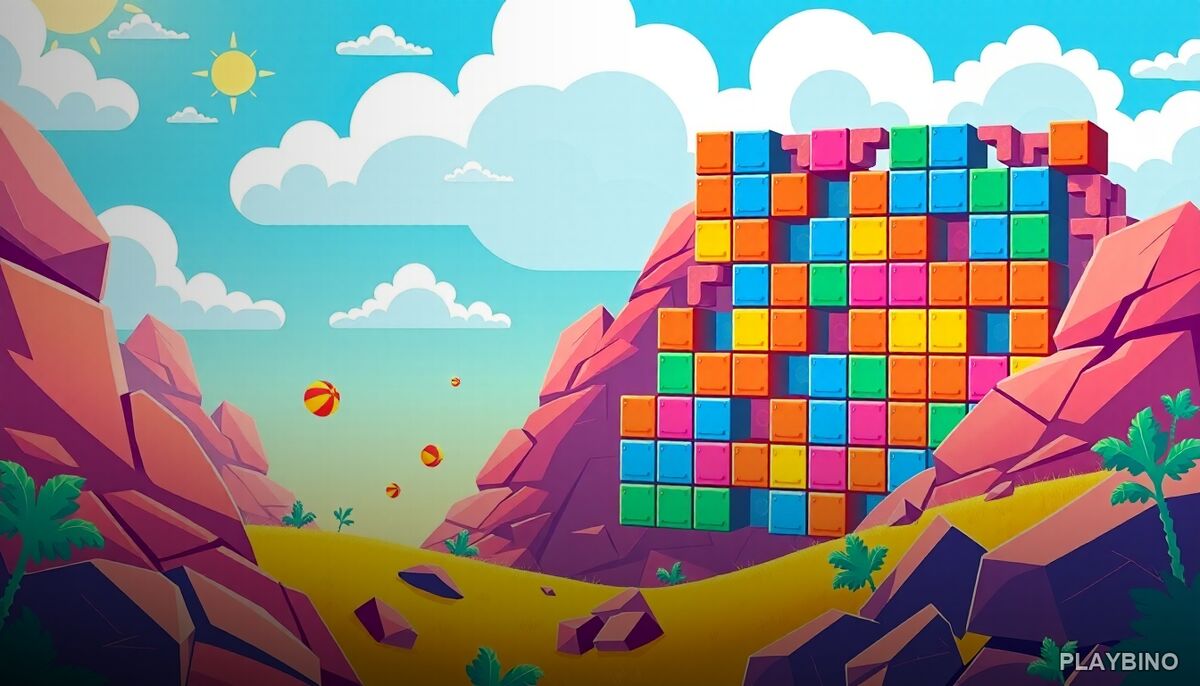
What Kind of Puzzle Is This?
Brainstorming 2D sits at the intersection of spatial reasoning and color logic. The playing field is a grid packed with colored blocks, and your job is to slide them into matching positions until the board clears. It sounds simple at first, but the mechanics demand real planning — every move shifts the layout, and a careless slide can lock pieces into corners with no escape. If you enjoy logic puzzles that reward thinking ahead rather than quick reflexes, this browser challenge is worth your attention.
How the Sliding Mechanic Works
Each puzzle starts with a grid where squares carry specific colors along their edges. Sliding a block moves it until it hits a boundary or another piece. When two blocks with matching colors meet correctly, they eliminate each other from the board. The catch is that the order of your moves matters enormously — clearing one pair too early can strand other blocks with no valid match remaining.
Thinking Several Steps Ahead
The game does not punish you with a timer, which means every puzzle becomes a deliberate exercise in planning. Before sliding anything, it helps to scan the full grid and identify which blocks are most constrained. Pieces near the edges have fewer directions to travel, so they often need to be resolved last, or set up carefully early on.
Color Matching and Pattern Recognition
Beyond spatial logic, there is a pattern recognition layer built into the color system. As more colors appear on the same grid, you start reading the board less like a sliding puzzle and more like a sequence problem — figuring out which chain of moves unlocks the next valid match. This dual demand on both visual pattern reading and logical sequencing is what separates Brainstorming 2D from simpler block games.
Difficulty Progression
Early puzzles introduce the core mechanic cleanly. The grids are small, the color count is low, and the solution paths are short enough to visualize quickly. As the game advances, grids grow tighter and the number of colors increases. Some later configurations look almost unsolvable at first glance, with blocks packed so densely that finding any valid first move takes real effort.
- Small grids with two or three colors in early stages
- Larger configurations that introduce four or more color types
- Tighter boundary constraints that limit sliding directions
- Puzzles where the correct first move is not immediately obvious
Strategy Tips
A few principles hold up across most puzzles. First, avoid sliding blocks into corners unless you have a clear plan for getting them out — cornered pieces become immovable obstacles fast. Second, when two valid matches exist, prioritize the one that opens the most space for remaining blocks. Third, if a puzzle feels stuck, mentally reverse-engineer the end state: imagine the last two blocks on the board and work backward to figure out how they got there.
Resetting Without Frustration
The game allows you to reset a puzzle and start fresh, which is genuinely useful. Some configurations benefit from a second look with fresh eyes rather than trying to undo a chain of bad moves. Resetting is not failure — it is part of the logic process.
Visual Design and Focus
The clean 2D aesthetic keeps distractions minimal. There are no animations competing for attention, no background noise to parse. The color palette is clear enough that distinguishing between block types stays easy even on complex grids. This kind of stripped-back visual approach works well for a brain puzzle — the challenge lives entirely in the logic, not in reading a cluttered screen.
Similar Puzzle Games on PlayBino
Players who connect with grid-based logic often find themselves drawn to other spatial puzzle formats. 9 Patch Puzzle Quest takes a different structural approach, but shares that same satisfaction of fitting pieces together under constraints — another logic-based challenge worth exploring once you have worked through several Brainstorming 2D stages. The two games complement each other well for anyone building a puzzle rotation.
"