Brazil Coloring Adventure: Explore Tropical Art One Color at a Time
What This Game Is About
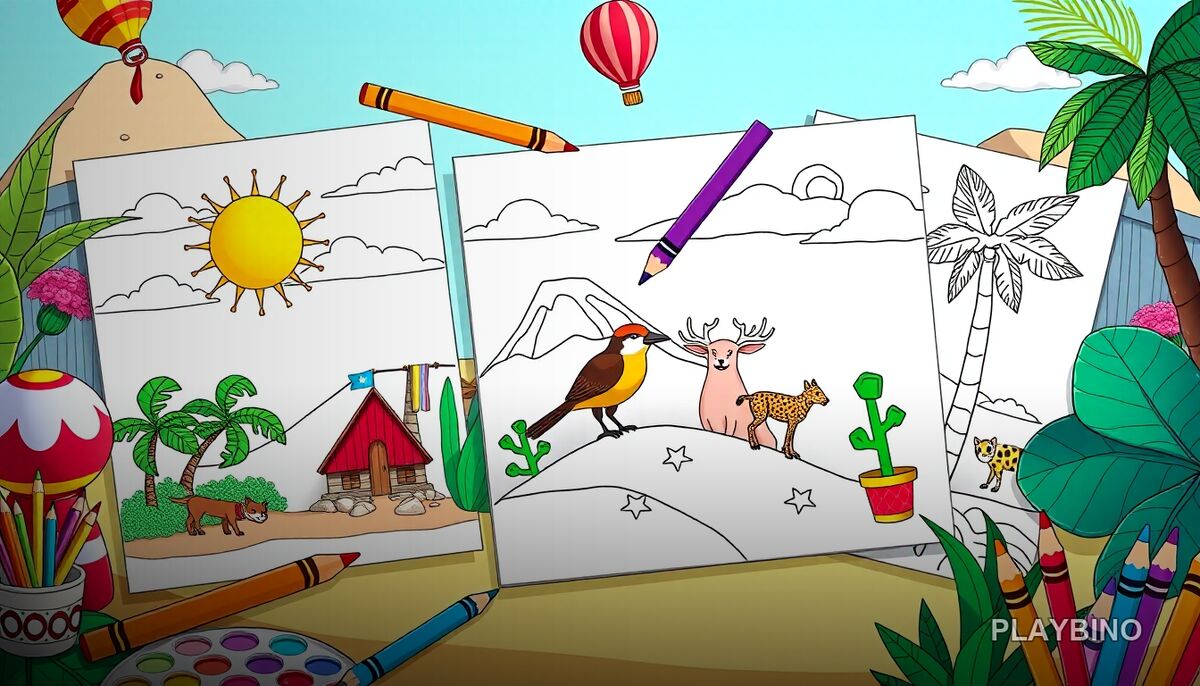
Brazil Coloring Adventure is a single-player simulation game built around a collection of hand-outlined illustrations inspired by Brazilian culture, nature, and celebration. The subject matter pulls from carnival patterns, tropical wildlife, lush landscapes, and cultural icons — each one waiting for your color choices to bring it to life. You can explore the full illustration set on PlayBino and start coloring immediately with no setup required.
The game sits in a relaxing space between creative expression and light skill-based decision-making. There are no timers, no scores, and no failure states. The challenge is aesthetic — how to build a composition that feels balanced, vivid, or surprising depending on your approach.
How the Coloring Mechanics Work
The interface is straightforward. A color palette sits alongside the canvas, and players click individual sections of an outlined illustration to fill them with the selected color. Each image is divided into discrete regions, so the coloring process is precise rather than freeform. You pick a color, click a section, and the fill applies instantly.
Simple Regions vs. Detailed Patterns
Not all illustrations are equally complex. Some designs use large, open sections that fill quickly and produce bold results. Others feature intricate carnival-style patterns with dozens of small adjacent areas where color contrast matters a lot. In the more detailed pieces, thinking ahead about which neighboring sections share borders can make the difference between a flat result and something visually striking.
Saving Your Work
Completed images can be saved, which adds a small layer of satisfaction to finishing a piece. You can revisit a saved illustration to tweak color choices or start the same image from scratch with a completely different palette. This makes the game useful for anyone who enjoys experimenting with color theory in a low-pressure environment.
The Brazilian Theme as Creative Fuel
The choice of Brazil as the visual theme gives the game a wide range of source material. Tropical scenes offer natural greens, deep blues, and vivid flower colors. Carnival imagery invites high-contrast, saturated combinations — golds, reds, purples layered against each other. Wildlife subjects like birds and exotic animals reward careful color placement, especially when you want to stay close to realistic tones or deliberately go abstract.
Cultural motifs and architectural patterns introduce geometric repetition, where a single color decision echoes across many small sections at once. These illustrations reward a slower, more deliberate approach compared to the open landscape scenes.
Who Plays This Kind of Game
Digital coloring games attract a specific kind of player — someone looking for a focused, low-intensity creative session. The simulation tag fits because the game replicates the meditative quality of physical coloring books without needing any materials. It works well in short bursts or longer sessions depending on how complex the chosen illustration is.
- Players who enjoy creative control without competitive pressure
- Anyone interested in Brazilian culture, art, or tropical aesthetics
- People looking for a calm browser activity between other tasks
- Those who like experimenting with color palettes and composition
If this style of creative browser game appeals to you, another coloring experience worth exploring covers a different set of illustrations with its own range of subjects and complexity levels.
Color Strategy and Palette Choices
One of the more interesting aspects of the game is that it rewards intentional palette building. Using the full range of bright tropical colors produces lively, energetic results. Restricting yourself to two or three tones creates something more minimal and graphic. Neither approach is wrong — the game supports both equally.
For the carnival and pattern-heavy illustrations, high contrast between adjacent sections tends to make the design read more clearly. For landscape and nature scenes, gradual color shifts between neighboring areas can create a softer, more naturalistic feel. These are the kinds of small decisions that make repeated play with the same image feel worthwhile.