Brick Hit: Angles, Physics, and Power-Ups in a Classic Arcade Puzzle
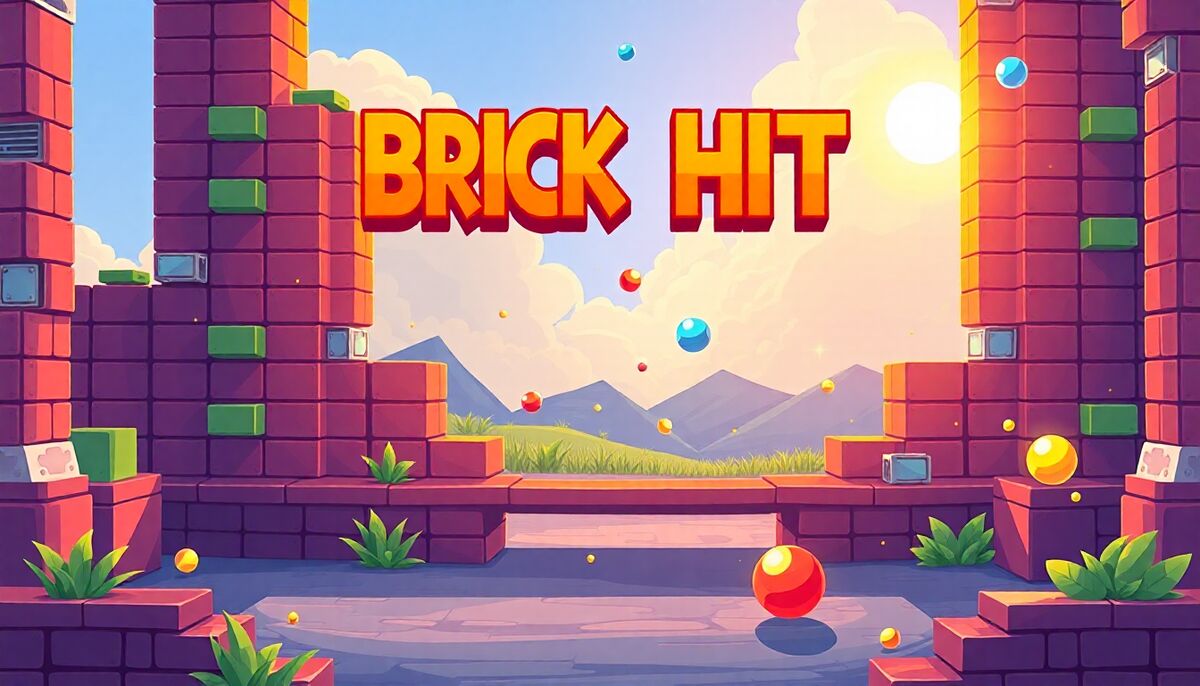
What Brick Hit Is About
At its core, Brick Hit is a single-player arcade puzzle built around one repeating challenge: launch a ball, calculate the angle, and clear every brick from the screen. The concept is familiar, but the execution keeps things engaging as formations grow more complex and tougher bricks demand more precise planning. You can play it directly in your browser on PlayBino without any downloads or setup.
Early stages ease you in with open layouts and forgiving brick counts. As you progress, the patterns tighten, multi-layered clusters appear, and a single poorly aimed shot can leave isolated bricks that are frustratingly hard to reach. That shift from casual to demanding happens gradually, which keeps the difficulty feeling earned rather than arbitrary.
How the Physics Work
The ball physics are the foundation of everything here. Each launch follows a predictable trajectory, bouncing off walls and bricks according to consistent rules. That consistency is what makes the game satisfying rather than random — when a shot goes wrong, it usually comes down to a miscalculated angle rather than the game misbehaving.
Angle and Timing
Before releasing the ball, you aim using a directional indicator. The key skill is reading how the ball will ricochet off side walls before it reaches the brick cluster. A shallow angle might graze the edges of a formation, while a steeper shot drives straight through the center. Learning to predict two or three bounces ahead separates clean clears from messy, leftover-brick situations.
Ricochet Chains
Some of the most satisfying moments come from a single shot that bounces through a chain of bricks in sequence. These chain reactions are not accidental — they reward players who take a moment to trace the likely path before committing. The physics feel responsive enough that these moments happen regularly once you develop an eye for geometry.
Power-Ups and Tactical Choices
Between stages, power-ups appear that change how the ball behaves. Multi-ball splits your single shot into several simultaneous projectiles, turning a difficult cluster into a chaotic but effective clearing run. Increased impact strength lets the ball punch through tougher bricks that would otherwise require multiple hits.
The tactical layer here is deciding when to save a power-up versus using it immediately. Some formations are manageable with careful aiming alone, making a power-up feel wasted. Others are dense enough that holding back costs you several failed attempts. That decision point adds a light strategy dimension to what is otherwise a reflex and skill-based arcade game.
- Multi-ball: splits into several projectiles for wide coverage
- Impact boost: increases damage against reinforced bricks
- Power-ups carry over to the next stage if unused wisely
- Dense formations reward power-up use; open ones rarely need them
What Makes the Puzzle Side Work
Brick Hit sits in an interesting space between pure arcade reflex gameplay and puzzle logic. The puzzle element comes from reading each formation before you shoot. Some clusters have obvious weak points — a gap that lets the ball snake through the interior, or a thin column that collapses under the right angle. Spotting these entry points is the mental work the game rewards.
As stages advance, formations include bricks with higher hit counts displayed on their surface. These act as mini-puzzles within the level: you need to route the ball back through them multiple times, which means planning a trajectory that keeps the ball in play long enough to finish the job.
Who This Game Suits
If you enjoy arcade games that reward spatial thinking over raw speed, Brick Hit delivers that balance well. The one-player format means every outcome is entirely on your decisions — no randomness, no opponents, just geometry and timing. Players who like seeing a clean screen at the end of a level will find the clearing mechanic genuinely rewarding.
For a different take on the brick-breaking genre with its own mechanics and pacing, Crazy Breakout Mobile offers a comparable arcade experience worth exploring alongside this one.
Progression and Replay Value
The game's difficulty curve is its strongest structural feature. Because each stage introduces slightly more complex formations, there is always a reason to keep playing. Missing a clear and retrying with a better angle plan is rarely frustrating — the short round length means a retry takes seconds, not minutes. That quick loop is what keeps the arcade feel intact even as the puzzle complexity increases.