Bridge Wars: Drawing Defenses and Surviving Wave After Wave
What Kind of Game Is This?
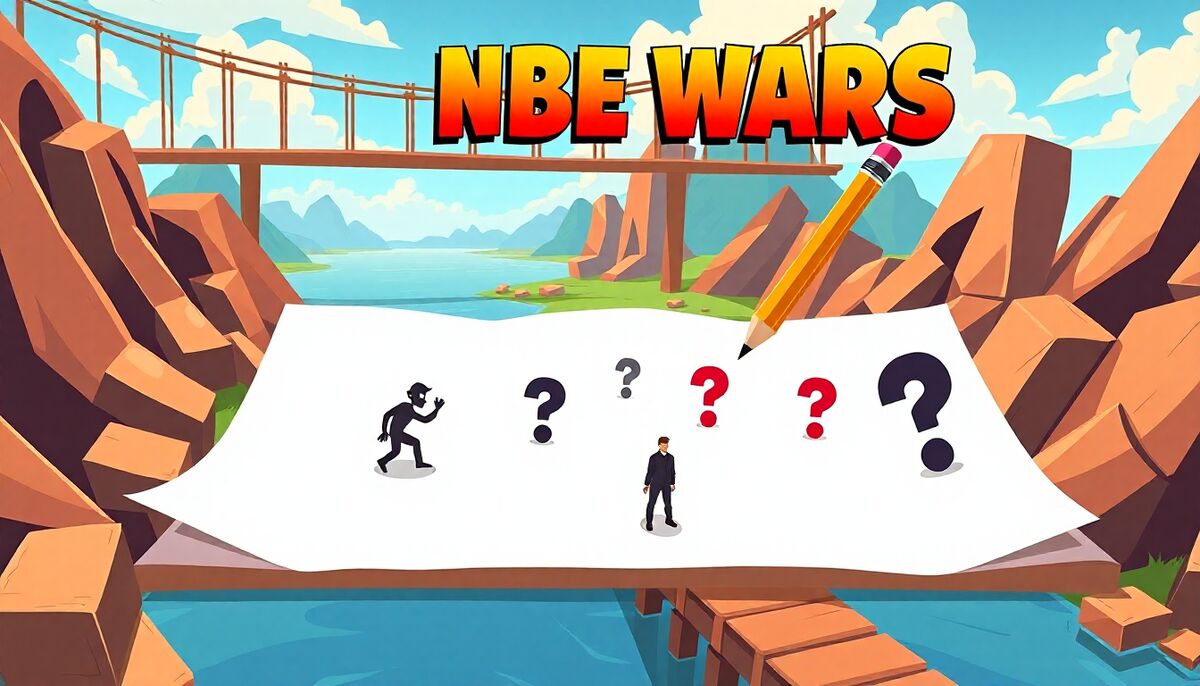
Most tower defense games hand you pre-built units and a grid. Bridge Wars does something different. You draw defensive patterns directly on the screen, and those sketches summon stickman warriors to hold the line. Enemy vehicles roll in waves, and your job is to stop them before they break through your position. The combination of drawing, strategy, and real-time action makes it feel unlike a standard defense game. You can play it directly in your browser on PlayBino without any download or setup.
The Drawing Mechanic Explained
The core loop revolves around sketching formations fast enough to respond to incoming threats. Each pattern you draw spawns a different type of stickman defender, so learning which shapes produce which units matters early on. Speed is part of the challenge — enemies do not wait while you plan. A slow or sloppy sketch can leave gaps in your defense at the worst moment.
Timing Your Sketches
Between waves, you get brief windows to reinforce positions. Use them. Trying to draw while a vehicle is already pushing through your line is far harder than preparing ahead of the next assault. Anticipating enemy timing becomes as important as knowing what to draw.
Pattern Accuracy
The game rewards clean, deliberate strokes over frantic scribbling. Rushing a shape often produces weaker defenders or misfires entirely. Finding a rhythm between speed and accuracy is one of the first real skills the game teaches.
Upgrades and Power-Ups
As enemy vehicles grow tougher across later levels, raw drawing speed stops being enough. Upgrading your defenders increases their durability and damage output, which becomes essential when armored units start appearing. Power-ups like shields and landmines add another layer of decision-making — a well-placed landmine can stop a cluster of vehicles that would otherwise overwhelm a single stickman line.
- Shields protect key defenders during heavy pushes
- Landmines create area denial against grouped enemies
- Upgrades scale defender strength across progressive difficulty
- Weapon style customization lets you tailor your army to specific threats
Level Progression and Difficulty
Early stages introduce the mechanics at a manageable pace. By the mid-game, enemy vehicles hit harder and arrive in larger formations. The puzzle element becomes more prominent here — you are not just reacting, you are planning which defenders to place where, which upgrades to prioritize, and how to use limited power-ups without wasting them on threats your stickmen can handle alone.
Each level feels like a small tactical problem. The answer changes depending on enemy type, wave size, and what resources you have available. That variability keeps the experience from feeling repetitive even as the difficulty climbs.
Who Plays Well Here
Players who enjoy tower defense games with an active, hands-on element will find the drawing mechanic satisfying. The action component keeps things moving faster than typical placement-based defense games, while the strategy layer gives each run enough depth to stay engaging past the first few levels. Stickman customization with different skins adds a light personalization angle without overcomplicating the core gameplay.
If the merge-and-defend style of progression also appeals to you, the Hero Tower Wars Merge breakdown covers a comparable strategy experience worth exploring alongside this one.
What Makes the Combat Feel Different
The action in Bridge Wars does not feel passive. Most tower defense titles let you place units and watch. Here, you are constantly involved — drawing, upgrading, deploying power-ups, and adjusting to what the current wave demands. That active involvement raises the stakes on every decision. A mistimed sketch or a misread wave composition can end a run that felt comfortable just seconds earlier.
The skill ceiling is real, and the game respects players who learn its patterns rather than just spamming the same formation every round.