Bus Order 3D: Three Puzzle Modes, One Brain-Bending Challenge
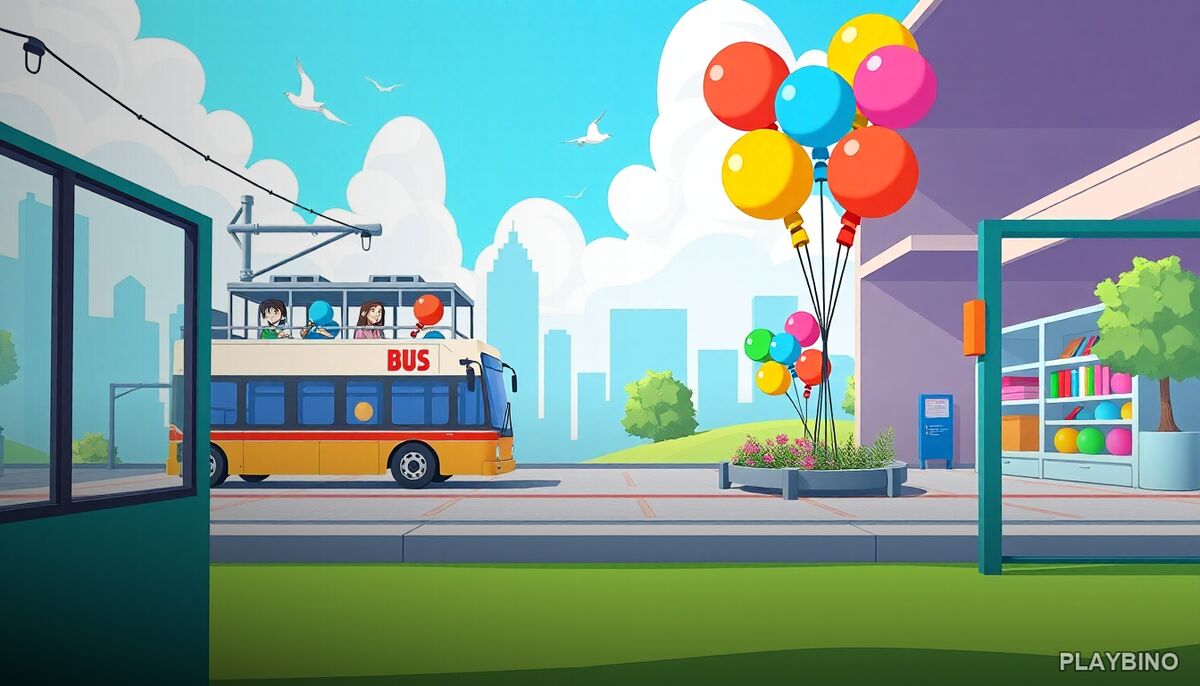
Three Modes, One Puzzle Game
Most browser puzzle games stick to a single mechanic and stretch it across dozens of levels. Bus Order 3D takes a different approach entirely. It packages three separate puzzle types into one colorful experience, each one demanding a different kind of thinking. You can try it directly in your browser without any downloads or setup.
The three modes are passenger sorting, coin matching, and wooden block dismantling. On the surface they share a clean visual style and a satisfying sense of completion when a level clicks into place. Underneath, they each work on completely different logic.
Passenger Sorting and Color Recognition
The first mode puts cheerful passengers on screen and asks you to load them onto buses according to color. It sounds straightforward, but as more colors appear and passenger counts increase, the visual noise builds quickly. You need to scan the crowd fast and make decisions before the arrangement becomes harder to untangle.
Speed matters here, but not reckless speed. Sending the wrong passenger to the wrong bus creates a chain of problems that compounds across the remaining slots. The mode rewards players who can hold a mental map of which bus needs which color while still moving at a decent pace.
Reading the Board Before You Move
A useful habit in this mode is pausing for one second before placing anyone. Identify the buses with the fewest open slots first. Filling those out early reduces the complexity of what remains and prevents the board from becoming an unsolvable tangle.
Coin Matching and Spatial Awareness
The second mode shifts the challenge toward spatial reasoning. Coins of identical colors need to be placed into matching waiting slots, and the arrangement of those slots changes with each level. What looks like a simple color-matching exercise quickly becomes a question of sequence and positioning.
Some slots block access to others. Moving a coin into the wrong position can lock out a slot you need later. The difficulty ramps up gradually, introducing more coin types and tighter slot configurations as you progress.
Wooden Block Puzzles and Methodical Planning
The third mode is the most deliberate of the three. You rotate screws to dismantle wooden block structures, but the order matters enormously. Remove a support screw too early and the structure collapses before you finish. Each puzzle is essentially a sequence problem disguised as a physical one.
Finding the Right Removal Order
Look at which blocks are load-bearing before touching anything. Blocks resting on multiple supports can usually wait. Start with the ones that are only held in place by a single screw, then work inward. Rushing this mode almost always leads to a restart.
How Difficulty Builds Across All Three Modes
Bus Order 3D doesn't front-load its complexity. Early levels in each mode are genuinely approachable, giving you time to understand the mechanics before the real challenge arrives. New colors, tighter layouts, and more intricate block structures appear gradually, keeping the brain engaged without becoming overwhelming all at once.
The logic and brain puzzle tags fit well here. None of the three modes rely on reflexes alone. Each one asks you to think before acting, even if the thinking window is short. Players who enjoy number-based logic puzzles may also find value in Number Quest, another browser challenge built around sequential thinking.
Visual Style and Game Feel
The visuals are clean and uncluttered. Bright colors make the sorting and matching modes easy to read at a glance, which matters when you're processing several elements simultaneously. The wooden block mode has a satisfying physical quality to it, with structures that feel genuinely precarious before they come apart correctly.
PlayBino hosts the game with no friction between you and the puzzle. Load it, pick a mode, and start working through levels at your own pace. The three-mode structure also means you can switch gears when one type of puzzle starts to feel repetitive, which keeps the overall experience fresher than a single-mechanic game would.
"