Call of Bravery Shooter: Tactics, Teamwork, and 5v5 Combat
What Kind of Game Is This?
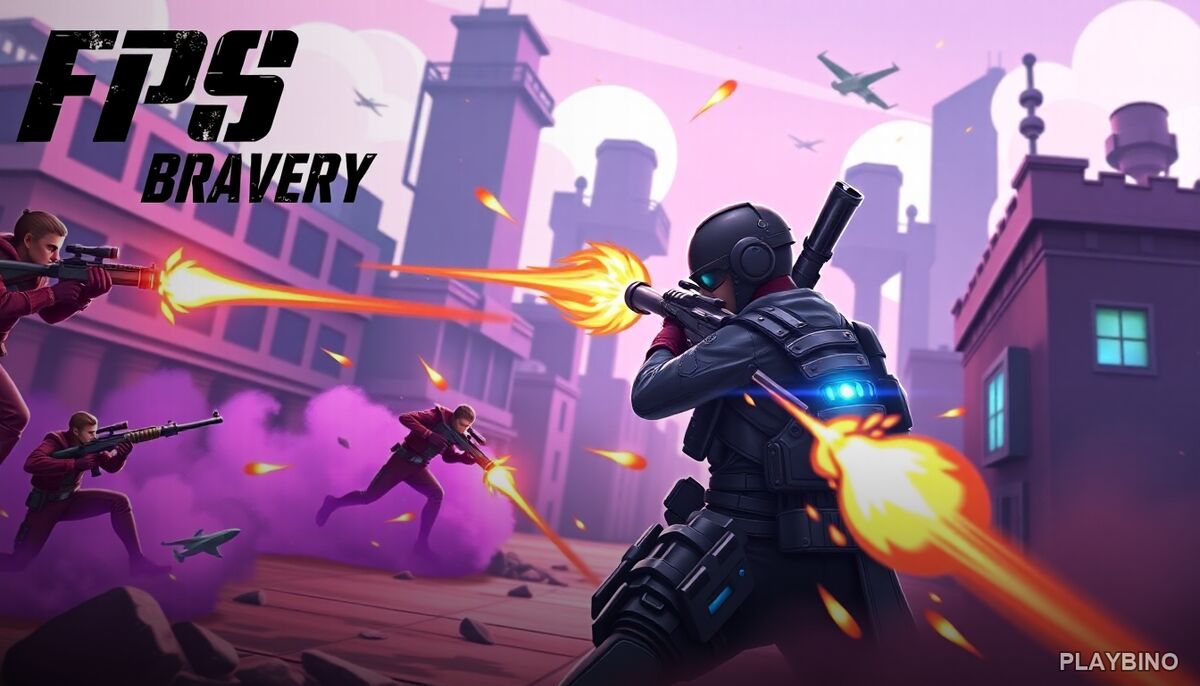
Call of Bravery Shooter is a competitive multiplayer FPS built around 5v5 team combat. Two squads race to 50 eliminations across urban maps packed with corridors, rooftops, and open lanes. The pace is fast, the rounds are tense, and individual skill alone rarely wins a match. If you enjoy PvP shooters where positioning and coordination matter as much as aim, this browser FPS delivers a solid tactical experience without needing a download.
Map Structure and Positioning
Each map in Call of Bravery Shooter is designed with multiple pathways and elevated vantage points. Learning these layouts is one of the most important skills in the game. Matches are won and lost based on which team controls the key choke points and sight lines early in a round.
Vantage Points
High ground positions often offer wider sight lines and cover advantages. Holding a rooftop or elevated platform can let you pick off enemies crossing open areas, but these spots are predictable and will be contested. Rotating off them at the right moment is just as important as taking them.
Flanking Routes
Most maps include side paths that bypass the main combat zone. Using these routes to catch the opposing team off guard can shift momentum quickly. Coordinating a flank with a teammate pushing from the front is one of the most effective tactics available.
Weapon Classes and Playstyle
The game offers multiple weapon classes suited to different combat ranges and approaches. Long-range rifles reward patience and map knowledge, letting you hold angles and punish enemies who overextend. Close-quarters weapons like SMGs and shotguns favor aggressive players who push into tight spaces and force fast engagements.
Choosing a weapon class that matches your preferred role within the squad makes a real difference. A team with a mix of range options and close-range specialists can adapt to different map zones more effectively than one that leans entirely on a single playstyle.
Team Communication and Round Strategy
The 5v5 format means individual performance contributes to but does not decide outcomes on its own. Reading enemy movement patterns, calling out positions, and timing pushes together are the mechanics that separate coordinated teams from disorganized ones.
- Call enemy positions as soon as you spot them
- Avoid splitting the team into too many isolated fragments
- Time pushes to coincide with a teammate's pressure from another angle
- Rotate quickly when a teammate loses their position
- Track the elimination count to decide when to play aggressively or hold
The elimination race to 50 creates a natural rhythm where both teams shift between offense and defense depending on the score gap. A team trailing by ten eliminations needs to take more risks, while a leading team can afford to slow the pace and play for safe trades.
Combat Flow and Reflexes
Rounds move quickly. Engagements are often decided in under a second, which means pre-aiming common positions and maintaining good crosshair placement before a fight starts matters more than reaction speed alone. Players who already have a feel for FPS mechanics will adapt faster, but the map layouts are learnable and the weapon handling is accessible enough for newer players to find their footing.
Crazy Strike Force is another competitive shooter in a similar vein — that game's tactical breakdown covers how it compares in terms of combat structure and pacing if you want a second option in the genre.
Who This Game Suits
Call of Bravery Shooter works best for players who enjoy team-based PvP with a strategic layer beyond pure aim. The action is immediate and the objective is clear, but the depth comes from map control, weapon selection, and squad coordination. PlayBino hosts it directly in the browser, so there is no barrier to jumping into a match and learning the maps through experience.
"