Call to Lethal Company: Survival, Strategy, and Scavenging in a Hostile World
What Kind of Game Is This?
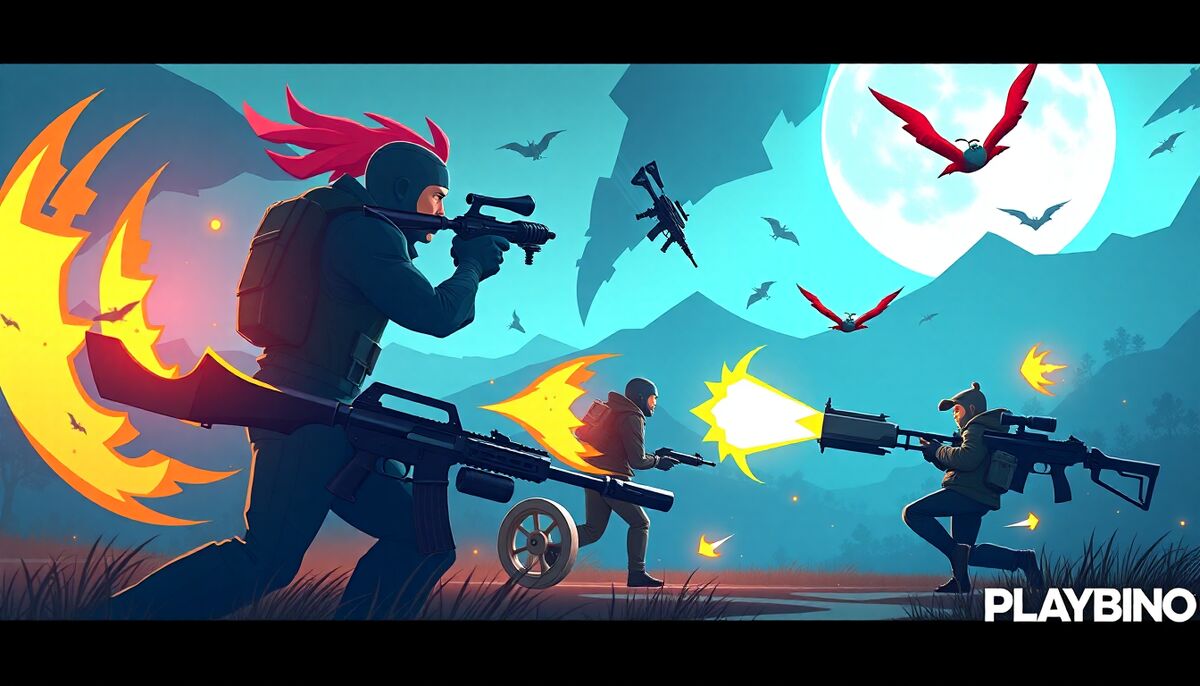
Call to Lethal Company puts you in the boots of a corporate intern sent into facilities that are anything but safe. The premise sounds mundane, but the moment you step inside, the tone shifts fast. Dangerous environments, scarce resources, and unpredictable threats turn every run into a tense calculation. This is a multiplayer action game built around risk management, not just reflexes.
The experience blends shooting mechanics with strategic exploration. You scavenge for valuable items, coordinate with teammates, and try to escape before the situation spirals. play it directly in your browser and you'll notice immediately that patience and observation matter more than charging ahead.
The Core Loop: Scavenge, Survive, Escape
Each mission follows a rhythm. You enter a facility, identify what's worth collecting, and move carefully through rooms where danger can appear without warning. The reward for thorough scavenging is real — better resources, mission progress, and a stronger position for the next run. But lingering too long increases the risk of encountering something you can't handle alone.
Resource Priority
Not every item is worth the detour. Learning which resources carry the most value versus which ones slow you down is a key part of improving. Early on, players often grab everything. Experienced runs focus on high-value targets and fast exits.
Escape Timing
Knowing when to leave is as important as knowing what to collect. The game's tension peaks when your inventory is full but the exit feels far away. Enemies don't follow predictable patrol patterns, which means every second you spend inside is a gamble.
Multiplayer Coordination
The multiplayer layer is where Call to Lethal Company separates itself from solo survival games. Communication between teammates directly affects outcomes. One player might scout ahead while another covers the exit. When resources are tight and threats multiply, splitting tasks efficiently becomes the difference between a successful run and a total wipe.
There's no single correct strategy. Some teams prefer slow, methodical room clearing. Others run fast routes and accept higher exposure. Both approaches work — until they don't. The game keeps groups honest by making overconfidence costly.
Atmosphere and Tension
The sound design does heavy lifting here. Ambient noise, distant movement, and sudden audio cues keep players on edge even in quiet moments. You're never fully sure a room is clear. That uncertainty is intentional, and it shapes how cautious or aggressive you play.
Visually, the environments reinforce the unsettling tone. Facilities feel abandoned but not empty. Shadows and limited sightlines create natural anxiety without relying on jump scares. The atmosphere rewards players who stay alert rather than rush.
Who Plays This Well?
- Players who enjoy action games with a strategic layer
- Groups looking for a multiplayer challenge that requires real coordination
- Anyone who likes tension-driven survival without a health bar to hide behind
- Fans of shooting mechanics paired with resource management
Solo runs are possible but noticeably harder. The game's design leans toward cooperative play, and a coordinated team of two or three will consistently outperform a lone player trying to clear everything.
A Similar Challenge Worth Exploring
If the action-shooting side of this game appeals to you, the Call Of Duty Free Fire browser experience on PlayBino takes the combat in a faster, more arcade-focused direction. It's a different pace but shares that same emphasis on positioning and quick decision-making under pressure. Worth a run if you want something that keeps the shooting front and center.