Cat Face Puzzle: Rotate, Align, and Solve Every Grid
What Cat Face Actually Asks You to Do
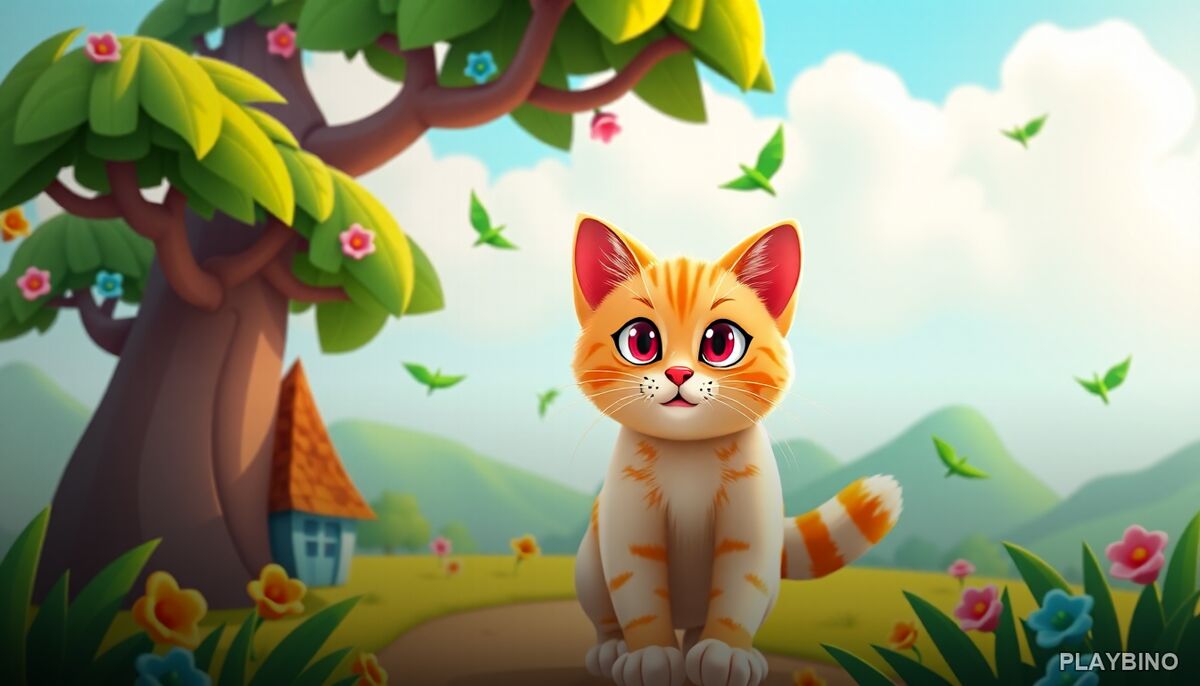
At first glance, Cat Face looks like a casual game built around cute illustrations. The moment you start a level, though, the real challenge becomes clear. Each tile on the grid holds a feline expression, and surrounding arrows dictate exactly which direction that face must point. Your job is to rotate each tile until every cat aligns with its assigned direction. Get them all right, and the puzzle clears.
The logic is clean and immediately understandable, which is part of what makes this spatial reasoning puzzle so satisfying to pick up. There are no timers forcing rushed decisions, and no hidden mechanics to decode. The constraint is the grid itself, and the arrows are your only guide.
Spatial Reasoning Under the Hood
Rotating a single tile sounds trivial. Rotating a full grid of tiles while keeping track of how each one relates to its neighbors is a different matter entirely. Cat Face builds its difficulty around that gap.
Reading the Arrows
Each tile has one or more directional indicators placed around its edges. These arrows tell you the required orientation of the cat face on that tile. Early levels use simple single-direction arrows that leave little ambiguity. Later stages introduce more complex indicator patterns that require you to cross-reference multiple tiles before committing to a rotation.
Pattern Recognition Over Guessing
Randomly rotating tiles rarely works past the first few levels. The game rewards players who scan the full grid before touching anything. Identifying anchor tiles — those with the most obvious correct orientation — and working outward from them is a reliable approach. It mirrors the logic used in many brain puzzle formats, where establishing fixed reference points makes the rest of the solution easier to see.
How Difficulty Scales Through the Levels
The early stages function almost as a tutorial, giving you small grids with straightforward arrow layouts. As you advance, the grids grow larger and the arrow configurations become less immediately readable. Some tiles require multiple rotations, and the correct answer is not always the most visually intuitive one.
The progression feels deliberate rather than punishing. Each new layer of complexity is introduced gradually, giving your spatial reasoning time to adapt before the next challenge arrives. Players who enjoy logic and brain puzzles will find the middle and later stages genuinely engaging without feeling unfair.
The Visual Design and Its Role in Gameplay
The whimsical cat illustrations do more than add charm. Because each face has a clear directional quality — eyes, nose, and expression all pointing a specific way — reading the correct orientation becomes a visual exercise rather than an abstract one. The art style actively supports the puzzle mechanic instead of just decorating it.
Colorful tile designs also help distinguish between different face states at a glance, which reduces the mental load when scanning a busy grid. The lighthearted aesthetic keeps the experience from feeling like a dry logic exercise, even when the puzzles demand real concentration.
Who This Game Suits
- Players who enjoy quiet, single-player puzzle formats without time pressure
- Anyone drawn to spatial reasoning and visual pattern challenges
- Casual browsers looking for something mentally engaging in short sessions
- Puzzle enthusiasts who want difficulty that builds gradually rather than spikes suddenly
If tile-sliding and image reconstruction appeal to you as a format, the Sliding Anime Puzzle is a comparable challenge worth exploring alongside Cat Face.
Strategy That Actually Helps
A few habits make a noticeable difference across levels. Start by identifying any tile where the arrow direction is unambiguous and rotate it first. Use those solved tiles as orientation anchors for adjacent ones. Avoid rotating tiles randomly and then trying to work backward — the grid becomes harder to read the more unsettled tiles you introduce at once.
On larger grids, mentally divide the board into quadrants and solve one section at a time. This keeps the cognitive load manageable and prevents you from losing track of which tiles you have already confirmed. Cat Face on PlayBino rewards methodical thinking over speed, so patience is a genuine advantage here.