Clue Hunter: Logic Puzzles and Hidden Evidence in Every Case
What Kind of Game Is This?
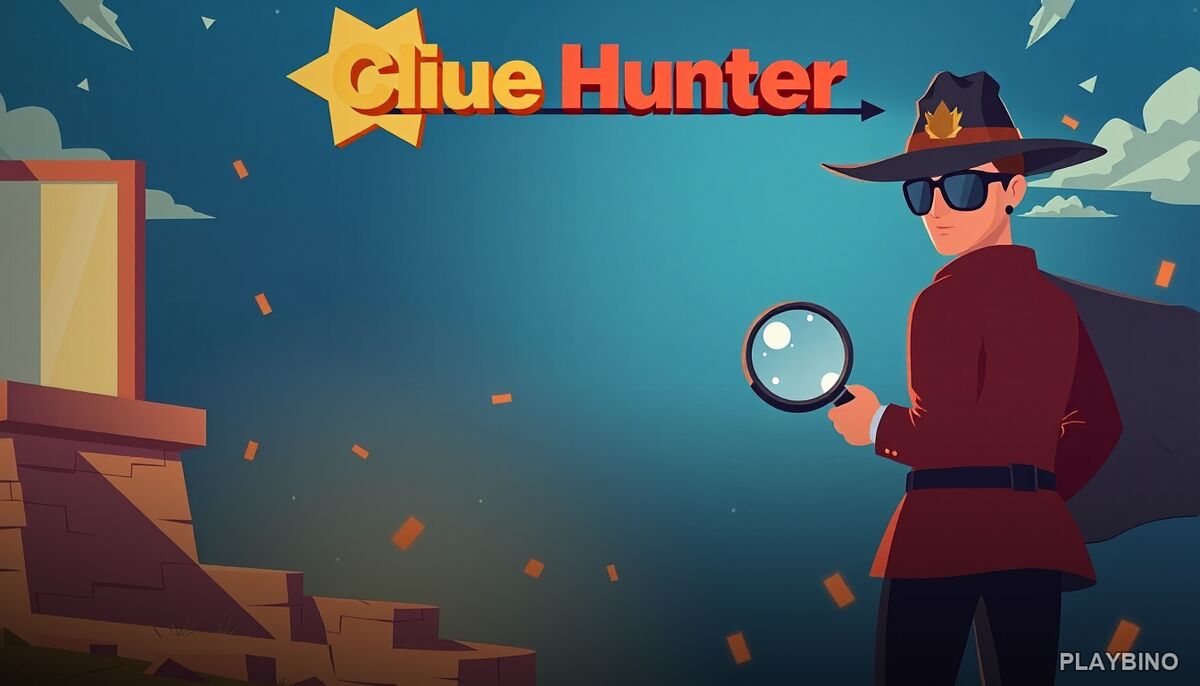
Clue Hunter is a single-player logic and brain puzzle game where you step into the role of an investigator piecing together visual evidence across five distinct cases. Each scenario drops you into a scene filled with objects, details, and subtle inconsistencies that only careful observation will reveal. The challenge is not about speed — it is about noticing what others would walk past.
If you enjoy methodical puzzle experiences that reward patience and sharp thinking, this browser investigation game delivers exactly that kind of mental workout across a compact but varied set of mysteries.
How the Investigation Works
Each case presents a visual scene packed with interactive elements. You examine the environment, click on objects, and look for relationships between items that seem unrelated at first glance. The core mechanic is deduction: you gather fragments of information and connect them into a logical conclusion.
Reading the Scene
The scenes are designed to mislead. Some details are obvious decoys, while the actual clues are tucked into corners or hidden behind expected patterns. The game trains you to slow down and question everything visible rather than jumping to the first plausible answer.
Connecting the Evidence
Once you have gathered individual clues, the real puzzle begins. Linking two or three seemingly separate observations into a single coherent conclusion is where Clue Hunter separates itself from simpler hidden-object games. The logic layer on top of the observation layer makes each case feel like a genuine deduction exercise.
Case Progression and Difficulty
The five cases are structured to build on each other. Early investigations introduce the mechanics gently, letting you get comfortable with how evidence is presented and how interactions work. As you advance, the scenes become denser, the misleading details multiply, and the logical leaps required grow more demanding.
By the later cases, you will need to hold multiple pieces of information in mind simultaneously and test different interpretations before the solution clicks. The escalation feels deliberate rather than arbitrary, which keeps the challenge satisfying rather than frustrating.
What Makes the Design Work
The minimalist interface is a deliberate choice. There are no cluttered menus, no distracting animations competing for attention, and no unnecessary UI elements pulling focus away from the mystery. Everything on screen exists for a reason, which means every detail is potentially meaningful.
- Five cases with distinct visual themes and scenarios
- Observation-based gameplay requiring pattern recognition
- Multi-step logical deduction rather than simple item collection
- Clean interface that keeps focus on the puzzle itself
- Difficulty that scales naturally across the case sequence
This restraint in design is what makes the brain puzzle format work here. When the environment itself is the puzzle, visual noise is the enemy of good design.
Strategy and Approach
Start Broad, Then Narrow
Resist the urge to interact with the first object that catches your eye. Scan the entire scene first. Build a mental map of what is present before you start drawing conclusions. Players who rush the observation phase tend to miss the detail that unlocks the whole case.
Question Obvious Answers
If a solution presents itself too quickly, treat it with suspicion. Clue Hunter is built around the idea that the obvious interpretation is rarely the correct one. The cases are designed to reward players who push past the surface reading of a scene.
A Comparable Brain Challenge Worth Exploring
Players who find this style of logic puzzle engaging will likely appreciate another brain-focused challenge that tests decision-making and lateral thinking in a different format. Both games share the same core appeal: they demand active thinking rather than passive clicking.
Clue Hunter is available to play directly in your browser on PlayBino, with no downloads or installations required. If you like puzzles that make you genuinely think rather than simply react, the five cases here offer a focused and rewarding experience.
"