Coastal Defense: Strategy Guide for Holding the Shore
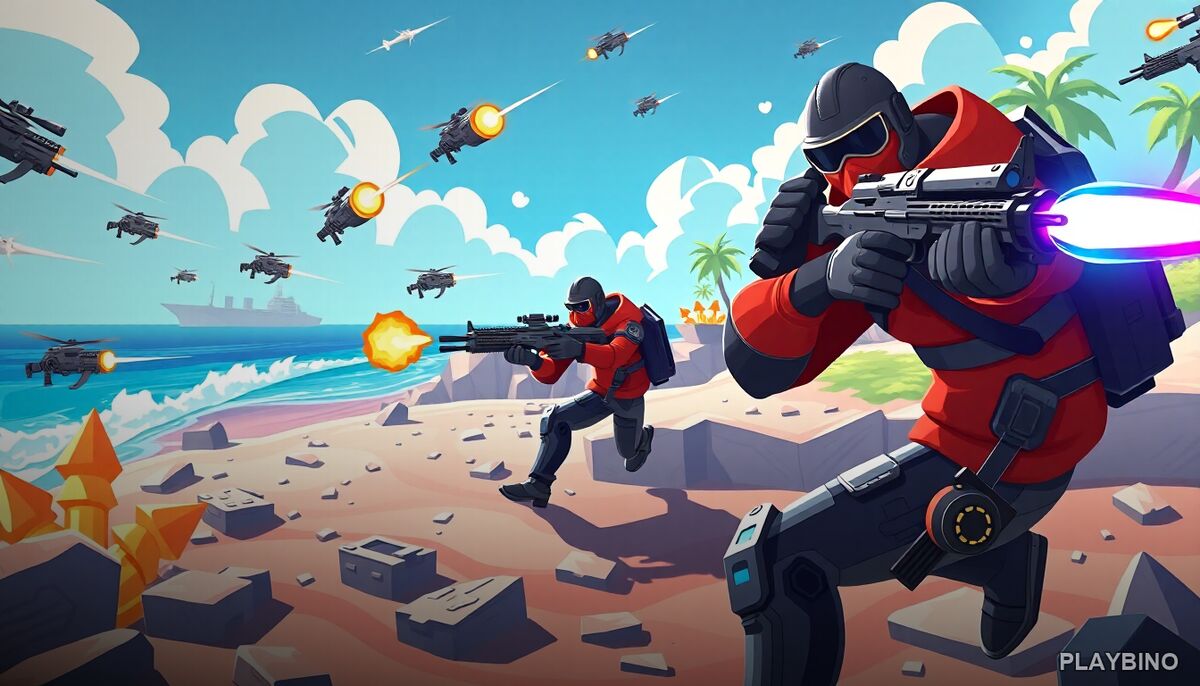
What the Game Is About
Enemy forces are coming from the sea and the sky, and your job is to stop every last one of them. Coastal Defense puts you in command of a beachhead under constant pressure, asking you to build, upgrade, and adapt your defensive line before each new wave overwhelms you. The threat changes with every round, which means no single setup carries you through the whole campaign.
You can play it directly in your browser without any downloads, making it easy to jump into a quick session or grind through several waves in one sitting.
Tower Placement and Threat Matching
The core loop is straightforward: earn resources by surviving waves, then spend them on new towers or upgrades before the next assault begins. But the real challenge is reading what the enemy sends and responding with the right counter.
Airborne vs. Ground and Sea Units
Anti-aircraft towers are useless against armored boats, and coastal cannons cannot track fast-moving planes. The game forces you to maintain a mixed defense at all times. Ignoring one threat type even briefly can open a gap that costs you the entire position.
Positioning Along the Perimeter
Placement matters as much as tower type. A machine gun nest covering a narrow chokepoint is far more effective than one sitting in open ground with limited range overlap. Stacking overlapping fire zones on the most likely approach routes is a reliable early-game strategy, though later waves will probe for weak spots.
Resource Management Under Pressure
Every victory pays out resources, but the temptation to spend everything immediately is a trap. Saving for a heavy artillery upgrade at the right moment can be more valuable than flooding the field with cheaper towers. The economy side of this tower defense game is subtle but meaningful — players who ignore it tend to hit a wall around the mid-game when enemy units get significantly tougher.
Balancing expansion versus reinforcement is a recurring decision. Spreading your perimeter too thin leaves you vulnerable. Concentrating everything in one zone leaves other angles exposed.
How Difficulty Escalates
Early waves feel manageable. The enemy tests basic defenses with light infantry and small boats. By the middle stages, armored units and coordinated air-and-sea attacks arrive simultaneously, demanding faster decisions and more precise tower combinations. The game does not telegraph every threat type in advance, so experienced players learn to keep reserve resources for emergency upgrades rather than spending everything between waves.
- Light infantry and patrol boats in early waves
- Armored units requiring heavy artillery in mid-game
- Air and sea combined assaults in later stages
- Adaptive enemy routing that exploits defensive gaps
Strategy Tips That Actually Help
A few habits separate players who stall out from those who push deep into the later waves. First, always have at least one anti-aircraft tower operational before wave two — air units arrive earlier than most new players expect. Second, prioritize upgrade paths on towers covering high-traffic lanes rather than building new towers in low-traffic areas. Third, watch where enemies are breaking through after each wave and adjust before the next one begins rather than reacting mid-wave.
Upgrade Priority
Not all upgrades are equal. Range extensions on coastal cannons often outperform raw damage upgrades in open-water lanes because they allow earlier interception. Machine gun nests benefit more from fire rate upgrades when facing fast-moving infantry swarms.
A Similar Strategy Experience
If the layered tower defense format appeals to you, Kingdom Rush — another deep strategy challenge in the same genre — takes a fantasy approach to similar mechanics with its own upgrade trees and wave management systems. Both games reward careful planning over reactive spending.
Coastal Defense is available on PlayBino alongside dozens of other browser strategy titles, making it easy to find your next challenge after clearing the shore.