Color Fun For Kids: Paint-by-Numbers Brain Game for Young Players
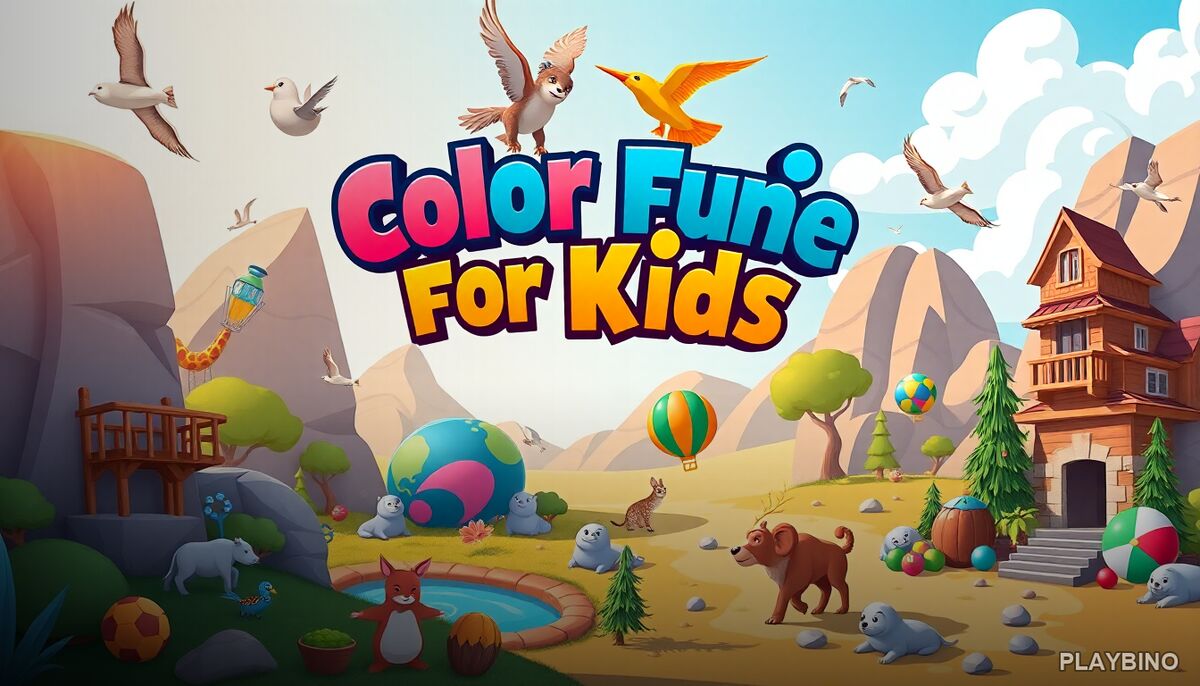
What the Game Is About
Color Fun For Kids takes the classic paint-by-numbers concept and brings it into a browser-friendly format built around simplicity and calm progression. Each illustration is divided into numbered sections, and each number maps to a specific color. Children tap a section, pick the matching color, and watch the image gradually fill in. There is no timer, no penalty for wrong taps, and no pressure — just the satisfying process of completing a picture one piece at a time. You can try it directly in your browser without any setup or download.
How the Numbered System Works
The numbered coloring mechanic is the core of the experience. Every region in an image carries a number, and that number corresponds to a color shown in a palette at the bottom or side of the screen. Young players learn to match the number on the canvas to the number on the color palette, then tap to fill. This removes the guesswork completely — children do not need to decide which color goes where. The structure supports focus and color recognition without creating frustration.
Filling Sections
Tapping a numbered area fills it instantly with the correct shade. The image reveals itself progressively, which keeps children engaged as they see their work taking shape. Larger illustrations may have many small sections, while simpler ones are quicker to complete — making the game accessible across different attention spans and age groups.
No Wrong Moves
Because every section already knows its correct color, there is no way to make a mistake in the traditional sense. This design choice matters for younger players who are still building confidence. The game removes the anxiety of getting something wrong and replaces it with a steady sense of accomplishment.
What Children Are Coloring
The illustration library includes animals, everyday objects, and simple scenes. These familiar subjects keep young players interested and give parents recognizable, age-appropriate content. Completing an animal or a scene feels rewarding because children can identify what they have painted, which reinforces both the coloring activity and basic vocabulary around colors and objects.
Brain and Coordination Benefits
While the game stays light and accessible, it quietly supports a few developmental skills. Matching numbers to colors builds early number recognition. Tapping specific regions on a screen develops basic hand-eye coordination. The sequential nature of filling in a picture — section by section — encourages patience and the ability to follow a structured process. These are soft puzzle and brain skills wrapped inside a creative activity rather than a formal exercise.
- Color recognition through numbered matching
- Basic number familiarity from reading section labels
- Hand-eye coordination from tapping precise areas
- Patience and focus through step-by-step completion
- Visual reward as the full image is revealed
Who This Game Suits
Color Fun For Kids works well as a quiet activity for children aged roughly three to seven, though older kids who enjoy coloring will find it just as relaxing. It fits naturally into short play sessions — a few minutes at a time is enough to complete a picture or make visible progress. Parents looking for a screen activity that is calm, constructive, and free of competition will find this a comfortable choice. PlayBino hosts it alongside other browser-friendly games that do not require accounts or installations.
Children who enjoy structured creative activities may also respond well to word-based learning games. Spelling Words on PlayBino — another early-learning browser challenge — takes a similar approach to building foundational skills through simple, low-pressure interaction.
Pacing and Replay Value
Each completed image gives a clear sense of closure, which is satisfying for young players. The variety of illustrations means children can return to the game and encounter new pictures rather than repeating the same content. The calm pacing, combined with the visual payoff of a finished artwork, makes this a game that children are likely to return to on their own rather than needing encouragement to continue.