Combat Koloboks: Strategy, Units, and PvP Tactics Explained
What Kind of Game Is This?
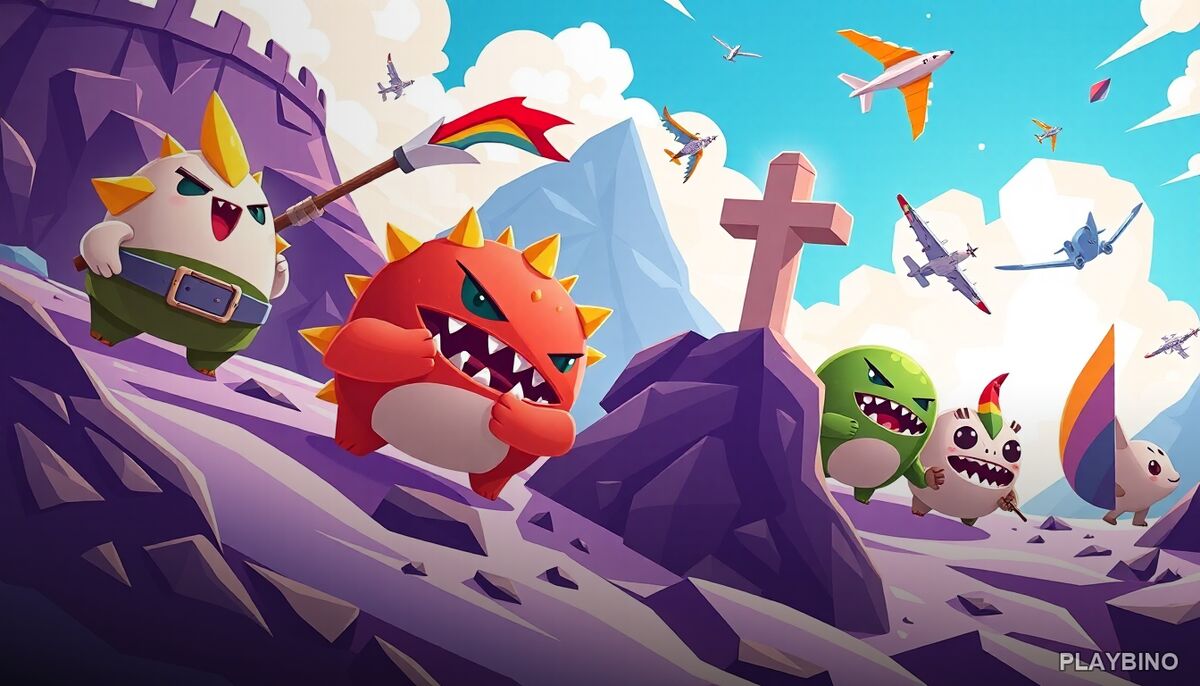
On the surface, Combat Koloboks looks like a joke — round, wobbly little creatures lining up to fight each other in cartoonish formations. But spend a few minutes actually playing this browser strategy and the depth starts to show. Unit positioning matters. Resource timing matters. Reading what your opponent is doing and adjusting on the fly matters. The silly art style is doing a lot of work to disguise a game that rewards real thinking.
Resource Management and Unit Spawning
The core loop revolves around currency earned through combat. Every kolobok you send into battle costs resources, and spending carelessly means your front line collapses right when the pressure peaks. You have to balance aggression with patience — pushing when you have the advantage, holding back when your reserves are low.
Timing Your Spawns
Spawn timing is one of the most important skills to develop. Sending units too early wastes currency on fights you could win with fewer troops. Waiting too long lets enemy waves build momentum. The sweet spot is reading the battlefield rhythm and committing at the right moment rather than reacting after things have already gone wrong.
Unit Combinations
Different kolobok types carry different strengths — some are better at absorbing damage, others deal burst hits or move faster across the field. Figuring out which combinations hold up against specific enemy wave patterns is a genuine puzzle. There is no single lineup that works every time, which keeps the strategic layer fresh across multiple matches.
Multiplayer and PvP Depth
Single-player missions teach the mechanics, but the PvP multiplayer mode is where Combat Koloboks becomes genuinely unpredictable. Human opponents adapt, bluff, and switch strategies mid-match in ways that AI waves simply do not. A build that steamrolls the campaign might fall apart against a real player who has figured out a counter. That unpredictability is what gives the competitive side its replay value.
- Real opponents force faster decision-making under pressure
- Strategies that feel safe in solo play get punished in PvP
- Matches stay short enough that losing one round does not feel costly
- Winning through a well-timed counter-push feels genuinely earned
Visual Style and Game Feel
The cartoon presentation does more than just look charming — it actively reduces the frustration of losing. Watching tiny round soldiers bounce around the battlefield keeps the tone light even when a match gets competitive. Animations are expressive enough that you can read what is happening at a glance without needing a tutorial overlay. It is a good example of visual design serving gameplay rather than just decorating it.
Who This Game Suits
Combat Koloboks sits in a comfortable space between casual and strategic. The learning curve is gentle enough that new players can start making reasonable decisions quickly, but there is enough tactical variety that experienced strategy fans will find something to refine. If you enjoy PvP games where small decisions compound into big outcomes, this one delivers that in a package that never takes itself too seriously.
Boom Push — another competitive browser challenge on PlayBino — is worth a look if you want something with a similarly quick match structure and real-time decision pressure.