Craft Theft War: Voxel Combat Meets Open-World Strategy
What Kind of Game Is This?
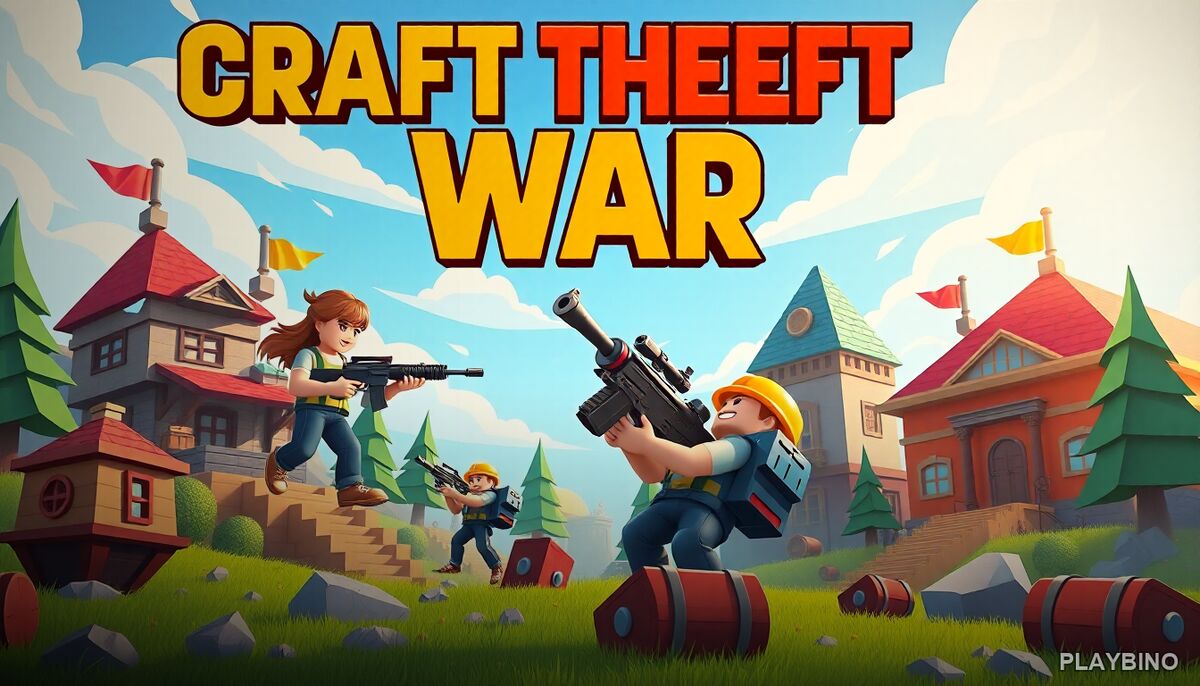
Craft Theft War drops you into a pixelated open world where construction and combat share equal weight. The voxel art style immediately sets the tone — cube-based terrain, blocky characters, and a sandbox layout that invites both building and fighting. Unlike pure shooters or pure builders, this one demands you balance both at once. You can jump into the action on PlayBino directly in your browser without any downloads.
The competitive multiplayer format means every session is shaped by the other players on the server. Some will rush you early. Others will fortify quietly and strike later. That unpredictability is the core tension that keeps the game interesting across multiple runs.
The Core Loop: Resources, Structures, and Rivals
Each match starts with resource gathering. You move through the landscape collecting materials that feed your construction efforts. Building isn't optional here — it's how you survive. Walls, barriers, and elevated positions give you real advantages in firefights.
Fortifying Your Position
Choosing where to build matters as much as how fast you build. High ground offers better sightlines during PvP encounters. Enclosed structures protect you from flanking. But over-committing to one location leaves you vulnerable if rivals push aggressively or cut off your resource supply.
When to Fight vs. When to Build
The tension between combat and construction is constant. Engaging a rival player costs you time you could spend fortifying. Ignoring them costs you territory. Reading the server — how many players are active, where the action is clustering — helps you decide when to fight and when to retreat and build.
Combat Mechanics and Shooting Feel
The shooting in Craft Theft War is straightforward and readable, which suits the voxel aesthetic well. Busy encounters don't turn into visual chaos because the blocky graphics keep everything distinct. Aiming, movement, and positioning form the triangle of skill in direct confrontations.
PvP fights reward players who control space. If you've built smart, you fight from cover. If you've been caught in the open, movement and reaction speed become your main tools. The action stays fast enough to feel exciting without requiring frame-perfect precision.
Strategy Approaches Worth Trying
- Rush and disrupt: Push rival players early before they establish defenses, keeping them reactive instead of proactive.
- Turtle and expand: Build a solid base first, then extend your territory once you have a defensible core.
- Scout and ambush: Stay mobile, gather intel on where other players are building, and strike at weak points.
- Resource denial: Contest key material zones to slow down rival construction and limit their options.
No single approach dominates every session. The right strategy shifts depending on how many players are on the server and how aggressively they play.
Who This Game Suits
Players who enjoy action-strategy hybrids will find a lot to work with here. The sandbox freedom means you're never locked into one role. If you prefer shooting, lean into the PvP side. If you prefer building, you can play a more defensive game and still compete. The multiplayer format adds replayability that single-player sandbox games can't match.
If blocky first-person shooters appeal to you, Counter Craft offers a comparable voxel combat experience worth exploring alongside this one.
Session Length and Replayability
Individual sessions are open-ended enough that matches can run short or long depending on how quickly the server heats up. The variability in player behavior means no two runs feel identical. Building a different structure each time, or trying a new combat approach, extends the game's lifespan naturally without needing unlocks or progression systems to carry it."