Crafty Town Merge City: Building, Merging, and Growing Your Skyline
What Kind of Game Is This?
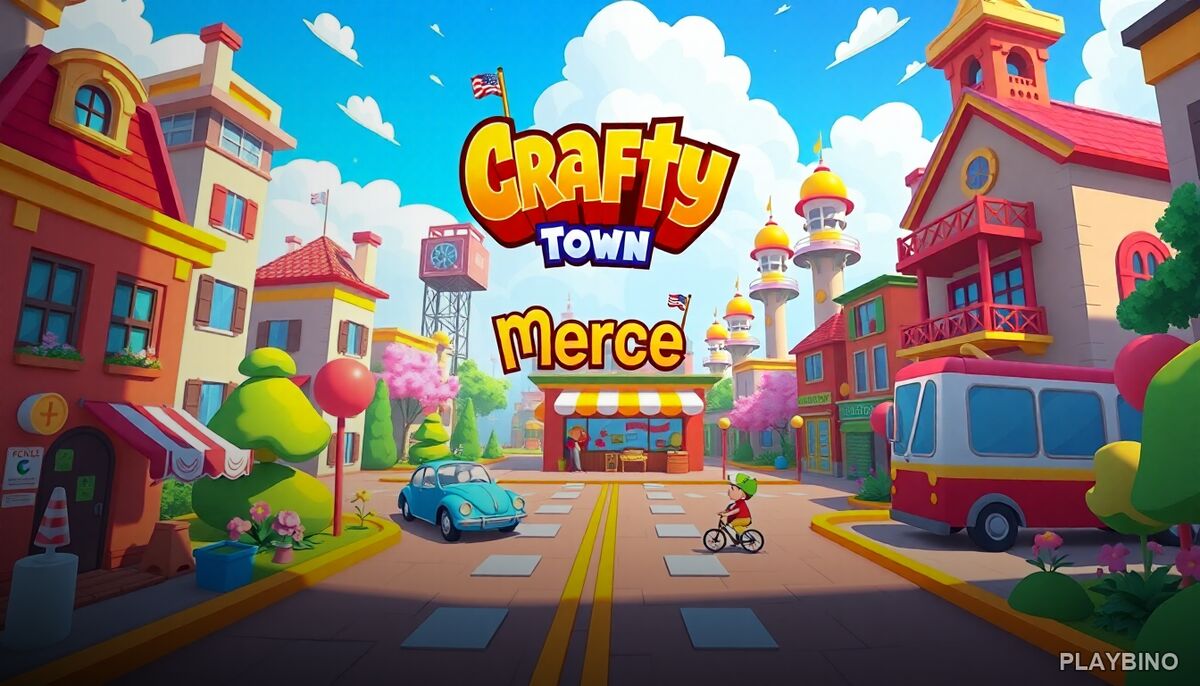
Crafty Town Merge City sits at the crossroads of puzzle logic, idle progression, and city simulation. You start with a bare plot of land and a handful of basic structures. The core action is simple: place matching buildings next to each other to merge them into something larger and more valuable. Repeat that process across your grid, and a modest settlement slowly transforms into a layered, living skyline.
It plays like a puzzle because placement genuinely matters. Rushing without thinking leads to a cluttered grid where merges become harder to execute. Taking a moment to plan which structures go where keeps the board open and the progression flowing. The browser edition runs smoothly without any downloads, making it easy to pick up during a break or settle into for a longer session.
The Merge Loop and Why It Hooks You
The satisfaction in this game comes from compounding decisions. A basic workshop merged once becomes a slightly better structure. Merged again, it unlocks something far more impressive. That chain reaction — small inputs producing outsized results — is what keeps the idle loop engaging rather than passive.
Resource Flow
Buildings generate resources over time, which feeds back into unlocking new structures to place and merge. Managing that flow means you're never just waiting. There's usually something to collect, a merge to complete, or a new tile to think about. The idle element means progress continues even when you step away, but active play consistently moves things forward faster.
Grid Management
Space is the real constraint. Every tile you fill is a tile that can't be used for something else. Keeping a few open slots available gives you room to maneuver when new buildings arrive. Tight grids stall progress quickly, so part of the strategy is resisting the urge to fill every space immediately.
Progression and What You're Building Toward
The game's structure rewards patience. Early merges produce modest upgrades, but further along the chain, buildings become visually richer and mechanically more productive. There's a clear sense of escalation — each tier of structure feels like a genuine milestone rather than a cosmetic change.
The simulation side shows in how the town starts to look like a coherent place rather than a random collection of tiles. Arranging things intentionally, even beyond pure efficiency, adds a creative dimension that pure puzzle games usually lack. Players who enjoy both the logic of optimization and the aesthetic of building something that looks right will find that balance here.
Who This Game Suits
- Players who enjoy idle games but want more active decision-making between downtime periods.
- Puzzle fans who like spatial thinking and grid management rather than traditional match-3 formats.
- Anyone drawn to city-building simulation but looking for something lighter and browser-accessible.
- People who prefer low-pressure progression with no timers forcing rushed choices.
My Purrfect Cat Hotel shares a similar relaxed management rhythm — if that kind of idle simulation appeals to you, that comparable experience is worth a look alongside this one.
Pacing and Session Length
One of the more thoughtful aspects of Crafty Town Merge City is how well it scales to different session lengths. A five-minute check-in lets you collect resources, execute a couple of merges, and set things up for later. A longer session rewards deeper planning — reorganizing the grid, chasing a specific building tier, or simply watching the town develop in a more deliberate way.
There's no penalty for stepping away, and no urgency when you return. That design choice keeps the experience genuinely relaxing rather than obligation-driven, which is rarer in the idle genre than it should be. PlayBino hosts the game directly in-browser, so there's no barrier between the idea of playing and actually starting.
Strategy That Makes a Difference
Prioritize Merges Over Placement
When the grid starts filling up, focus on completing merges before placing new structures. Clearing space is more valuable than adding more buildings when room is limited.
Let Idle Generation Work
Don't feel pressured to interact constantly. Letting resources accumulate between sessions means you return with more to work with, which often unlocks a burst of merges that would have taken longer to set up manually.
The puzzle and simulation layers reinforce each other well here — strategic thinking speeds up what would otherwise be a slow idle crawl, and the idle mechanics reward players who plan ahead rather than reacting moment to moment. PlayBino's version runs without friction, keeping the focus on the building rather than the browser.