Crazy 3: Physics Puzzles, Stickman Combat, and Chain Reactions
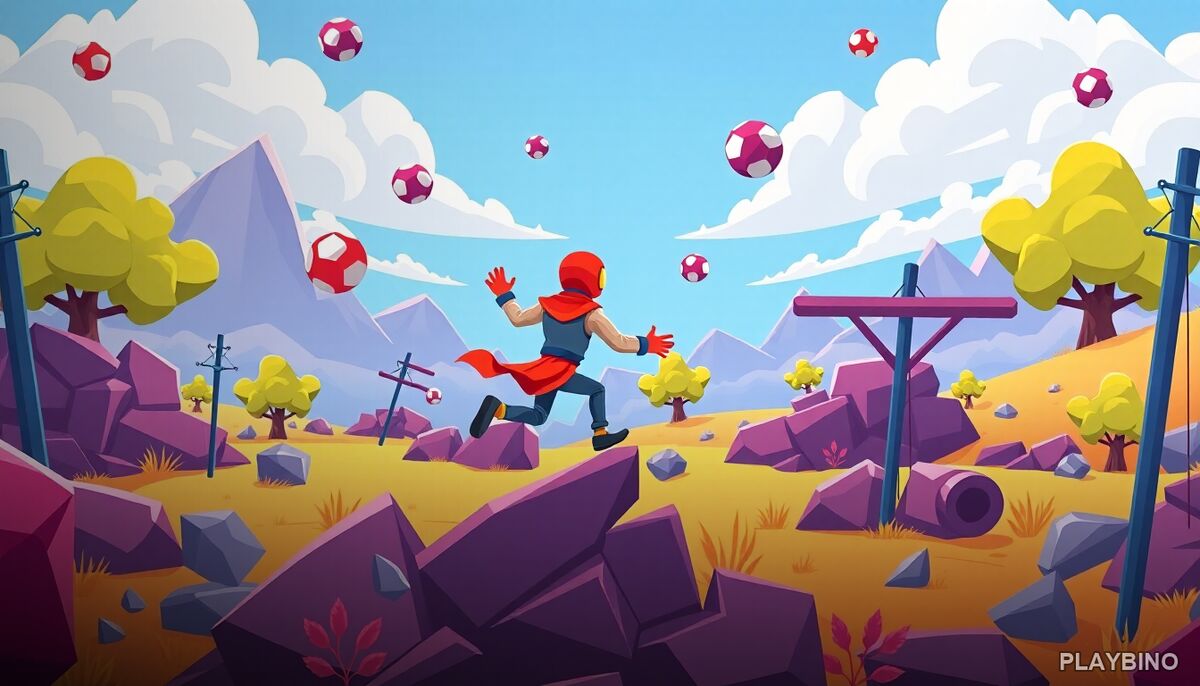
What Kind of Game Is Crazy 3?
Crazy 3 sits at the crossroads of physics puzzler and stickman action. Every level presents a scene filled with objects, enemies, and environmental elements that all obey the same gravity rules. Your job is to manipulate that environment — dropping things, triggering reactions, building paths — until the stage is cleared. Play it directly in your browser and the first thing you notice is how tactile the physics feel, even in a simple cartoon wrapper.
It is a single-player experience that rewards observation before action. Rushing rarely works. The more you study the layout of a level, the more obvious the right sequence of moves becomes — though "right" is a loose term here, since most stages support several valid approaches.
How the Physics Engine Shapes Every Decision
The core mechanic is cause and effect. Drop a heavy object and it falls with weight. Push something into a stack and the stack collapses in a direction that depends on balance. Chain reactions are not just possible — they are often the intended solution. A single well-placed action can clear multiple obstacles in one go.
Object Interaction
Different objects behave differently. Some are rigid, some roll, some bounce. Learning how each type responds to force is part of the puzzle. Early levels introduce these properties gradually, so by the time complexity increases, you already have a working mental model of the physics system.
Enemy Placement and Hazards
Stickman enemies are not just targets — they are also part of the physics simulation. You can knock them with falling debris, push them off platforms, or use them as counterweights. The combat element adds an action layer on top of the puzzle logic, which keeps the gameplay from feeling purely cerebral.
Level Structure and Progression
Hundreds of levels are organized into difficulty tiers. Early stages are short and straightforward, designed to teach mechanics without frustration. Mid-game levels introduce more complex arrangements where the order of operations starts to matter. Later stages require you to think several steps ahead before touching anything.
The progression feels steady rather than sudden. Difficulty climbs in small increments, which means you are rarely stuck on a wall — but you are also rarely coasting. The cartoon art style keeps visual noise low, so your attention stays on the puzzle geometry rather than decorative detail.
Strategy and Experimentation
Because multiple solutions exist for most levels, there is real value in trying unconventional approaches. If the obvious path fails, look for objects you have not used yet. Sometimes the solution involves an item sitting in a corner that seemed irrelevant. The open-ended design actively encourages this kind of lateral thinking.
- Scan the full level before making any move
- Identify which objects are movable and which are fixed
- Look for elevated items that could trigger falls or chain reactions
- Use enemies as part of the solution, not just as obstacles
- If a sequence fails, try reversing the order of actions
Boom Stick Bazooka 2 Puzzles follows a similar logic of using projectile physics to clear stickman-filled stages — that puzzle experience is worth exploring if you enjoy this style of physics-based problem solving.
Who This Game Suits
Crazy 3 works well for players who like action games but want a thinking layer underneath the chaos. It is not a reflex-heavy title. The pace is set by you. You decide when to act, and the satisfaction comes from watching a well-planned sequence execute cleanly. Players who enjoy sandbox-style puzzle games, stickman action, or physics simulators will find a lot to engage with across the full level roster on PlayBino.