CubDash: Precision Dashing and Endless Runner Strategy
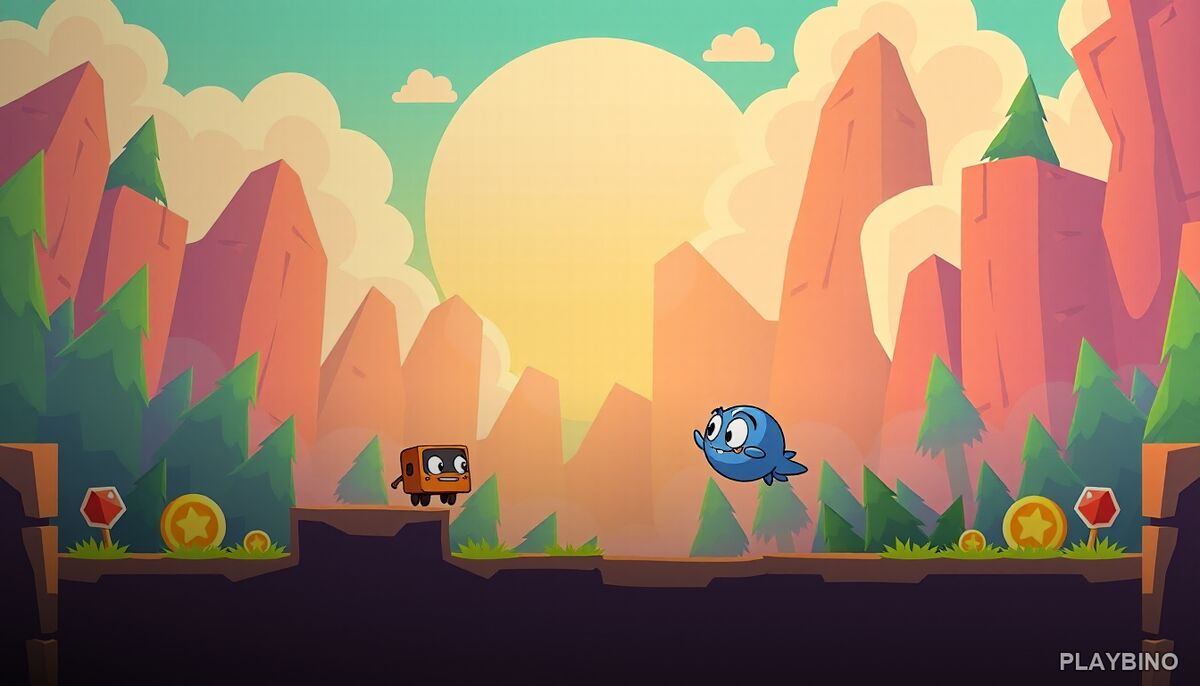
What CubDash Actually Is
CubDash sits at the crossroads of precision platforming and high-speed arcade action. You're not just running — you're chaining dashes through increasingly punishing courses where a single mistimed move resets your momentum entirely. The game strips away menus, cutscenes, and clutter, leaving only the course ahead and the split-second decisions that define each run. If you want to feel what that pressure is like firsthand, play it directly in your browser and see how far your first attempt takes you.
The Core Dash Mechanic
The central action is deceptively simple: dash at the right moment. But the game builds layers of complexity around that one input. Early levels teach you the rhythm — obstacles arrive at predictable intervals, and the timing window feels generous enough to build confidence. That changes fast.
Timing Windows
As courses grow more demanding, the margin for error shrinks. Hazards begin overlapping, forcing you to commit to a dash before you can fully see what comes next. Reading the pattern ahead of your current position becomes as important as the physical execution. Players who try to react in real-time consistently fall behind those who learn to anticipate.
Chaining Movement
Momentum is the reward for clean execution. Landing dashes back-to-back without breaking stride creates a satisfying flow state that the game actively encourages. Interrupting that chain — even slightly — costs you speed and forces a recovery that the next obstacle may not give you time to complete.
How Difficulty Scales
CubDash doesn't introduce new hazard types all at once. Each level adds one or two new elements while keeping familiar ones in the mix. This layered approach means you're never overwhelmed by something completely foreign, but you're always dealing with combinations you haven't seen before. Spikes, gaps, moving barriers, and timed obstacles each demand a slightly different response, and the game starts mixing them aggressively once the early stages are behind you.
The Restart Loop and Why It Works
One of the most effective design choices here is how fast the game puts you back into action after a failure. There's no loading screen, no lengthy animation, no penalty screen. You fail, and within seconds you're running again. This tight restart loop transforms what could feel like frustration into something closer to determination. Each attempt carries the memory of the last one, and small improvements — shaving a corner, clearing a gap more cleanly — register as genuine progress even without a score counter telling you so.
- Instant restarts keep the pace high between attempts
- No lengthy failure animations or cooldowns
- Personal records give each run a concrete goal
- Obstacle patterns repeat enough to be learnable
Strategy for Longer Runs
Surviving deeper into a CubDash run requires more than fast reflexes. Pattern recognition is the real skill being tested. Spending a few attempts studying a difficult section rather than brute-forcing it tends to produce faster improvement. Watch where hazards originate, identify the safest dash angle, and commit to that path consistently rather than improvising each time.
Players who enjoy this kind of reflex-and-pattern challenge often find similar satisfaction in endless runner games built around corridor navigation and obstacle timing. Roblox Run 3d takes a comparable approach — if that style appeals to you, another endless runner worth exploring is covered in detail on PlayBino.
Who Plays CubDash
The game rewards patience as much as speed. Someone who enjoys chasing cleaner runs rather than just completing levels will find the most value here. The arcade structure means sessions can be as short as two minutes or stretch much longer depending on how deep a particular obstacle section pulls you in. There's no story to follow or currency to collect — just the course, your timing, and the next attempt.