Dark War: Combat, Strategy, and Survival Against Demonic Forces
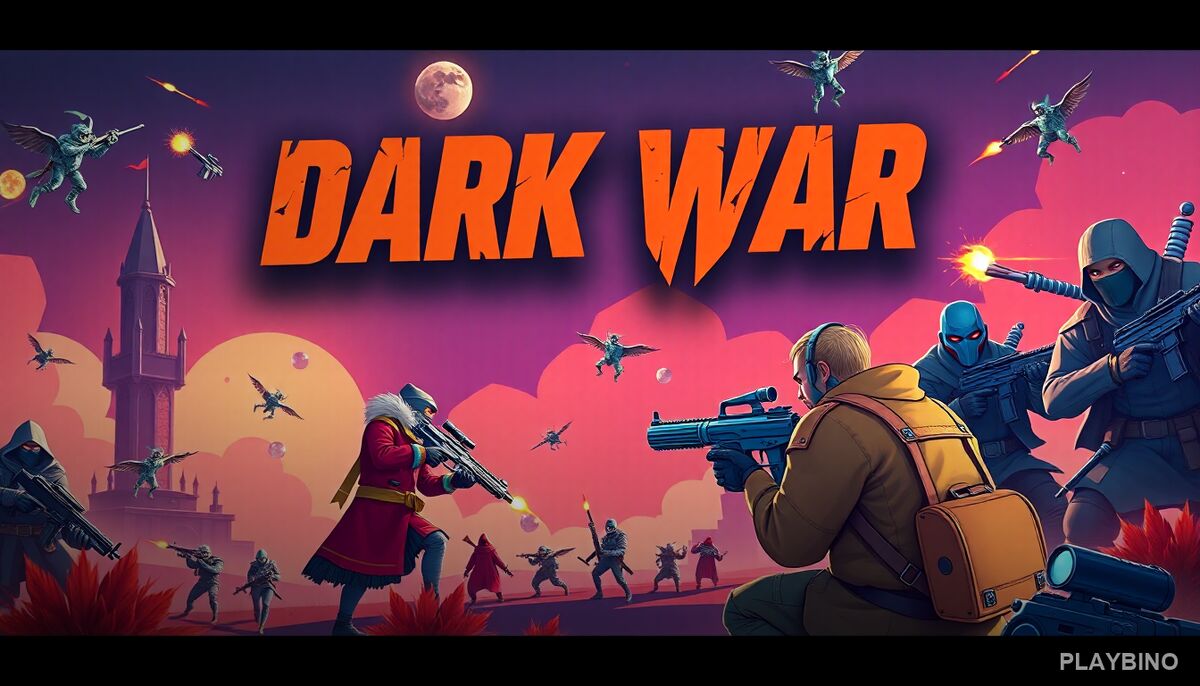
The World You're Dropped Into
Dark War doesn't ease you in gently. From the opening moments, the setting makes itself clear: a modern world where demonic forces have begun bleeding through into reality, and a secretive order of exorcists is the only thing standing between humanity and something genuinely catastrophic. The top-down perspective frames everything in shadow and tension, making even routine encounters feel like they carry consequences. If you want to experience the atmosphere firsthand, play it directly in your browser on PlayBino.
How Combat Actually Works
The combat system is where Dark War earns its reputation as an action-RPG rather than a simple shooter. Three distinct damage types sit within reach at any moment — melee swords, ranged firearms, and magical abilities — and the game rewards players who rotate between them rather than leaning on a single approach.
Mixing Weapon Types
Enemies in Dark War aren't passive targets. They reposition, counter, and push back hard if you stay predictable. Swords deal reliable close-range damage but leave you exposed. Firearms let you control spacing but burn through resources. Magic hits harder in the right situations but requires setup. Reading which combination fits each encounter is a genuine skill, not just a preference.
Staying Adaptive
The game doesn't telegraph enemy behavior in obvious ways. You'll need to observe attack patterns quickly, adjust your positioning, and switch tools mid-fight. That responsiveness is what makes the action feel alive rather than mechanical.
Boss Encounters and Pattern Recognition
Boss fights in Dark War are structured around attention and preparation rather than raw damage output. Each major enemy has identifiable weaknesses and attack sequences that punish repetitive play. Going in with the wrong loadout or ignoring visual cues leads to fast defeats. Going in prepared — with the right mix of abilities and an understanding of the fight's rhythm — turns those same encounters into satisfying tests of what you've learned.
These aren't roadblocks designed to slow progression. They function more like skill checks that confirm you've actually been paying attention to how your arsenal works together.
RPG Progression and Arsenal Growth
As you advance through missions, new abilities unlock and the tactical options expand. The progression in Dark War is designed so that each addition changes how you approach situations rather than simply inflating your numbers. A new magical skill doesn't just deal more damage — it opens angles of attack that weren't available before, or creates opportunities to chain abilities in ways that weren't possible earlier in the run.
- Melee, ranged, and magic abilities each scale through separate progression paths
- New unlocks shift tactical options rather than just boosting raw stats
- Boss patterns become more complex as the campaign advances
- Loadout decisions before missions influence how fights play out
That structure gives the RPG side of the game genuine weight. Choices feel meaningful because they affect the texture of combat, not just the numbers on screen.
Strategy Layer and Mission Planning
Beyond individual fights, Dark War asks you to think about resource management and loadout selection before entering missions. The strategy element isn't a separate mode — it's woven into preparation. Choosing which abilities to bring, how to balance offense against sustainability, and which enemy types you're likely to face shapes every run.
Mr Mage offers a different take on magic-based combat if the spellcasting side of Dark War is what appeals most to you — the two games share a focus on ability management but approach it from different angles.
Atmosphere as a Gameplay Element
The shadow aesthetic in Dark War isn't decorative. The visual tone reinforces the tension of every encounter, making the world feel genuinely hostile rather than just visually dark. Enemy designs lean into the demonic threat without becoming cartoonish, and the modern setting — ordinary locations corrupted by supernatural forces — gives the action a grounded quality that pure fantasy settings sometimes lack. That atmosphere sustains engagement across the full campaign in a way that pure mechanical challenge alone rarely achieves.