Design Diary Match 3 & Home: Puzzle Meets Interior Design
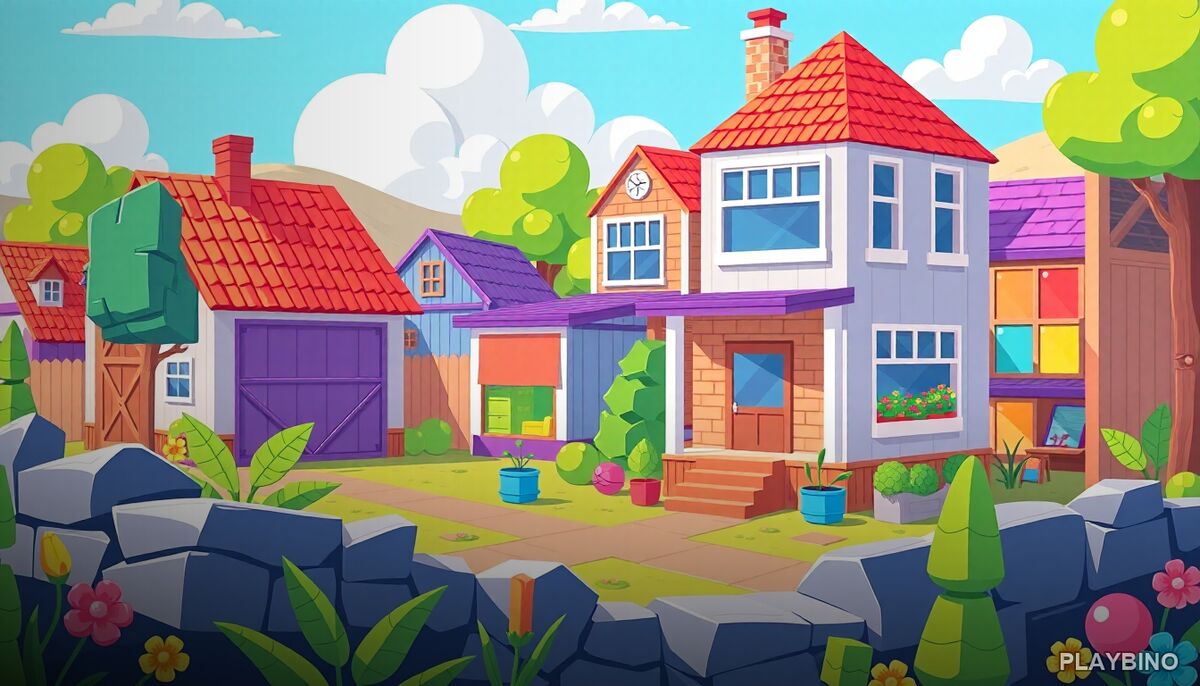
Two Games in One
Most match-3 puzzles give you tiles, a goal, and not much else. Design Diary Match 3 & Home adds a second layer that changes the whole rhythm: between every puzzle, you make real design choices. Paint colors, furniture styles, room layouts — each decision shapes a house that visually evolves as you progress. The result is a simulation puzzle that feels more personal than the average tile-swapper. You can play it directly in your browser without any download or account.
How the Puzzle Side Works
The core mechanic is straightforward — swap adjacent tiles to form matches of three or more. Clearing matches fulfills level objectives, which might involve collecting a certain number of specific tiles, removing obstacles from the board, or hitting a score threshold. Each completed level earns stars, and those stars are the currency that unlocks new décor options.
Move Limits and Obstacles
Early levels are forgiving, but the difficulty scales steadily. Move limits become tighter, and the board introduces blockers like locked tiles, layered obstacles, and sections that require multiple hits to clear. Planning a few moves ahead matters more than reacting tile by tile. Rushing through a board without a plan tends to waste moves fast.
Boosters and Larger Matches
Matching four or five tiles in a row — or forming an L or T shape — generates boosters. These range from row-clearing rockets to bombs that remove clusters of tiles. Knowing when to save a booster versus when to trigger it immediately is one of the more interesting decisions the game asks you to make. On harder levels, a well-timed booster can be the difference between three stars and a failed attempt.
The Renovation Loop
After clearing a level, the game shifts into its home design mode. You pick from two or three style options for a specific room element — a sofa shape, a wall color, a kitchen cabinet finish. There's no wrong choice here; it's purely about personal taste. This break from the puzzle pressure gives the game a comfortable rhythm. Solve, decorate, solve again.
New episodes introduce different properties: a beach house, a city apartment, a countryside cottage. Each location comes with its own visual palette and storyline, which keeps the renovation side feeling fresh rather than repetitive.
Strategy Tips
- Prioritize clearing obstacles near the bottom of the board — new tiles fall from the top, so freeing lower cells creates more chain reactions.
- Don't activate boosters immediately after earning them. Hold them until a level's objective becomes the bottleneck.
- On levels with move limits, count your remaining moves before committing to a sequence. Backtracking mentally costs nothing; backtracking on the board costs moves.
- When two objectives run simultaneously, focus on the harder one first. The easier objective often clears itself through normal play.
Who This Game Suits
The puzzle difficulty never spikes into frustration territory, which makes this a good fit for players who want mental engagement without punishing restarts. The design element appeals to anyone who enjoys simulation or creative expression alongside their puzzle-solving. It's not a hardcore logic game, but it's not mindless either — the obstacle variety and move limits keep the match-3 side genuinely engaging across many levels.
Fishdom Online follows a similar structure — match-3 puzzles tied to a secondary creative goal — and that browser puzzle experience is worth exploring if this format clicks with you. Both games use the same loop of earning rewards through tile-matching and spending them on visual customization, but each has its own setting and obstacle design.
Progression and Replay Value
PlayBino hosts the game with new episodes added over time, expanding both the puzzle count and the renovation locations. The star-rating system gives completionists a reason to replay earlier levels for a better score, while casual players can move forward without worrying about perfecting every stage. The combination of puzzle progression and design unlocks creates two parallel tracks of satisfaction, which is what keeps the format engaging well past the tutorial stages.