Dino Color: Match, Learn, and Play Through Colorful Puzzle Levels
What Dino Color Is About
Bright dinosaurs, vivid color palettes, and a simple matching mechanic make Dino Color a puzzle experience built specifically for young players. The game places children inside a cheerful world where the main task is identifying and connecting identical color pairs before the timer runs out. It sounds simple, and the early levels are — but the challenge grows steadily as new color combinations appear and the number of pairs on screen increases.
The game sits at the intersection of match-3 logic and memory training, asking players to spot, remember, and act quickly. You can play the browser version here without any download or setup.
Core Mechanics and Controls
The interaction model is straightforward: tap or drag matching color tiles together to form a correct pair. Each successful match awards points, and the running timer creates just enough pressure to keep players focused. The controls are touch-friendly and work equally well with a mouse, which makes the game accessible on both tablets and desktop browsers.
Matching Logic
Unlike traditional match-3 games where pieces fall in a grid, Dino Color asks players to actively select and connect pairs. This requires a moment of visual scanning before committing to a move, which is where the memory element comes in. Remembering where a specific color appeared earlier on the board becomes increasingly important as levels advance.
Timer Pressure
The timer is gentle by design. It adds urgency without punishing young players too harshly. Early stages give plenty of time to think, while later levels tighten the window enough to demand faster recognition. This graduated pressure keeps the experience engaging without tipping into frustration.
How Difficulty Progresses
Dino Color introduces new color combinations gradually. The first few levels use a small set of distinct, easy-to-separate colors. As players advance, similar shades appear together — light blue next to dark blue, for example — which sharpens visual discrimination. This progression makes the game genuinely educational rather than just decorative, training the eye to notice subtle differences between hues.
The dinosaur companions change and appear throughout the levels, giving children a sense of story and reward as they move forward. Each new stage feels like a small visual event rather than just a harder version of the previous one.
Skills It Builds
- Color recognition: Identifying and naming colors accurately under mild time pressure.
- Visual discrimination: Distinguishing between similar shades as difficulty increases.
- Hand-eye coordination: Tapping and dragging with precision on a touch or mouse interface.
- Short-term memory: Recalling tile positions to make faster matches.
- Focus and attention: Maintaining concentration across multiple rounds.
These aren't just incidental benefits — the game is clearly structured around them. Parents and educators looking for screen time that doubles as early learning practice will find the design intentional rather than accidental.
Who Plays This and Why It Works
The primary audience is young children in early learning stages, but the puzzle structure is clean enough that older players can enjoy it as a quick brain warm-up. The match-3 and memory tag combination means it appeals to anyone who likes light cognitive challenges without complex rules.
World of Alice Images and Words covers similar educational territory — that word and image challenge pairs well with Dino Color if you're building a set of browser-based learning games for young players.
Visual Style and Atmosphere
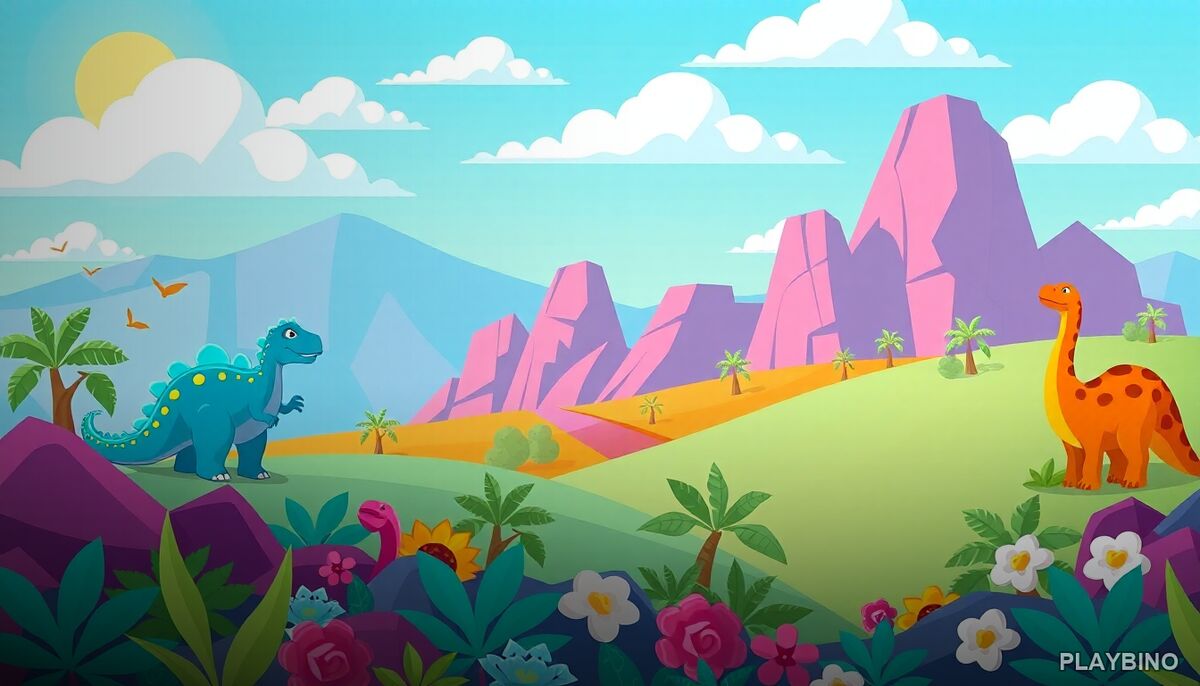
The art direction leans fully into bright, saturated colors and friendly character design. The dinosaurs are cartoonish and expressive, which keeps the visual environment inviting rather than clinical. PlayBino hosts the game with no loading friction, so children can start a session quickly without navigating complicated menus. The sound design is light and positive, reinforcing correct matches without making wrong ones feel discouraging — a small but important design choice for younger audiences.
"