Dog and Cat: Cooperative Platformer Puzzle Guide
What Kind of Game Is This?
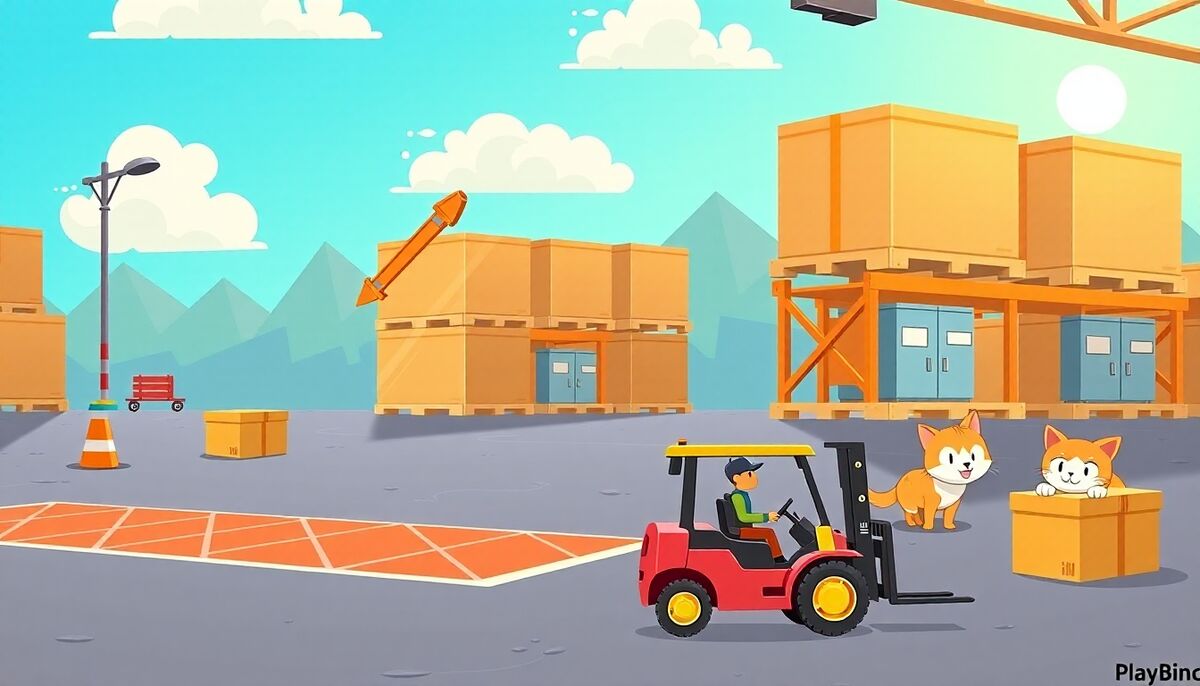
Dog and Cat is a cooperative 2-player platformer that blends puzzle-solving with action. The premise is simple on the surface: two animal companions need to reach their goals across a series of obstacle-filled stages. But the execution asks more from players than a typical jump-and-run. Coordination, timing, and spatial awareness all come into play as you manage both characters through each level. Play it directly in your browser and you'll notice quickly that rushing through stages rarely works.
The Core Objective
Each stage has two main goals. First, you collect scattered items — fish for the cat and bones for the dog. These are spread across the level and often placed in awkward spots that require one character to create space while the other moves in. Second, and more importantly, you need to locate three hidden boxes in every stage. Finding all three is what unlocks progression, and their placement is rarely obvious.
Why the Boxes Matter
The mystery boxes aren't just collectibles. They're the structural puzzle of each level. The game hides them in corners, behind platforms, or in areas that require both characters to be positioned correctly before one can reach the box. This turns what could be a simple collect-and-move experience into something that rewards exploration and patience.
Items and Rewards
Collecting fish and bones feels satisfying because the items are placed with intent. Some require a detour, others demand precise movement. The game doesn't hand them to you — every collected item feels like a small win.
Hazards and Timing
The main environmental threat is spinning blades that patrol sections of each stage. These aren't random obstacles. They follow set paths and speeds, which means the challenge is about reading their movement and timing your crossing. A single hit can disrupt your run and force repositioning, especially when both characters need to cross a patrolled zone at different moments.
This is where the action element of the puzzle-action tag combination becomes clear. The game isn't purely about logic — there's a reflex component tied to blade timing that keeps levels feeling active rather than static.
Playing Solo vs. Two Players
Dog and Cat supports 2-player co-op, which changes the experience significantly. In solo mode, you switch between the dog and cat yourself, which means managing two sets of movements mentally at once. In two-player mode, each person controls one character, making coordination a communication challenge rather than a solo juggling act.
Both modes are valid. Solo play builds a stronger understanding of how the characters interact with each platform layout. Two-player mode introduces a social element where miscommunication can cause as many problems as the blades themselves.
Movement and Character Feel
Each character moves with its own weight and responsiveness. Understanding how each one handles jumps and landing positions matters when you're trying to line up a precise crossing or reach an elevated platform. The game doesn't spell out these differences — you learn them through play.
Pig Bros Adventure, another cooperative platformer worth exploring, takes a similar approach to character coordination if this style of co-op gameplay appeals to you.
Who This Game Suits
Dog and Cat on PlayBino works well for players who enjoy puzzle-action hybrids where the challenge comes from coordination rather than combat. The charming visual style and animal characters make it approachable, but the level design has enough depth to keep experienced platformer players engaged. If you like games where every move has a consequence and collecting items requires actual planning, this one delivers that in a compact, browser-friendly format.
- 2-player cooperative or solo switching between characters
- Three hidden boxes to find per stage
- Fish and bone collectibles placed with intent
- Spinning blade hazards requiring timed movement
- Puzzle-action balance that rewards patience over speed