Domino Adventure: Strategy, Tile Placement, and Competitive Play
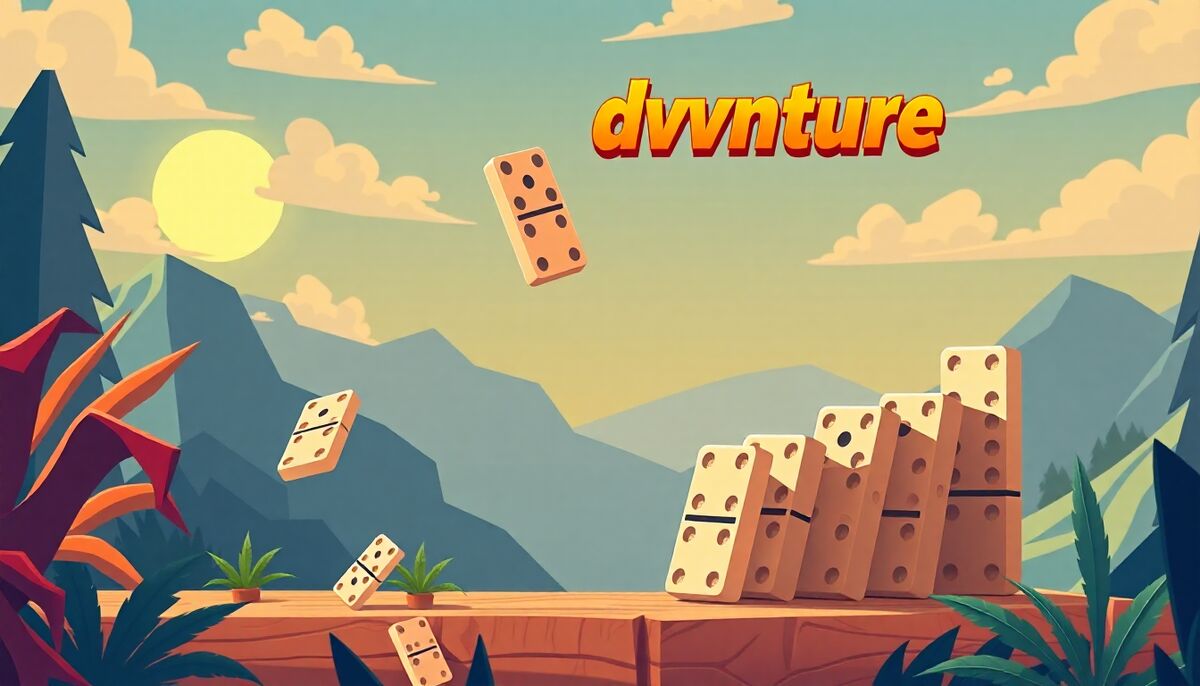
What Kind of Game Is This?
Domino Adventure takes the familiar logic of traditional dominoes and packages it into a fast-moving browser format. The core concept stays close to the original rules — match numbered tile ends, manage your hand, and clear your pieces before your opponent does. What makes the digital version interesting is how the pacing and structure push you to think faster and plan further ahead than a casual tabletop session might require.
Three distinct game modes give players control over session length and intensity. Quick rounds work well when you have a few minutes, while the longer strategic modes reward patience and careful board reading. You can play this tile-matching challenge on PlayBino directly in your browser without any download.
The Core Mechanic: Placement and Blocking
Every turn in Domino Adventure comes down to a simple question: which tile do you play, and where? The numbered ends of each domino must connect to matching values already on the board. That constraint alone creates most of the tension. Early in a match, the board is open and options feel plentiful. As more tiles go down, the available connections narrow, and suddenly a hand that looked manageable becomes a problem.
Reading the Board
Skilled play depends on tracking what numbers are still in circulation. If you hold three tiles with a six-end and the board shows no open sixes, you need a backup route. Watching which values your opponent plays reveals information about what they might be holding, which shapes your own decisions.
Blocking as a Strategy
One of the more satisfying moments in the game comes from a deliberate block — placing a tile that closes off a number your opponent clearly needs. It requires reading ahead by two or three moves, but when it works, it can stall an opponent's hand entirely. This is where the brain and strategy tags really show up in actual gameplay rather than just description.
Game Modes and Session Structure
The three modes change how aggressively you need to play. Shorter timed sessions reward quick pattern recognition and decisive placement. Longer matches shift the emphasis toward hand management and long-term board control. Both styles suit different moods, and switching between them keeps the game from feeling repetitive over multiple sessions.
- Quick rounds for fast decision-making under time pressure
- Extended matches for deeper strategic planning
- AI opponents for solo practice
- 2-player mode for head-to-head competition
2-Player Competitive Play
The 2-player mode adds a layer of unpredictability that AI matches can't fully replicate. Human opponents make unexpected choices, hold tiles in ways the algorithm wouldn't, and sometimes bluff through inaction. Competing against another person turns the logic puzzle into a mind game as much as a tile game. Anticipating a human hand rather than a programmed one changes how you approach every placement.
Who This Game Suits
Players who enjoy logic-based puzzle games and don't mind slowing down to think will get the most out of Domino Adventure. The mechanics are approachable enough that someone unfamiliar with dominoes can pick them up quickly, but the competitive depth means experienced players still have room to improve. If you also enjoy spatial reasoning and pattern-based challenges, another logic-focused puzzle worth exploring is Stamp It Puzzle, which takes a different approach to placement thinking.
Tile Management Under Pressure
Holding the wrong tiles late in a match is one of the most common ways to lose. Managing your hand means thinking about which pieces are flexible — tiles with common numbers on both ends — and which are liabilities. High-value doubles, for instance, can be hard to place if the matching end closes off. Prioritizing those early, when the board still has open connections, reduces the risk of getting stuck. That kind of forward planning is what separates reactive play from genuinely strategic domino sessions.