Doors Awakening: Room Puzzles, Hidden Clues, and Logic Challenges
What Kind of Game Is This?
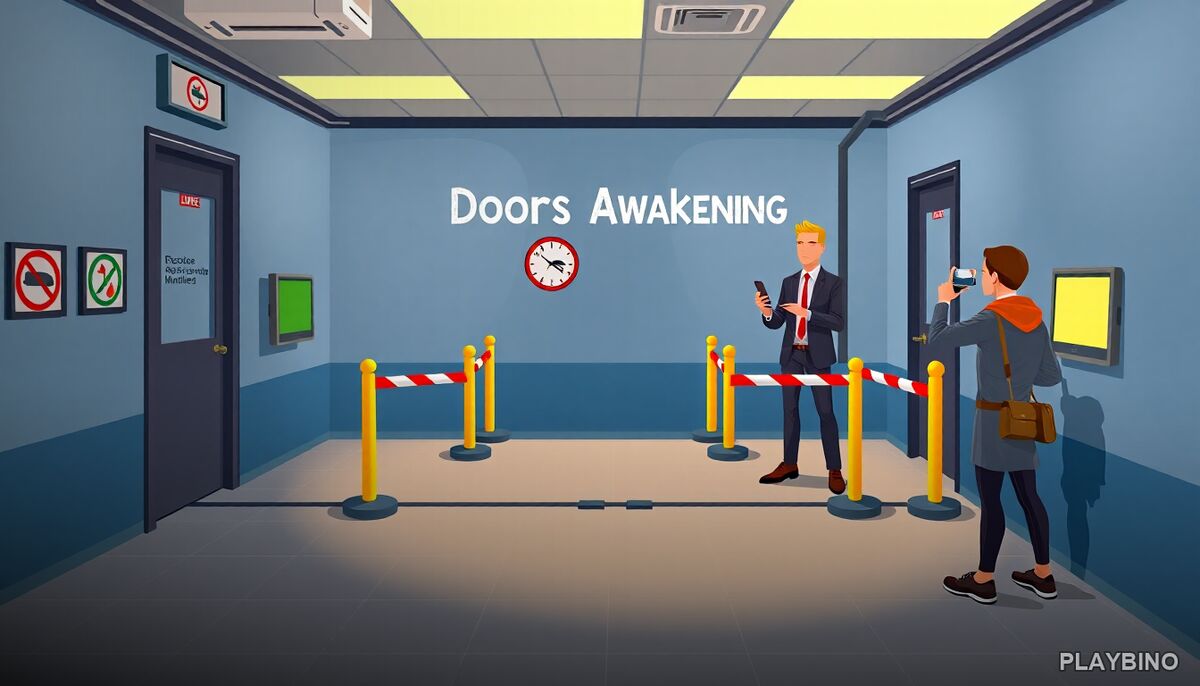
Doors Awakening is a single-player logic puzzle game set inside detailed 3D rooms. The core loop is straightforward: you examine your environment, collect objects, find hidden clues, and figure out how everything connects to unlock the next door. There are no enemies, no timers, and no lives to lose. The pressure comes entirely from the puzzle itself.
If you enjoy slow, methodical brain challenges where observation matters more than reflexes, this browser puzzle is worth your attention. Each room operates as a self-contained mystery, and the satisfaction of cracking one open feels genuinely earned.
How the Room Mechanics Work
The camera rotates freely, which is central to how the game functions. You are not looking at a flat scene. You are inspecting a space from multiple angles, and the solution often depends on seeing something from a direction you had not tried yet.
Clue Placement
Visual hints appear on walls, floors, objects, and in the arrangement of items around the room. Some clues are obvious once you spot them. Others blend into the environment deliberately. A color pattern on a shelf, a number scratched into a surface, or the position of objects relative to each other can all carry meaning.
Item Interaction
Collectible objects often need to be combined or placed somewhere specific before they become useful. Picking up an item does not immediately tell you what it does. Part of the puzzle is figuring out where it belongs, and that usually requires more exploration before the connection becomes clear.
The Layered Puzzle Structure
What separates this game from simpler logic titles is how the puzzles stack. Solving one element of a room rarely opens the door immediately. Instead, it reveals the next piece of a longer chain. You might decode a symbol pattern to open a box, find a key inside that box, and then realize the key only works after you have moved something else into position.
This layered design keeps the brain engaged throughout. Each small discovery feeds into a larger solution, and the game rarely lets you coast on a single insight.
Atmosphere and Pacing
The tone is quiet and contemplative. There is no background music pushing urgency, and the visual style leans toward clean, focused environments rather than chaotic ones. This pacing is intentional. The game wants you to slow down and actually look.
Players who prefer fast-action arcade games may find the tempo too slow. But for anyone drawn to brain puzzles and logic challenges, the unhurried atmosphere makes it easier to think clearly and notice details that a faster game would cause you to miss.
Strategy Tips for Stuck Moments
- Rotate the camera fully before assuming you have seen everything in a room.
- Re-examine objects you have already collected when you get stuck; their purpose may become clear after finding a new clue.
- Pay attention to color, number, and shape patterns, even when they seem decorative.
- If a mechanism does not respond, check whether a prerequisite step in the room is still incomplete.
- Do not ignore background details. Subtle environmental hints are placed intentionally.
Similar Logic Challenge to Try
Doors Awakening sits in a category of brain games that reward careful thinking over speed. Quiz Painters takes a different angle on knowledge and visual recognition — that one is worth a look if you want another browser game that keeps your mind working between puzzle sessions. Both reward attention and pattern recognition, just through different mechanics.
You can find Doors Awakening and other logic titles like it on PlayBino, where the game runs directly in your browser without any download required.