Emily\'s Hotel Solitaire: Card Puzzles Meet Island Renovation
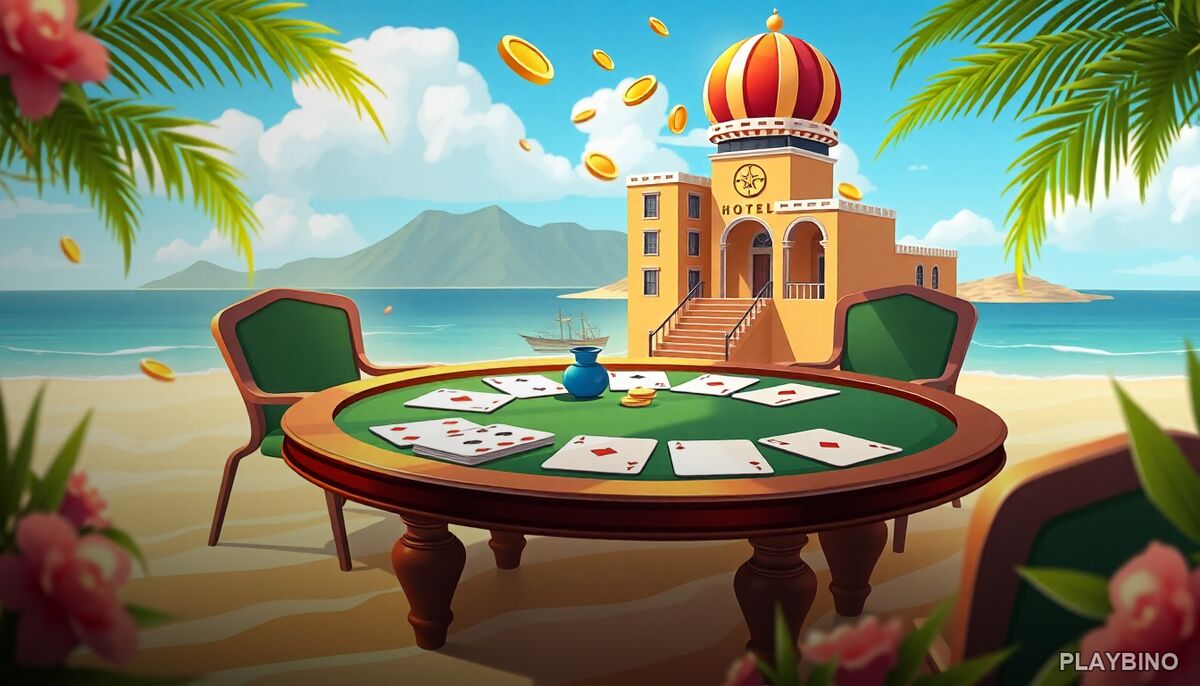
Two Games in One Loop
Most card games ask you to clear boards and move on. Emily's Hotel Solitaire adds a second layer: every hand you clear feeds directly into a hotel renovation project on a sun-drenched island. The result is a dual gameplay loop where the card table and the construction site are constantly pulling your attention. Play it in your browser and the rhythm becomes clear almost immediately — solve a board, earn coins, spend them on the property, then return to the next layout.
How the Card Mechanics Work
The solitaire rules follow a familiar rank-sequence structure. You match cards that are one rank higher or lower than the current foundation card. Early boards are forgiving, but the layouts grow more demanding as you progress through the hotel's renovation stages.
Obstacles and Special Cards
Later levels introduce locked cards, blocked positions, and special card types that cannot be cleared through standard sequence play. These elements force you to think several moves ahead rather than simply chaining the most obvious sequence. Recognizing which cards are blocking a clean chain — and deciding whether to burn a power-up or reroute — becomes the central strategic decision.
Power-Ups
A small set of power-ups provides relief when a layout becomes particularly stubborn. Jokers, wildcards, and shuffle assists each serve a distinct purpose. Using them too early wastes their value; saving them too long can leave you stuck with no exit. Managing that resource is a quiet but real part of the strategy layer.
The Renovation Side
Coins earned from cleared boards fund upgrades across several hotel zones: guest rooms, poolside facilities, lobby areas, and more. Each purchase produces a visible change to the property, which gives the simulation side a satisfying sense of tangible progress. This is not an abstract currency sink — you can see the beachfront property transform as you invest.
The renovation decisions are not deeply complex, but they create meaningful pacing breaks between card rounds. Choosing which area to upgrade next adds a light management dimension that keeps the experience from feeling like a pure puzzle grind.
Difficulty Curve and Level Design
The early levels function as an extended tutorial, introducing the rank-sequence mechanic before layering in obstacles. The difficulty ramp is gradual enough that new players can find their footing, but the mid-game boards demand genuine planning. Card layout variety is strong — each stage feels distinct rather than recycled, which maintains engagement across a long session.
- Rank-sequence matching: one higher or one lower than the foundation card
- Obstacle cards that require specific clearing conditions
- Multiple hotel zones to upgrade with earned coins
- Power-ups that assist in blocked or complex board states
- Visible property improvements tied to renovation spending
Who This Game Suits
The puzzle and simulation tags describe the experience accurately. Players who enjoy card-based logic alongside a light building or management loop will find the combination satisfying. The island setting and hotel theme give it a relaxed visual tone, but the mid-to-late card layouts carry enough challenge to keep strategy-minded players engaged.
If matching card puzzles with a progression system appeals to you, Best Friends Puzzle offers another puzzle-based challenge worth exploring on PlayBino — the matching mechanics share some DNA even if the setting differs completely.
Approach That Works
Prioritize clearing full board sequences over partial chains when possible, since complete clears tend to yield better coin rewards. Scan the full layout before playing your first card — identifying locked or special cards early prevents wasted moves. On tighter boards, hold power-ups until you have confirmed no natural sequence remains. On the renovation side, spreading upgrades across multiple hotel areas tends to unlock new content faster than focusing on a single zone.