Empire Estate Kingdom Conquest: Strategy, Auctions, and Multiplayer Rivalry
What Kind of Game Is This?
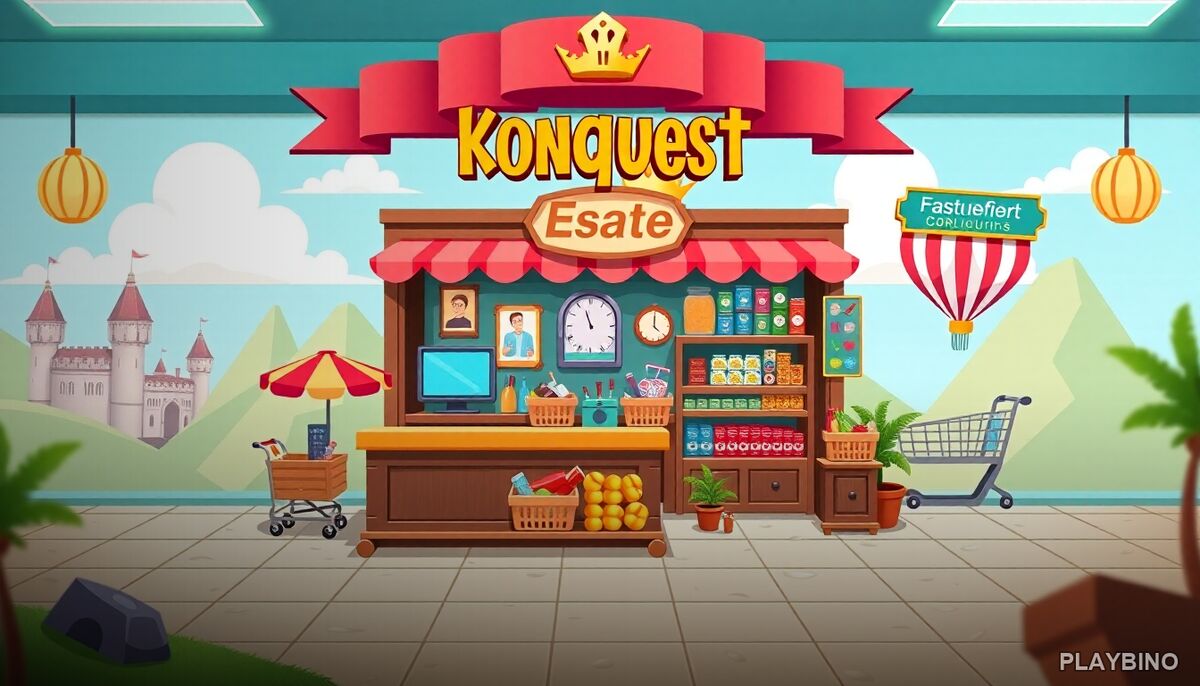
Empire Estate Kingdom Conquest blends property trading, auction mechanics, and direct PvP competition into a single browser-based strategy experience. Up to four players compete to build the strongest real estate empire by acquiring properties, managing resources, and making deals that either strengthen their position or weaken everyone else's. The full multiplayer experience runs directly in your browser without any downloads required.
The game sits firmly in the simulation and strategy space. It rewards players who can read a situation quickly, time their spending carefully, and stay flexible as the board evolves around them.
Auction Mechanics and Why They Matter
The auction system is the heart of the competition. When a valuable property comes up for bidding, every player has to decide how much they want it and how much they're willing to pay to stop someone else from getting it. These moments create real tension because overbidding drains your resources while underbidding hands your opponents a clear advantage.
Timing Your Bids
Knowing when to push hard in an auction and when to let a property go is one of the most important skills in the game. Early auctions often set the tone for the entire match. Securing a strong cluster of properties early gives you leverage in later negotiations, but spending too aggressively leaves you exposed when rivals start making moves.
Reading Opponent Behavior
Pay attention to what other players are targeting. If two opponents keep competing over the same property types, you can quietly build in areas they're ignoring. Recognizing patterns in how rivals spend and bid gives you an edge that pure resource management alone cannot provide.
Trading and Negotiation
Beyond auctions, direct trading between players adds another layer of strategy. Deals can be genuinely beneficial for both sides or structured in a way that subtly advantages one party. Temporary alliances form naturally when two players share a common rival, but those partnerships rarely last once the competitive balance shifts.
Negotiation rewards players who think a few steps ahead. Accepting a trade that looks fair on the surface might actually hand an opponent the final property they need to complete a dominant position. Every agreement deserves scrutiny.
Resource Management and Expansion
Aggressive expansion feels satisfying but carries real risk. Spreading across the board too quickly leaves little room to defend what you already own or compete in high-stakes auctions when they matter most. The game consistently forces a choice between growing your empire and consolidating it.
- Balance acquisition speed against available capital
- Prioritize properties that block rival expansion routes
- Avoid overextending when key auctions are approaching
- Use trading to fill gaps rather than always relying on auctions
Multiplayer Dynamic and PvP Feel
The PvP structure means no two sessions play out the same way. Human opponents adapt, bluff, and retaliate in ways that a scripted AI never replicates. The competitive energy builds naturally as the game progresses and the board fills up, making late-game decisions feel genuinely high-stakes.
Players who enjoy strategy and simulation games with a social competitive edge will find the format engaging. The game works well in short sessions and longer matches alike, depending on how aggressively all four players choose to play.
A Similar Multiplayer Strategy Title
If competitive board-style strategy appeals to you, starpoly offers a comparable multiplayer experience worth exploring on PlayBino. The property and territory mechanics share some DNA with Empire Estate Kingdom Conquest, making it a natural next stop for anyone who enjoys this style of competitive simulation.
"