Fairy Land Rescue: Puzzle Mechanics, Spells, and Strategy
The Setup Behind the Magic
A kingdom locked in magical chaos, animals stranded in the wrong habitats, and a Winter Queen whose spell has turned snow into scorching sand — that's the world you step into when you start this single-player logic puzzle. The premise is whimsical but the challenge underneath it is real. You're not just watching a story unfold; you're solving it, one environmental puzzle at a time. The full game is playable in your browser without any downloads or setup.
What You Actually Do Each Level
Each stage puts you in a specific rescue scenario. A polar bear is stuck in desert heat. A small dinosaur needs shade. The creatures can't help themselves — that's where your fairy companion and her magic wand come in. Your job is to figure out which spell to cast, in what order, and on which part of the environment to fix the habitat and free the animal.
The puzzle logic isn't about fast reflexes. It's about reading the scene, understanding what each creature needs, and applying the right restoration spell to the right obstacle. Some levels require clearing debris first. Others ask you to change the temperature or terrain before the animal can move safely. The sequence of actions matters.
Spell Mechanics
The magic wand isn't a single-use tool. As you progress, you unlock different fairy spells, each with its own effect on the environment. One spell might cool a scorched area. Another might grow shade-giving plants. Learning what each spell does — and when not to use it — becomes the core of the puzzle challenge. Misusing a spell early in a level can block your path to the solution.
Progression and Difficulty
Early levels introduce one or two mechanics at a time, letting you get comfortable before layering in complexity. By the mid-game, you're managing multiple environmental variables in a single stage. The difficulty curve is gentle but consistent. There's no sudden spike that feels unfair — each new challenge builds on something you've already learned.
Visual Design and Atmosphere
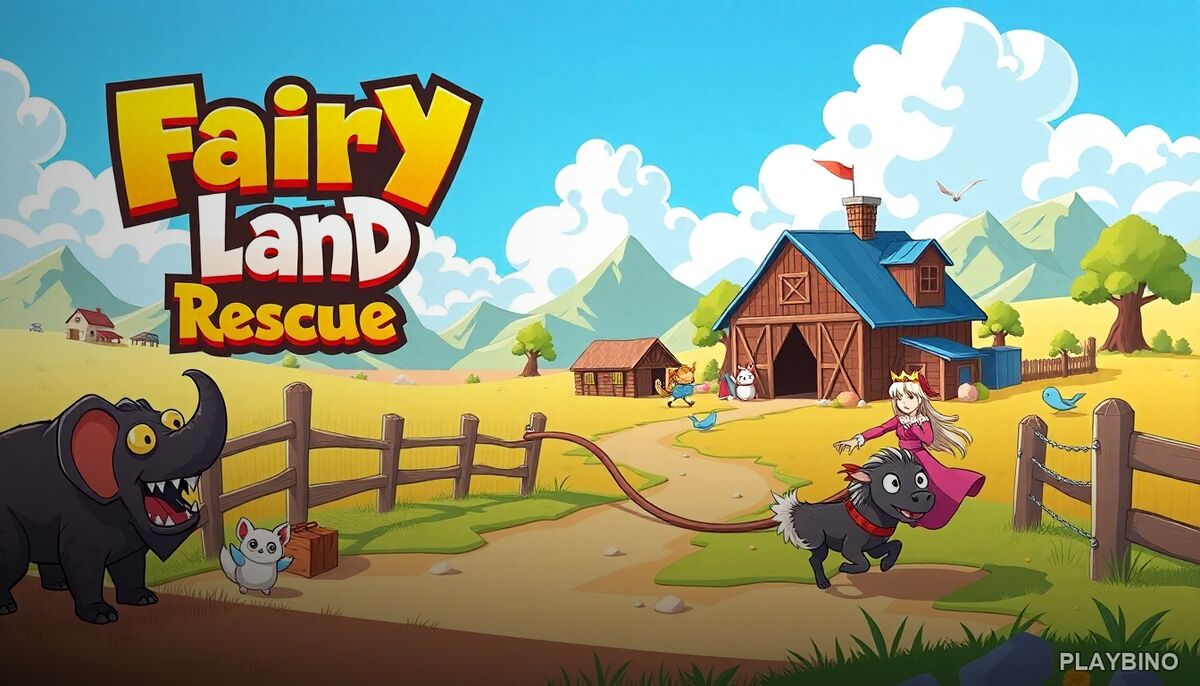
The art direction leans into warm, storybook colors even when depicting a desert wasteland. Characters are expressive and charming, and the contrast between corrupted and restored environments gives a satisfying visual payoff when you complete a rescue. It's a game that uses its visuals as part of the feedback loop — you can see the world healing as you solve each puzzle.
Who This Game Suits
Players who enjoy logic puzzles with a narrative wrapper will find a lot to like here. The single-player format keeps the focus on thinking rather than competition. There's no timer pressure on most levels, which makes it a good fit for players who prefer deliberate, methodical problem-solving over reflex-based gameplay. Younger players can access it too, but the puzzle depth holds up for adults who enjoy casual brain challenges.
- Logic-based puzzle structure with environmental variables
- Unlockable fairy spells that change how you interact with each level
- Unique rescue scenario per stage with different animal and habitat combinations
- Gradual difficulty progression that teaches through play
- Colorful storybook visual style with satisfying restoration feedback
Strategy That Actually Helps
Before casting anything, scan the full level. Identify the animal, its required habitat, and every obstacle between its current state and safety. Then work backwards — what does the final state need to look like, and what spell sequence gets you there? Rushing into spell use without a plan is the most common reason players get stuck. The game rewards patience and observation over trial and error.
If you enjoy this style of logic-based puzzle where the environment itself is the puzzle, another knowledge-driven challenge worth exploring is The Quest for Knowledge, which takes a different approach to single-player brain gameplay on PlayBino.
"