Fairy Tale Find 5 Differences: Spot the Hidden Changes in Storybook Scenes
Storybook Scenes With a Puzzle Twist
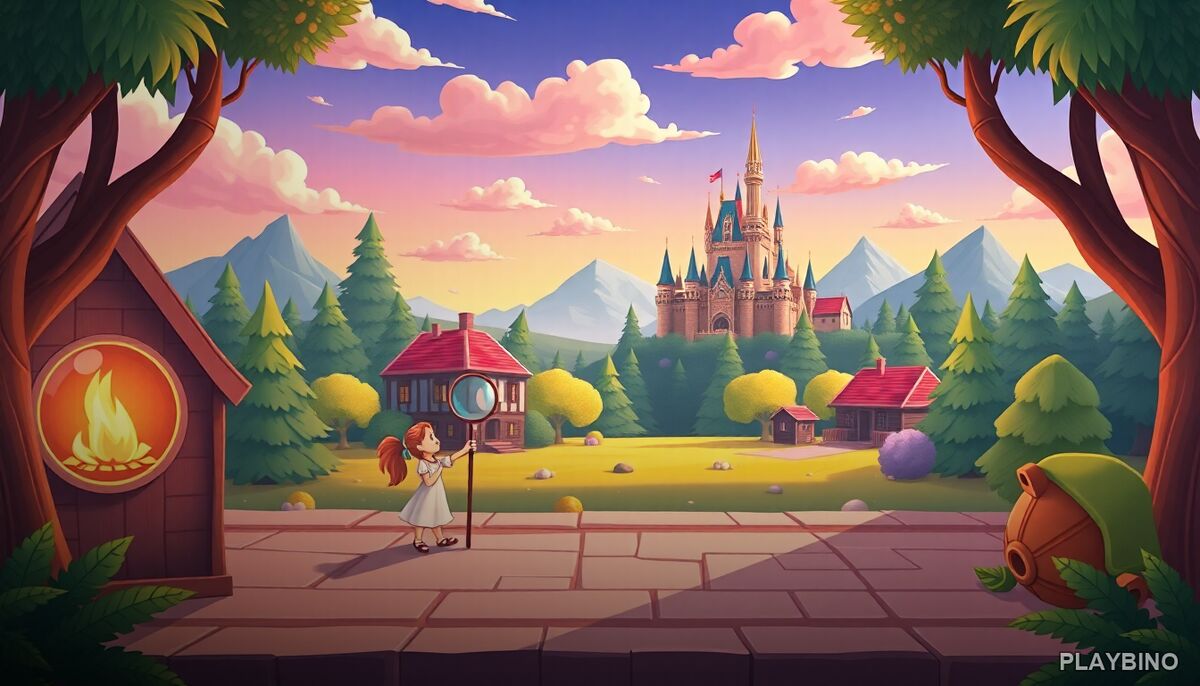
Some puzzle games work because they slow you down. Fairy Tale Find 5 Differences is built around that idea — two nearly identical illustrations sit side by side, and somewhere inside those painted castles, glowing forests, and fairy tale characters, five small changes are hiding. The goal is simple: find all five before moving on. Play it directly in your browser and you will notice immediately how much care went into the artwork. These are not flat clip-art scenes. The illustrations carry a storybook warmth that makes staring at them feel less like a chore and more like flipping through a picture book.
What the Gameplay Actually Asks of You
Each round presents two versions of the same scene. Your job is to compare them carefully and tap or click on every difference you spot. The differences are not random noise — they are deliberate design choices that blend into the image. A color shift on a character's cloak. A missing object in the background. A subtle change in the shape of a tree or a window. Some differences announce themselves quickly. Others require scanning the same corner two or three times before something finally looks wrong.
Observation Over Speed
There is no countdown timer pushing you toward mistakes. The game runs entirely at your pace, which changes how it feels compared to most arcade-style puzzle formats. You can zoom into a section, step back mentally, and return to it. That patience is part of the mechanic. Players who rush tend to miss the quieter differences tucked into busy backgrounds.
Using Hints Without Losing the Reward
When a difference proves genuinely elusive, hints are available. Activating one points you toward an area you may have overlooked. The design choice here matters — the hint narrows the search zone rather than solving it outright, so the moment of recognition still belongs to you. That small distinction keeps the satisfaction intact even when you need assistance.
The Cognitive Side of Spot-the-Difference
This genre sits at the intersection of memory and visual attention. Your brain builds a mental model of the first image, then compares it against the second in real time. Every difference you find updates that model. The puzzle, memory, and brain tags attached to this game are accurate — this is not passive entertainment. You are actively training your eye to notice inconsistency, which becomes harder as the scenes grow more detailed and the differences grow more subtle.
Scene Design and Visual Appeal
The fairy tale setting does real work here. Enchanted forests, castle interiors, and magical characters give each scene enough visual complexity to hide differences naturally without feeling artificially obscure. The illustrations also carry a nostalgic quality that makes the experience feel calm rather than competitive. Players who enjoy cozy puzzle formats — the kind you return to for a few minutes rather than a marathon session — will find the pacing comfortable. The aesthetic is consistent across levels, which creates a coherent atmosphere rather than a patchwork of unrelated images.
Who Plays This Kind of Game
Spot-the-difference puzzles have a broad audience precisely because the barrier to entry is zero. You look, you compare, you click. No tutorial required. That accessibility makes it work for casual players looking for something low-pressure, but the difficulty of later differences also gives focused puzzle solvers something to work through. The lack of a timer removes the stress layer entirely, which separates this from reflex-based puzzle games. If your interest leans toward hidden-object mechanics, another observation-based challenge worth exploring is Find The Car Key, which applies similar search logic to a completely different visual context.
Replay Value and Session Length
Each scene is self-contained, so sessions can be as short or as long as you want. Completing one scene takes a few minutes. Working through several in a row builds a satisfying rhythm. The puzzle structure on PlayBino means you can return to a scene after stepping away without losing progress, which suits the relaxed format well. The combination of charming visuals, genuine cognitive challenge, and flexible pacing gives this game a consistent reason to return.