Fall Boys 2D Parkour: Chaotic Co-op Platforming at Its Best
What Kind of Game Is This?
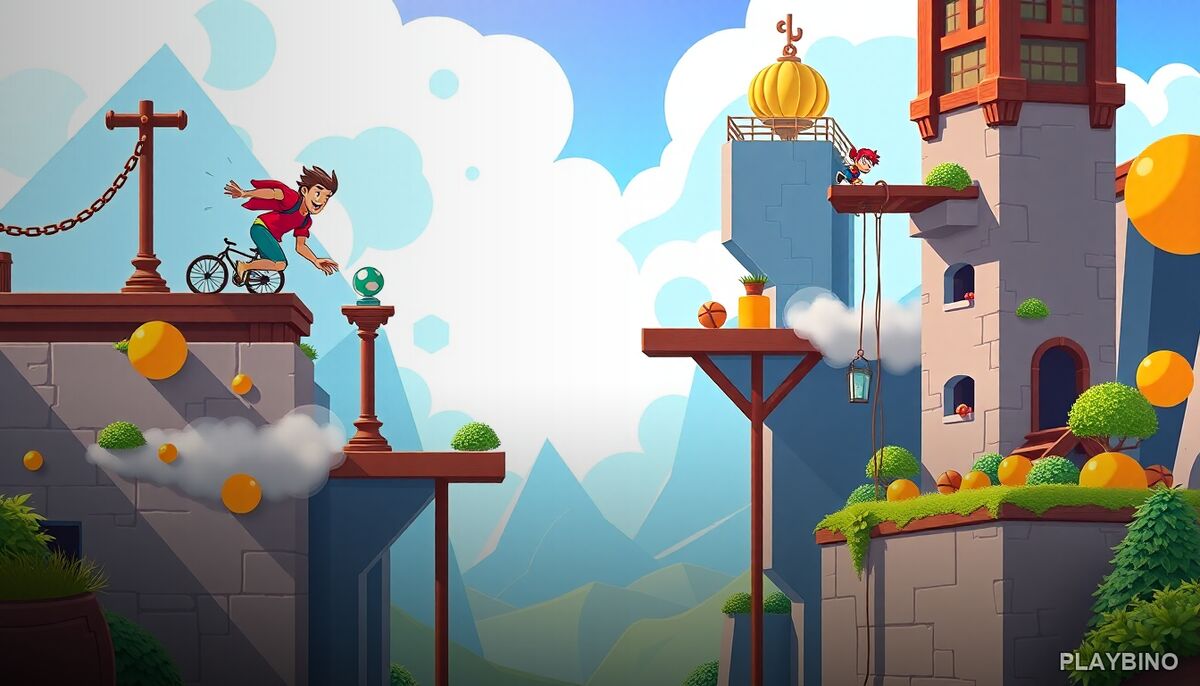
Chaotic, side-scrolling, and built for two — Fall Boys 2D Parkour drops a pair of players into obstacle-filled courses where timing and coordination matter more than speed alone. The physics-based movement means every jump carries a little unpredictability, and that's exactly what makes each run feel different from the last. Try the full run on PlayBino and see how far you and a partner can get before the course fights back.
The side-scrolling perspective keeps things readable, but the obstacles themselves ramp up in complexity as you push further into the game. Moving platforms, gaps that demand precise timing, and hazards that punish hesitation all combine to create an arcade experience that's easy to start and genuinely difficult to master.
The Two-Player Dynamic
This is not a game where two players simply race independently. The 2-player structure creates moments where cooperation becomes necessary. Some sections of a course require one player to wait, assist, or time a jump alongside their partner. Ignoring your teammate often means both of you fail.
Coordination Over Competition
While there is a competitive edge — reaching the finish first earns the crown — the real challenge comes from navigating the course together. A player who charges ahead recklessly may find themselves stuck at a section that demands precise movement, while a more patient approach often pays off in later levels.
Communication and Timing
Playing with a friend in the same room adds a layer of real-time communication that makes the chaos more manageable. Calling out moving platform cycles or warning about incoming hazards turns the arcade action into something closer to a co-op puzzle challenge.
Movement and Physics
The controls are simple enough that anyone can start playing immediately. Movement, jumping, and landing are all handled with a small set of inputs. What takes practice is understanding the momentum system. Jumps carry weight, landings can push you off balance, and rushing through a gap without reading the physics often sends your character tumbling.
Each failed attempt reveals something useful about the course. A platform that looked stable may have a slight delay before it moves. A gap that seemed too wide turns out to be jumpable with a running start. The game teaches through repetition, and that loop of trying, failing, and adjusting is what keeps the action engaging.
Course Design and Hazards
The levels grow progressively harder as you advance. Early courses introduce basic gaps and static platforms. Later stages layer in moving obstacles, tighter timing windows, and sections where both players must clear hazards in sequence.
- Moving platforms that cycle at different speeds
- Gaps requiring momentum-based jumps
- Hazards that punish mistimed landings
- Sections where both players must coordinate crossing simultaneously
- Crown reward for completing each stage
The variety in obstacle types prevents any single strategy from working across all levels. What worked on stage three may need adjustment by stage six.
Who Plays This Well?
Players who enjoy arcade action and don't mind repeated attempts will get the most from this game. The 2-player format makes it a strong pick for anyone looking for a quick competitive or cooperative session without a long setup. The skill ceiling is real — consistent landings and reading platform timing takes genuine practice — but the short level format means you're never far from another attempt.
If obstacle-course platforming appeals to you, a similar kind of chaotic movement challenge appears in this alternative browser platformer, which takes the obstacle-run concept in a different direction worth exploring.
Reaching the Crown
Finishing a course rewards the winning player with a crown, which serves as the visual marker of success for that stage. It's a small but satisfying payoff that gives each run a clear goal. The courses don't overstay their welcome — each level is short enough that a failed run doesn't feel punishing, but complete enough that finishing one feels earned.
The combination of physics-based movement, co-op pressure, and escalating course difficulty gives Fall Boys 2D Parkour a rhythm that holds up across multiple sessions. Pick it up with a partner, expect some chaos, and plan on more than one attempt per level.
"