Falling Gem: Match-3 Puzzle Strategy and Chain Reaction Tips
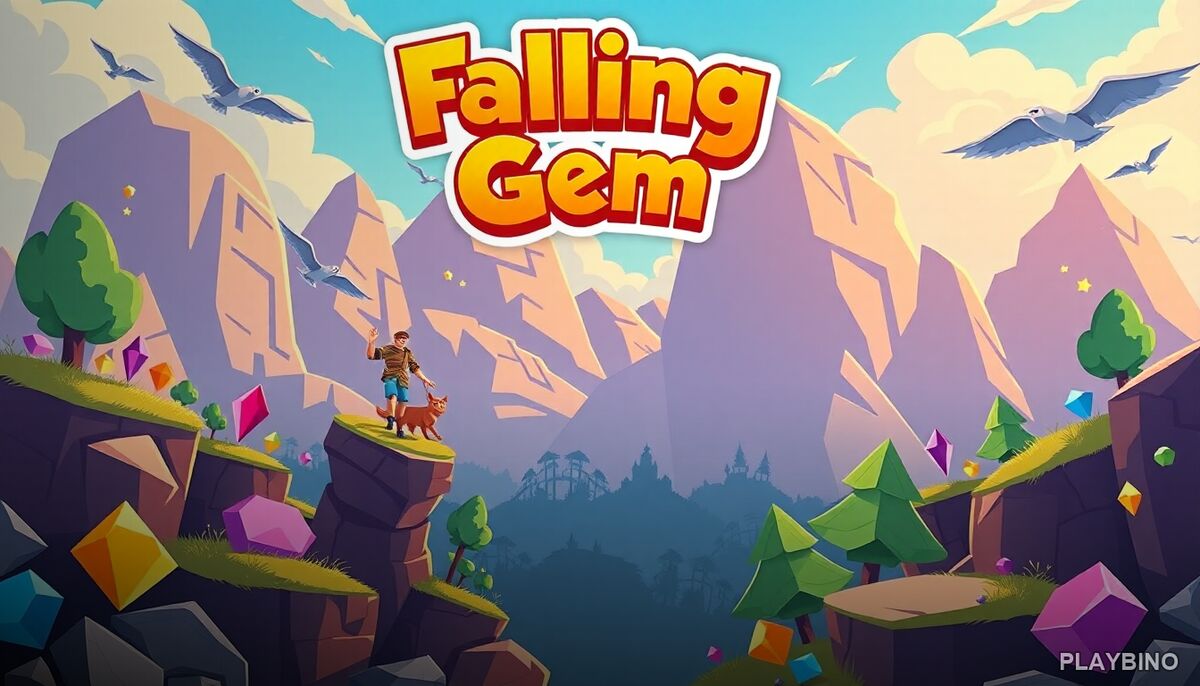
What Falling Gem Is About
Match-3 puzzles live or die by their feel, and Falling Gem gets the fundamentals right. The board fills with colored gems, and your job is to swap adjacent pieces to line up three or more of the same type. Matched gems vanish, the remaining pieces shift downward, and new gems drop in from above. That cascading motion is where the game earns its name — and where most of the interesting decisions happen.
If you want to see how the mechanic plays out in practice, the puzzle runs entirely in your browser with no download required. The setup is minimal, which means you spend your time matching rather than navigating menus.
The Cascade Mechanic
Most match-3 games include some version of cascading, but Falling Gem builds its scoring system around it. When a row of gems clears, the pieces above don't just settle — they can land in positions that trigger additional matches automatically. These chain reactions happen without using a move, which means a single well-placed swap can clear large sections of the board.
Reading the Board Before You Swap
The key habit to develop is pausing before each move. Look at what sits above the gems you plan to match. If clearing a row will drop a cluster of same-colored pieces into alignment, that swap is worth prioritizing even if a simpler match is available elsewhere. Reactive play works in early levels, but later stages require you to think two or three moves ahead.
When Chains Fail to Appear
Not every cleared row produces a cascade. Sometimes the board resets into a scattered pattern with no obvious follow-up. In those moments, focus on the densest clusters of a single color and work to consolidate them before making your next clearing move. Spreading matches too thin across the board tends to leave you with isolated gems that are harder to clear under time or move pressure.
Level Progression and Scoring Pressure
Early stages give you room to experiment. The gem arrangements are loose, chain opportunities are frequent, and scoring targets are manageable. As levels advance, the board becomes more crowded and the required scores climb. Some arrangements feel deliberately awkward — gems positioned so that obvious matches produce poor follow-up positions.
Scoring rewards speed and efficiency together. A chain reaction that clears four or five gems in a single move scores significantly better than four separate single matches using the same number of swaps. Building toward those multi-step clears rather than taking the easiest available match each turn is what separates steady progression from stalling out on harder levels.
Pattern Recognition Over Speed
Falling Gem is a single-player puzzle experience, so there is no opponent to race. The pressure comes from the board itself — from tighter gem arrangements and higher thresholds that demand more from each move. Players who enjoy logic-based puzzles tend to find the rhythm satisfying because the game rewards observation rather than fast clicking.
That said, the pacing does accelerate. Later levels introduce arrangements where the window for spotting a chain is narrow, and hesitation can leave you with fewer good options than you started with. The balance between deliberate thinking and timely execution is what keeps the difficulty curve feeling fair rather than frustrating.
Similar Puzzle Games to Try
If the gem-matching format appeals to you, there are other titles in the same space worth exploring. Jewel Garden Story takes a comparable approach to matching mechanics with its own progression structure — this look at Jewel Garden Story covers how that game handles its own puzzle design if you want a point of comparison before jumping in.
PlayBino hosts both titles alongside a range of other browser-based puzzle games, so switching between them requires nothing more than opening a new tab.