Fantasy Typing: Battle Creatures by Mastering Your Keyboard
Typing as Combat
Most typing games reward you with a score. Fantasy Typing rewards you with a dead goblin. The concept is straightforward: words appear on screen attached to enemies, and the only way to attack is to type those words correctly. Miss letters, hesitate too long, or lose your rhythm, and the creature closes in. The faster your fingers move, the harder each hit lands.
This action-RPG approach to keyboard training changes how practice feels. There are real stakes in every encounter, and the fantasy setting gives each session a sense of progression that a blank typing drill never could. You can try the full challenge in your browser without any download or setup.
What You Actually Do
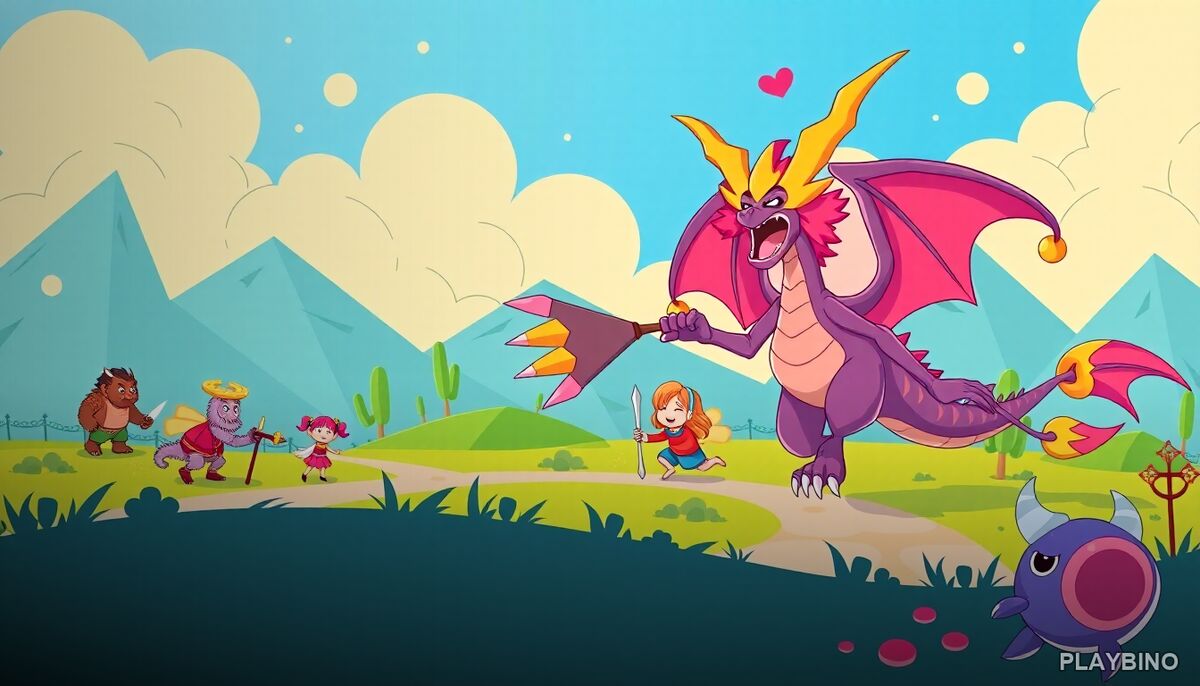
Each level places you in a fantasy environment populated by enemies ranging from small fairies to armored goblins to full-scale dragons. Every enemy has a word floating above it. You type that word to deal damage. Enemies have health bars, and some require multiple words before they fall. As the game progresses, words grow longer, appear faster, and enemies hit harder if you stall.
Accuracy vs. Speed
Both matter, but they pull in different directions under pressure. Accuracy prevents wasted keystrokes that can break your attack chain. Speed determines whether you can clear a wave before enemies overwhelm your position. Early stages let you prioritize accuracy. Later encounters force you to find a balance where hesitation is not an option.
Enemy Priority
When multiple enemies are on screen simultaneously, you choose which word to type first. Faster enemies or those with shorter words are often the smarter targets. Letting a quick creature reach you while you laboriously type a long word for a slower one is a common early mistake. Learning to scan the screen and pick targets efficiently is its own skill layer on top of raw typing speed.
How Difficulty Scales
The progression in Fantasy Typing is tied directly to your performance rather than a fixed timer. Enemies grow tougher in stages, introducing new creature types that demand quicker reactions. Word complexity increases gradually, moving from common short words toward longer and less familiar vocabulary. This means the game functions as genuine skill development, not just entertainment with a typing skin on top.
- Early stages: short words, slower enemies, room to correct mistakes
- Mid stages: medium-length words, multiple enemies on screen at once
- Late stages: longer words, fast enemies, tight timing windows
- Boss encounters: high-health targets requiring sustained accurate typing
Why the RPG Frame Works
Standard typing drills feel mechanical because the feedback loop is abstract. You type, a number goes up, session ends. Fantasy Typing replaces that with visible combat. Enemies react to your words. Environments change as you advance. The sense that your keyboard is a weapon makes repetition feel purposeful rather than tedious.
The skill tag here is earned. This is not a passive experience where you watch things happen. Every second of inaction has a consequence, and improvement is directly visible in how far you advance through the creature encounters.
Who This Game Suits
Anyone looking to build typing speed through something more engaging than a blank text box will find value here. The action pacing keeps sessions from feeling like homework. The RPG structure gives longer play sessions a sense of narrative movement. Players who already type well will find the later dragon encounters genuinely demanding, while beginners will benefit from the gradual word difficulty curve in the opening stages.
If you enjoy combat-focused browser games with a fantasy theme, the Dragon Ball Super: Super Hero content on PlayBino covers another action-heavy challenge worth exploring between sessions.
Keyboard Skills With Actual Consequences
Fantasy Typing works because it respects the player's time by making every typed word count toward something visible. The enemies are not decoration. The fantasy environments are not cosmetic. They are the structure that makes repetitive keyboard practice feel like an adventure. If your accuracy slips, you lose ground. If your speed improves, you clear waves you could not before. That direct feedback loop is what separates this from a standard drill and makes it worth returning to.
"