Fit Cats: Physics-Based Cat Merging Puzzle Guide
What Fit Cats Is About
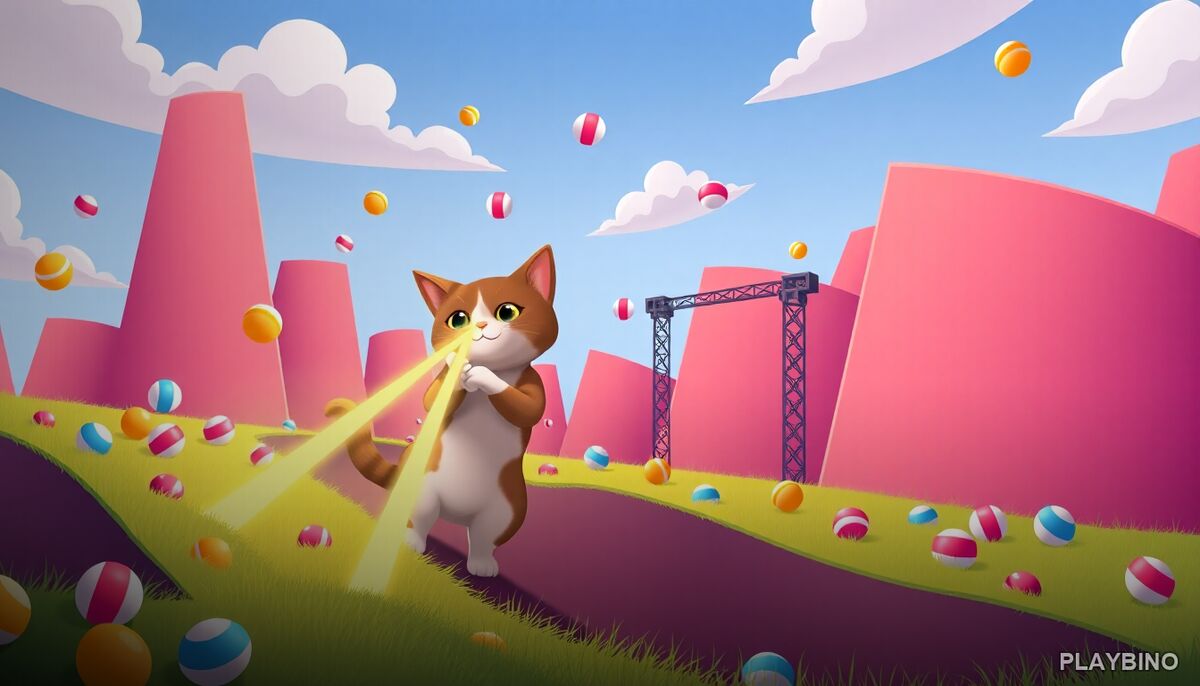
Imagine a container slowly filling with cartoon cats of different sizes. Drop one in, watch it tumble, and when two matching cats touch, they merge into a larger one. That single loop is the core of Fit Cats — simple to grasp, surprisingly strategic once the container starts filling up. You can try the full challenge in your browser without any download or setup.
The game sits at the intersection of puzzle and arcade. There is no timer counting down, but the pressure builds naturally as your pile grows. Every drop matters, and a careless placement can block merges and push you toward an overflow.
The Merging Mechanic in Practice
Each cat you drop follows physics. It bounces, rolls, and settles based on what is already in the container. Identical sizes that touch will combine into the next size up, which can then trigger another merge if a matching cat is nearby. These chain reactions are the most satisfying part of the game and also the key to reaching high scores.
Placement Logic
The temptation is to drop cats quickly, but deliberate placement pays off. Aim for areas where a matching cat already sits. Dropping near the edges tends to create stable stacks, while center drops can cause unpredictable rolling. Learning how the physics behaves in different zones of the container is a skill that develops over several sessions.
Managing Overflow
The container fills faster than expected. When cats stack too high, the game ends. Removing cats is an option, but it costs resources, so the better approach is to trigger merges before the pile gets out of control. Prioritizing larger merges over small ones keeps the overall volume down and gives you more room to work with.
What the Mice Add
Scattered through the gameplay are occasional mice that appear inside the container. Catching or activating them provides bonuses that support your merging efforts. They are not a constant mechanic, but they appear often enough to factor into your strategy. Positioning cats in a way that keeps the mouse accessible can give you a useful edge during a tight round.
Scoring and Progression
Points come from successful merges. Larger merges score more, and chain reactions multiply the value of a single well-placed drop. The goal of finding the biggest cat in the collection gives the game a sense of progression beyond just surviving. Each run teaches you something about timing, spatial awareness, and which placements lead to productive chains versus dead ends.
- Merge identical cats to create progressively larger felines
- Chain reactions from a single drop can clear significant space
- Mice provide bonuses that can shift a struggling round
- Removing cats is possible but costs resources — use it sparingly
- Score climbs fastest through large and chained merges
Who This Game Suits
Fit Cats works well for players who enjoy puzzle games with a physics element. The arcade pacing keeps it from feeling slow, and the strategy layer rewards players who think a few drops ahead. It is the kind of game that feels casual in short sessions but reveals more depth the longer you play. Sushi Drop follows a similar drop-and-merge structure — that comparable arcade experience is worth exploring if this style of puzzle clicks with you.
Why the Physics Element Changes Everything
Most merge puzzles use a grid. Fit Cats does not. The absence of a fixed grid means you cannot always predict exactly where a cat will land. That unpredictability is not a flaw — it is the mechanic that keeps runs feeling different each time. A cat that rolls unexpectedly can ruin a planned merge or accidentally create a better one. Adapting to what the physics gives you, rather than fighting it, is the mindset that leads to better scores on PlayBino.