Food Card Sort: Sorting Puzzle Strategy and Tips
What You're Actually Doing
Food Card Sort puts you in charge of a growing pile of colorful food cards that need to be sorted onto plates by category. The goal sounds straightforward: match ingredients, cuisines, or meal types and keep each plate organized. But as levels advance, the categories blur together and the available space shrinks, turning a calm sorting session into a genuine logic challenge. Play it in your browser and you'll notice within the first few rounds how quickly the puzzle shifts from relaxing to demanding.
How the Sorting Mechanics Work
Each level presents a set of food cards spread across the screen. You move cards onto plates, grouping matching items together. The core mechanic is spatial: you only have a limited number of plates, and filling one incorrectly can block progress entirely. The puzzle logic rewards players who scan all available cards before committing to a placement.
Reading the Categories
Categories aren't always obvious at first glance. A card showing a tomato might belong with vegetables, Italian ingredients, or salad components depending on the level's sorting rules. Paying attention to visual cues and color coding early on saves a lot of backtracking later.
Managing Plate Space
Plates fill up fast. If you stack mismatched cards on a plate, you lose flexibility for future moves. The smarter approach is to leave at least one plate partially open as a buffer zone, giving yourself room to maneuver when a tricky card appears.
Where the Difficulty Comes From
The early levels introduce one or two food categories at a time, keeping the cognitive load low. Mid-game levels start mixing cuisines and ingredient types in the same batch, which forces quicker pattern recognition. Later stages add more cards per round and reduce the number of available plates, compressing both time and space simultaneously. The match-3 logic underneath the sorting means completing a full plate set triggers a satisfying clear, but reaching that moment requires planning several moves ahead.
Visual Design and Feel
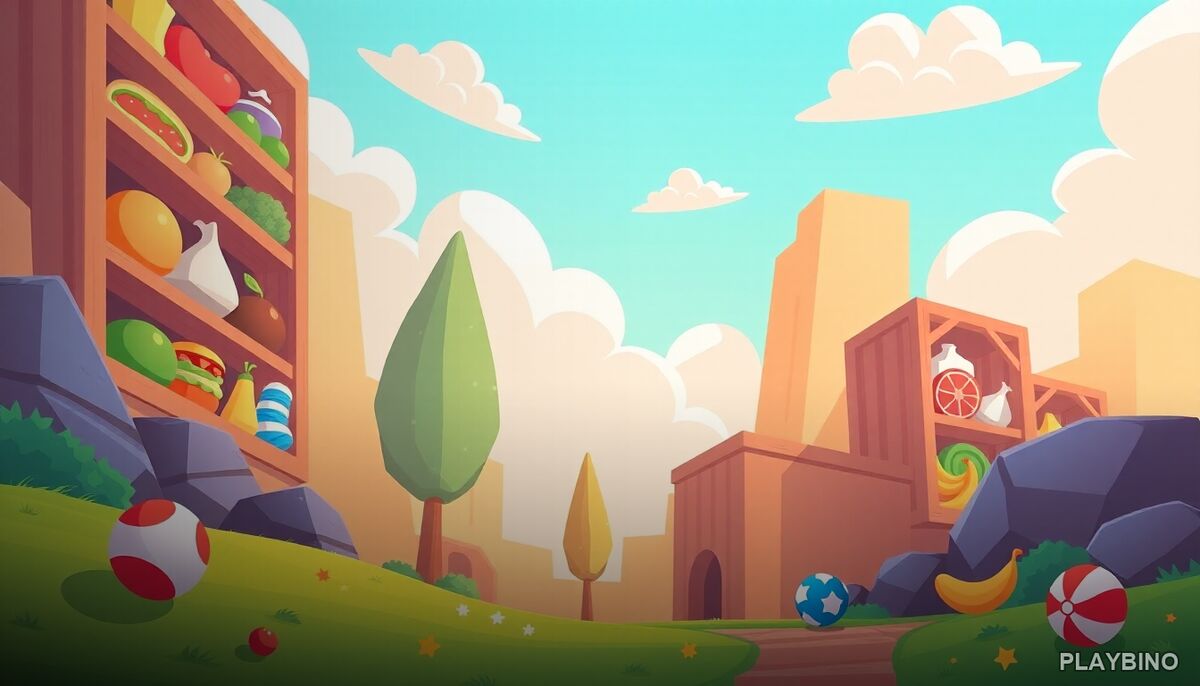
The 3D food card visuals are bright and clean. Each card has enough detail to distinguish ingredients without cluttering the screen. The backgrounds stay neutral, which keeps focus on the cards themselves rather than decorative elements. This visual clarity matters in a puzzle where fast identification is part of the challenge. The overall feel sits somewhere between a casual brain game and a focused logic exercise — accessible enough to pick up quickly, but engaging enough to hold attention across multiple sessions.
Strategy That Actually Helps
- Scan all visible cards before placing any — rushing the first move often creates problems three moves later.
- Prioritize completing one plate fully before spreading cards across several plates at once.
- Use an empty plate as a temporary holding spot when a card doesn't fit any current group.
- When categories overlap visually, rely on color coding rather than card art alone.
- In later levels, work backwards from the fewest-card categories to clear space faster.
Similar Puzzle Experience to Try
If the spatial logic in Food Card Sort appeals to you, Color Rope 3D offers another visual puzzle built around organizing elements by color — a different mechanic but a comparable mental rhythm. Both games reward patience and forward planning over quick reflexes. PlayBino hosts both titles alongside a wide range of browser-based puzzle and logic games, so there's no shortage of similar challenges to explore after finishing a sorting session.
"