Fruit Bounce: Match-3 Puzzle Game with Chain Combos
What Kind of Game Is This?
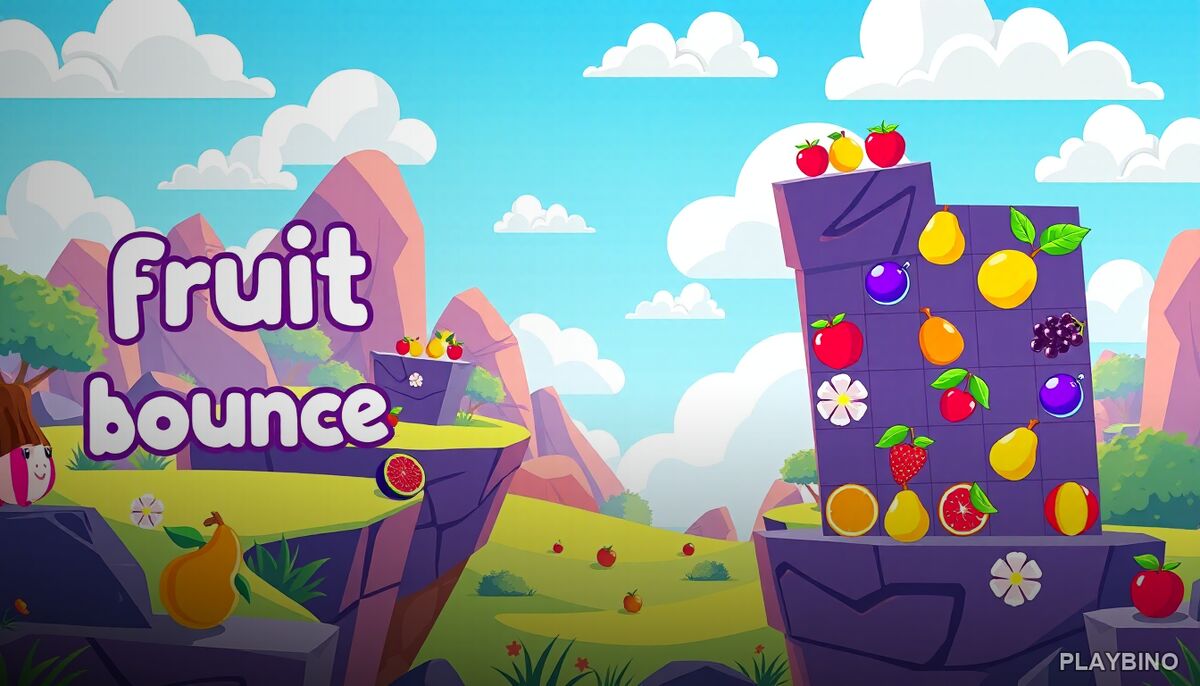
Match-3 puzzles have been a staple of browser gaming for years, and Fruit Bounce brings a colorful, fruit-themed spin to the format. The board is packed with different fruits, and your job is to swap adjacent pieces to line up three or more of the same type. When a match forms, those fruits clear from the board, points accumulate, and new pieces drop in to fill the gaps. The full browser version keeps this loop moving at a satisfying pace, rewarding both quick thinking and deliberate planning.
Board Mechanics and How Combos Form
The core action is simple: tap or click a fruit, then swap it with a neighbor to complete a row or column of three or more. The real interest comes from what happens next. When cleared fruits leave empty spaces, the pieces above fall down, and those falling pieces can accidentally — or intentionally — create new matches. These chain reactions are the engine behind high scores.
Setting Up Chains
A single swap can trigger two or three consecutive matches if the board is set up correctly. Spotting these setups takes practice. Look for clusters where one move shifts a fruit into a position that creates two matches at once, or where a falling column will naturally complete a line below.
Longer Matches
Matching four or five fruits in a row instead of three yields more points and sometimes activates special effects on the board. When you see a longer line forming, prioritize it over shorter matches nearby. The scoring difference adds up quickly across multiple levels.
Stage Objectives and Progression
Each level in Fruit Bounce comes with a specific objective rather than a simple score target. Some stages ask you to clear a certain number of a particular fruit type. Others may require you to reach a point threshold within a limited number of moves. Reading the objective before you start making swaps helps you prioritize which fruits to target and which areas of the board matter most.
As you move through levels, the board layouts become more complex and the objectives harder to satisfy in fewer moves. Early stages give you room to experiment, but later ones demand that almost every swap counts.
Strategy That Actually Helps
- Work from the bottom of the board upward. Matches near the base cause more pieces to fall, increasing chain reaction potential.
- Avoid making isolated matches at the top when the bottom half of the board has better opportunities.
- Scan the full board before committing to a move, especially in levels with limited swaps.
- When an objective targets a specific fruit, track where those pieces tend to cluster and direct your swaps toward those zones.
- If a long match of four or five is one swap away, set it up before clearing shorter matches nearby.
Who Plays Well With This Format
The 1-player puzzle structure suits anyone who enjoys a calm but mentally engaging session. There is no time pressure in most levels, which means the challenge comes from move efficiency rather than reaction speed. Players who like optimizing a limited number of moves and chasing higher scores will find the combo system rewarding. The fruit theme keeps the visuals light and easy to read, so the board never feels cluttered even when it fills up.
If match-3 mechanics appeal to you, the candy-themed Sweety Mania puzzle experience covers similar ground with its own twist on swapping and clearing — worth a look if you want variety in the same genre.
Scoring and Replay Value
Points accumulate from every match, with bonuses for longer lines and chain reactions. Replaying earlier levels to beat a previous score is a natural part of the loop, since the board layouts are fixed and knowing them in advance lets you plan better routes through the pieces. PlayBino hosts the game directly in the browser with no download required, so returning for another run takes seconds. The combination of stage objectives and combo scoring gives each session a clear target while leaving room to improve on past performances.