Fruit Catch: Arcade Basket Game Guide and Strategy Tips
What Fruit Catch Is About
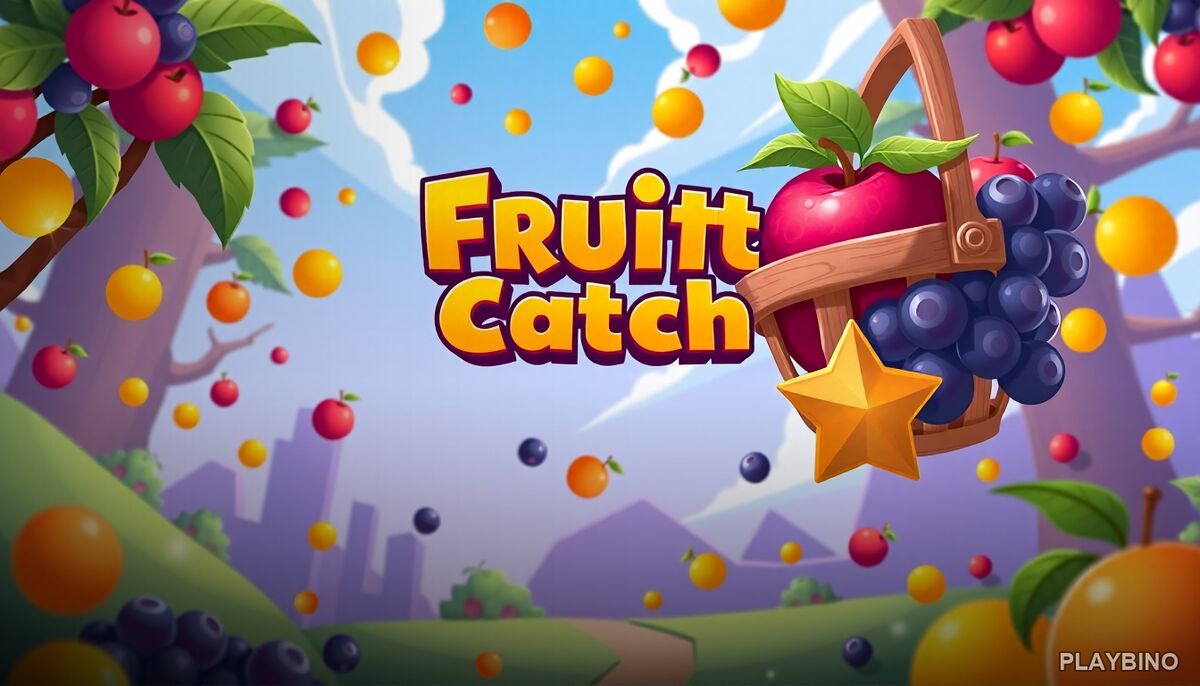
Fruit Catch drops colorful produce from the top of the screen and asks one simple thing: don't let it hit the ground. Apples, oranges, and grapes fall in waves while you slide a basket left and right to intercept them. Each successful catch builds your score, and each miss edges you closer to game over. Play it directly in your browser and the concept clicks immediately — but staying ahead of the pace is another matter entirely.
How the Basket Controls Feel
Movement is the core mechanic. You control the basket horizontally, and the input needs to be responsive enough to track multiple falling items at once. In the early rounds, fruits fall one or two at a time and the spacing gives you room to breathe. That changes quickly.
Timing and Anticipation
As the speed increases, reacting to where a fruit currently is becomes less effective than reading where the next cluster will land. Watching the upper portion of the screen and pre-positioning the basket saves more catches than chasing items at the last second. This shift from reaction to anticipation is where the skill ceiling starts to show.
Handling Multiple Fruits
When several pieces fall simultaneously, you have to make a choice. Prioritizing the item closest to the ground or the one that requires the least lateral movement keeps your combo alive longer. Trying to catch everything at once often results in catching nothing. Accepting that some misses are unavoidable — and choosing which ones — is part of playing well.
Score Progression and Difficulty Curve
The difficulty ramps steadily rather than spiking unpredictably. Early play feels relaxed and almost meditative, which makes the arcade genre accessible to a wide range of players. As rounds progress, the drop rate increases and fruits begin arriving in tighter groups. The game doesn't introduce new fruit types with different point values in a complex way — the challenge comes purely from volume and speed, which keeps the focus on movement and positioning rather than memorization.
Why the Simple Format Works
Single-player arcade games like this one succeed when the feedback loop is tight. You catch something, the score ticks up, you feel the momentum. Miss a few in a row and the pressure mounts. Fruit Catch keeps that loop clean. There are no menus to navigate mid-run, no currency systems interrupting the flow, and no tutorial screens breaking the pace after the first session. You play, you improve, you try again.
The bright visual style also does real work here. Colorful produce against a clear background makes it easy to track multiple items without visual clutter. In a fast-paced 1-player arcade game, readability matters more than it might seem.
Who Plays This Kind of Game
- Players who enjoy short arcade sessions between other activities
- Anyone looking for a low-barrier reflex challenge with a clear score goal
- Younger players drawn in by the colorful fruit visuals
- Casual gamers who want something that doesn't require a tutorial
The game works well in short bursts. A single run takes a few minutes, and the restart is instant, which encourages one more attempt almost automatically.
A Similar Challenge Worth Trying
If the basket-catching format appeals to you, FruitBasket offers a comparable arcade experience with its own take on the catching mechanic. It's worth exploring alongside Fruit Catch to see how small design differences change the feel of an otherwise familiar concept. Both games are available on PlayBino and run entirely in the browser with no downloads required.