Garden Defense Zombie Siege: Tower Defense Shooting Strategy
What You're Up Against
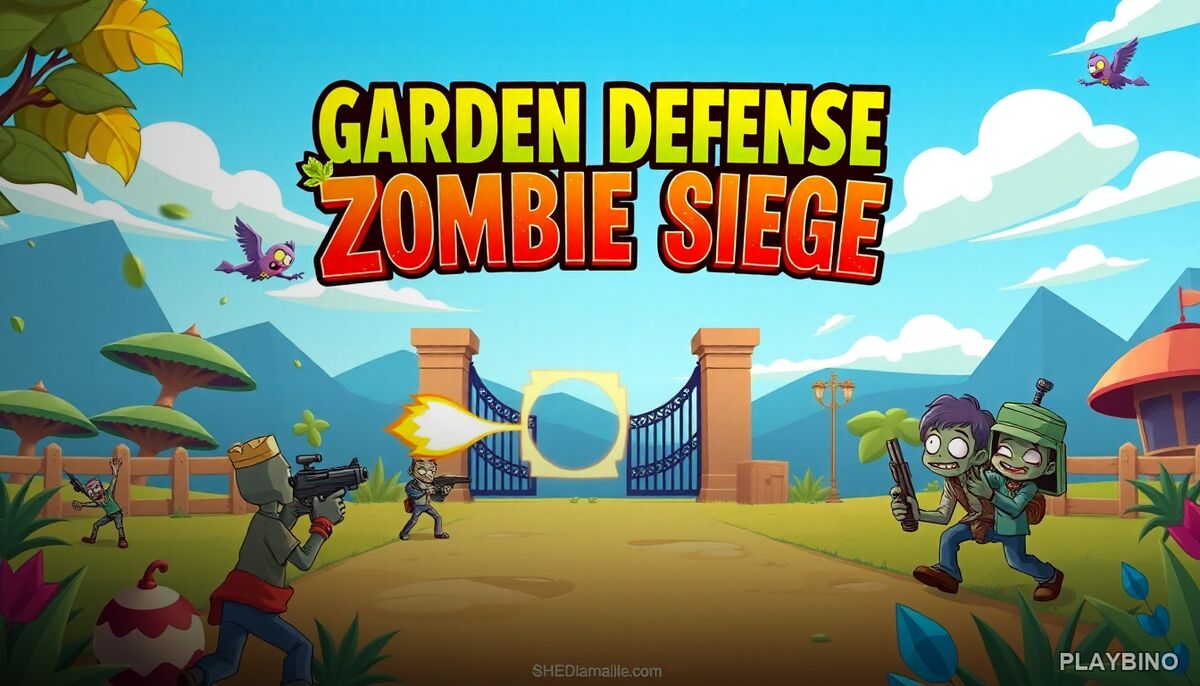
Cartoon zombies rarely feel threatening until they're three steps from your garden and your ammo is running low. Garden Defense Zombie Siege builds tension around that exact situation — limited shots, two entry gates, and a health bar that punishes even small lapses in concentration. The art style is playful, but the pressure underneath it is real.
You control a cannon with a movable crosshair, and from the first wave onward the game asks you to make fast decisions about where to aim. Zombies don't sprint, but they shuffle in numbers, and the moment you focus too long on one gate, the other side gains ground.
How the Cannon Mechanics Work
The core loop is straightforward: move your crosshair, fire, and cycle between targets before any zombie crosses the threshold. What makes it more demanding than it first appears is the ammunition limit. Every shot has to count, which means panic-firing is a losing strategy from the start.
Target Priority
Nearest zombies drop first — that's the fundamental rule. A zombie halfway across the screen is less dangerous than one already at the garden edge. Learning to scan both gates simultaneously and rank threats by distance rather than by which gate feels busier is the skill the game is actually training.
Managing Two Gates
The dual-gate design is the main source of pressure. Waves that split evenly between both sides force constant crosshair movement. Waves that flood one gate heavily are a trap — they draw your attention while a smaller group quietly advances on the other side. Recognizing that pattern early saves a lot of hearts.
Health and the Cost of Mistakes
Three hearts sounds forgiving. In practice, you can only absorb two mistakes before the run ends. That narrow margin changes how the game feels. A single zombie reaching the garden isn't a minor inconvenience — it's a significant fraction of your total health gone. This pushes the game away from casual shooting territory and closer to something that rewards deliberate, methodical play.
Later waves increase zombie count without giving you more ammunition or additional hearts. The difficulty curve is steady rather than sudden, which means players who develop good habits early will handle the escalation better than those who rely on reflexes alone.
Developing a Rhythm
The players who do well in this kind of zombie tower defense game find a repeatable pattern: scan, prioritize, fire, reposition, repeat. Rushing disrupts that rhythm. So does hesitation. The sweet spot is a steady pace where your crosshair is always moving toward the next confirmed threat rather than chasing the most recent one.
- Always clear the closest zombie before engaging farther targets
- Watch both gates between shots, not just the active one
- Avoid rapid unconfirmed shots — wasted ammo creates gaps in coverage
- When waves split evenly, alternate gates in short bursts rather than committing fully to one side
Who This Game Suits
If single-player action games with a tower defense structure appeal to you — where positioning and shot selection matter more than raw speed — this one delivers a satisfying loop. The whimsical zombie art keeps the tone light, but the underlying shooting mechanics have enough depth to stay interesting across multiple wave progressions.
Players who enjoy defending a fixed position against escalating odds, and who like the constraint of limited resources forcing smarter decisions, will find a lot to work with here. It shares DNA with browser-based defense shooters that reward patience over aggression.
A Similar Defense Challenge
If holding a position against waves of attackers is the kind of gameplay you keep coming back to, City Defender offers a comparable wave-based defense experience worth exploring on PlayBino. The core tension of managing threats before they reach your base translates well between the two games, and the strategic instincts you build in one carry directly into the other.