Ghost Runaway: Endless Runner Tips, Mechanics, and What to Expect
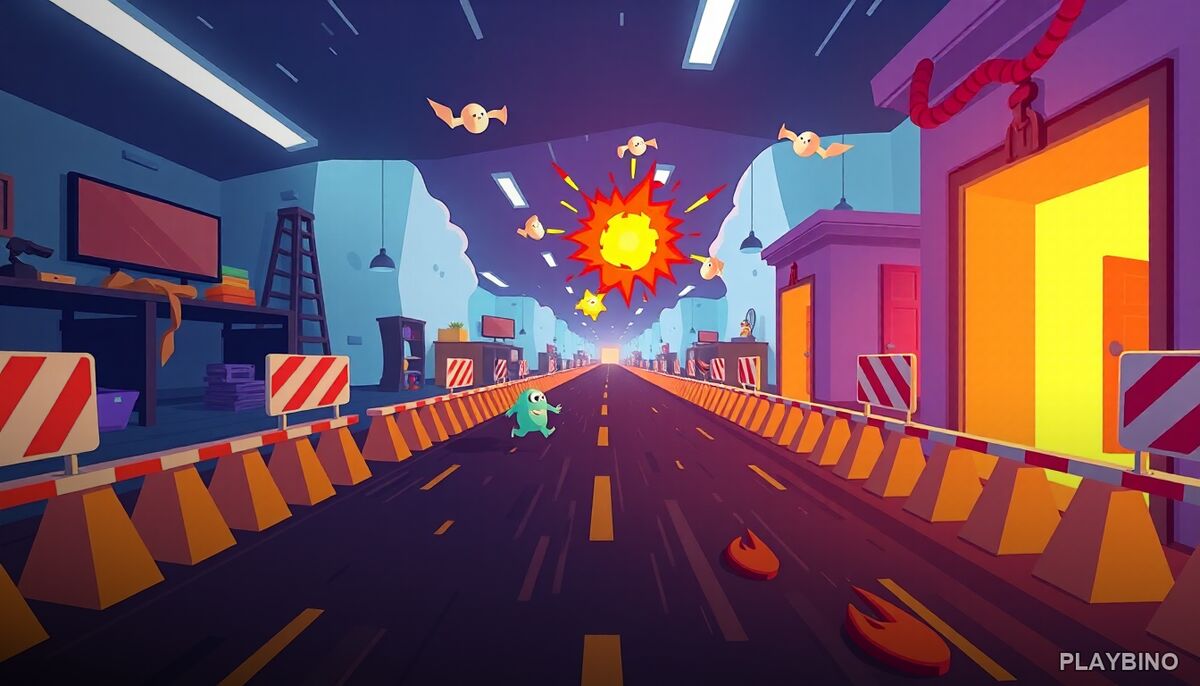
The Chase That Never Stops
Most endless runners give you a moment to breathe. Ghost Runaway does not. From the first second, a blazing fireball is already closing in from behind, and the only option is to keep moving forward. The haunted pathway ahead is packed with obstacles that demand constant attention, and the pressure never lets up. Try the full run and you will immediately feel how different the pacing is compared to slower arcade games.
How the Movement Works
The core loop is straightforward: your phantom moves forward automatically, and your job is to steer, dodge, and react to whatever the track throws at you. The controls are responsive enough that mistakes feel like your own rather than the game's fault, which is exactly what a skill-based runner needs. Timing is everything here. A fraction of a second too slow on a dodge and the fireball catches up. A mistimed jump into an obstacle and the run ends just as abruptly.
Obstacles and Hazards
The haunted pathway introduces obstacles at a pace that escalates as your run extends. Early sections give you enough room to find a rhythm, but the gauntlet tightens quickly. Gaps, barriers, and narrow corridors force you to read the layout ahead rather than just reacting at the last moment. Learning to anticipate rather than purely react is what separates short runs from long ones.
The Fireball Pressure
The pursuing fireball is not just a visual threat. It actively punishes hesitation. Any moment you slow down — whether from a near-miss with an obstacle or a brief pause in movement — the flames close the gap. This mechanic creates a specific kind of tension that is hard to replicate in games without a chasing element. You are never playing defensively