Giddy Blocks: Memory Matching at Speed
What Kind of Game Is This?
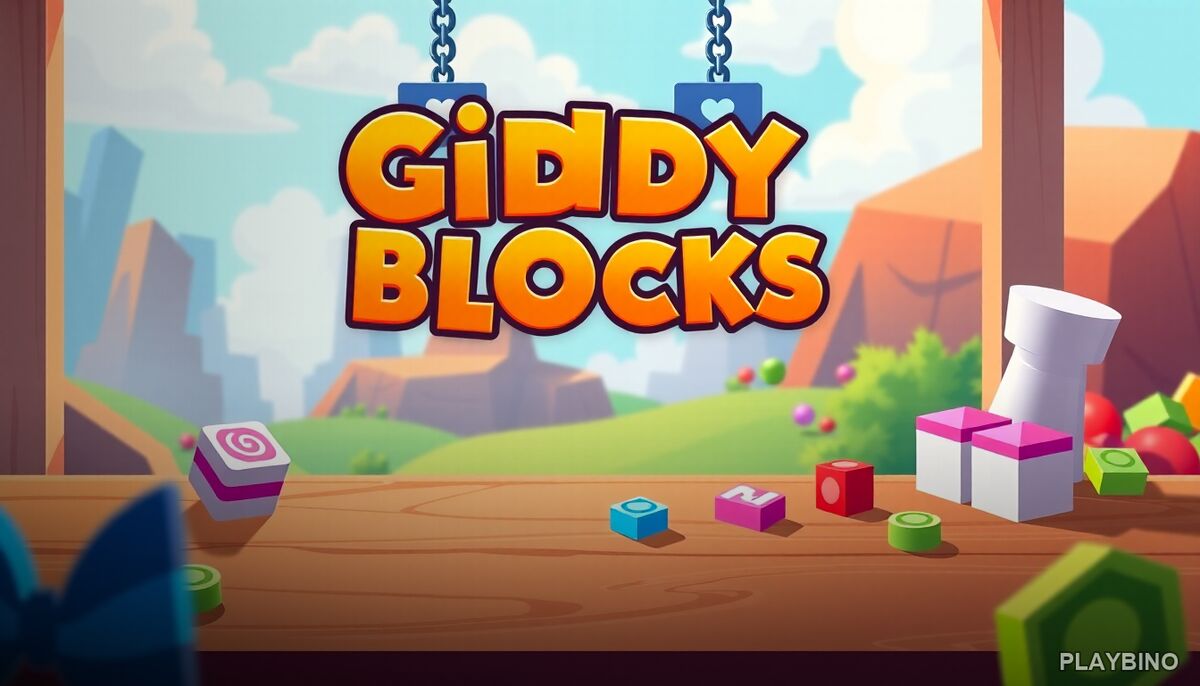
Giddy Blocks sits at a specific crossroads that not many arcade puzzles occupy: it demands both visual memory and quick reflexes at the same time. You are not just matching colors or shapes at your own pace. The game flashes patterns across a playfield, and you have to hold those positions in your head while tapping blocks to pair them up before the pace overtakes you. Play it directly in your browser and the combination of cheerful visuals with escalating pressure becomes clear almost immediately.
How the Matching Mechanic Works
Each round presents a set of colored blocks arranged across the screen. Patterns appear briefly, giving you a window to register where matching pairs sit. Then you tap to connect them. The core loop sounds simple, but the challenge is that your brain has to do two things simultaneously: recall what you just saw and act on it fast enough to keep up with the accelerating rhythm.
Timing and Accuracy
The game rewards players who find a middle ground between speed and precision. Rushing through matches without properly memorizing layouts leads to mistakes that cost time. Moving too cautiously means the pace catches up. That tension between speed and accuracy is where most of the skill development happens.
Pattern Complexity Over Time
Early rounds use straightforward arrangements with a small number of blocks. As you progress, the layouts grow more intricate. More blocks appear, positions shift between rounds, and the visual noise increases. Keeping a mental map of the playfield becomes the primary challenge rather than the tapping itself.
What Makes the Arcade Feel Work
The arcade side of Giddy Blocks comes through in how the game accelerates. There is no static difficulty setting you choose at the start. The game simply keeps raising the stakes as you go further. New block arrangements appear without warning, and the cheerful color palette keeps the experience feeling light even when the mental load is heavy. That contrast between the playful presentation and the genuine cognitive demand is part of what makes it engaging rather than stressful.
Strategy Tips Worth Knowing
- Scan the full playfield before making your first tap each round rather than acting on the first pair you spot.
- Group blocks mentally by color zones to reduce how much information you need to track at once.
- When patterns flash, focus on the edges of the screen first since central positions tend to be easier to recall instinctively.
- Accept that early mistakes in a round are recoverable. Panicking and tapping randomly is harder to recover from than a single wrong match.
- As block counts increase, prioritize clearing the pairs you are most certain about before attempting uncertain ones.
Who This Game Suits
Giddy Blocks works well for anyone who enjoys short-session puzzle games that build in intensity without requiring a long setup. The match-3 structure keeps each round contained, so a single run can be as brief as a few minutes. Players who like memory-based challenges alongside arcade-style scoring will find the combination satisfying. It is also a reasonable mental warm-up game given that it actively exercises pattern recall under time pressure.
Match Hit takes a different approach to the matching concept — that game is worth a look if you want to compare how two browser titles handle similar mechanics with distinct execution.
Scoring and Replay Value
Each run produces a score tied to how accurately and quickly you matched blocks across rounds. Improving that score means getting better at the memory side of the game, not just the tapping. PlayBino hosts the game with no install required, so returning for another attempt is frictionless. The mounting difficulty ensures that a high score from one session always feels like it can be beaten, which is the main driver keeping players coming back across multiple sessions.
"